What are meals in food?
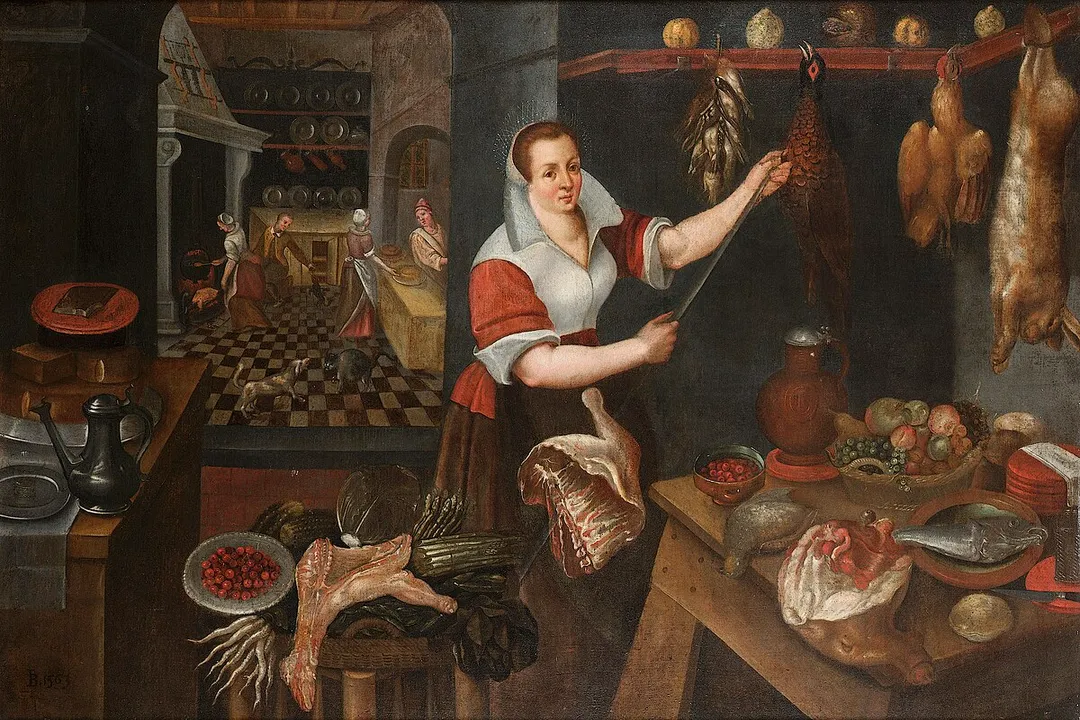
The idea of a meal centers on two interconnected concepts: an occasion or a specific time set aside for eating, and the food consumed during that interval. Essentially, a meal is an act or the time dedicated to consuming a portion of food intended to satisfy one's appetite. In common parlance, we usually recognize meals by their customary placement in the day, such as breakfast, lunch, or dinner.
# Event Versus Portion
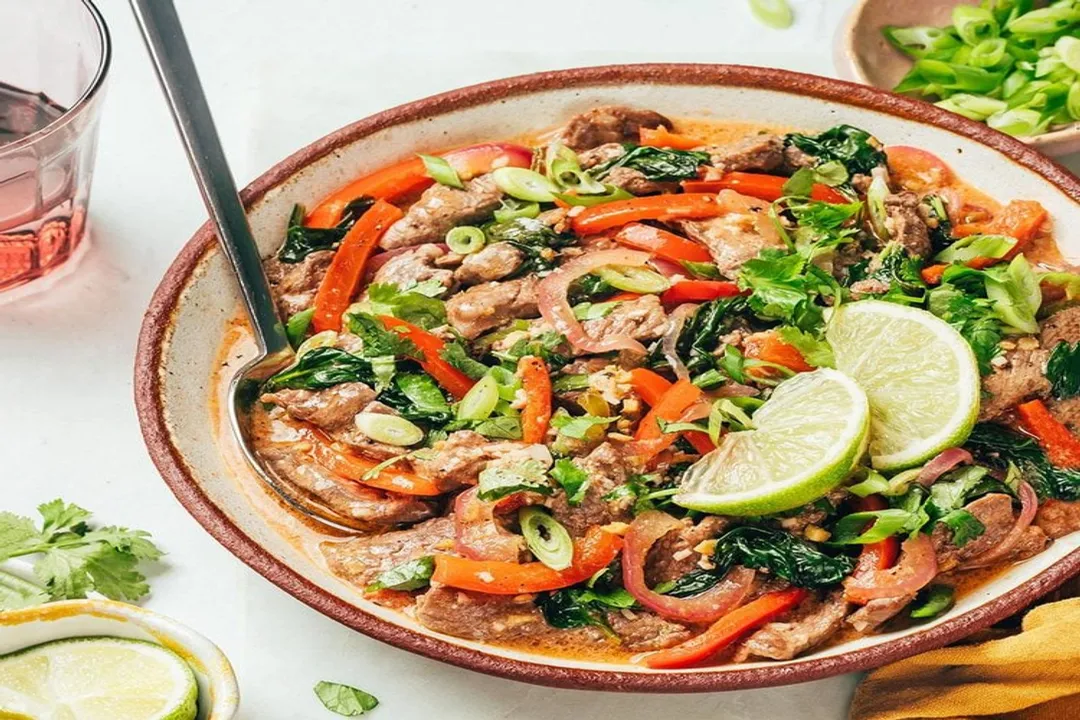
The definition of "meal" carries a notable ambiguity, as it can refer to the event of eating or the aggregate of food eaten. When someone states, "We shared a meal," they are emphasizing the communal event or the collection of food prepared for multiple people. Conversely, if a person says, "I like to prepare my meals in advance," the reference leans toward the individual, pre-portioned quantity of food intended for a single sitting.
It is helpful to differentiate this entire structure from a dish. A dish is generally defined as a single element of a meal, often representing one prepared food item following a specific recipe, such as beef stew. A single meal, however, is often comprised of several dishes—perhaps a meat dish, a rice dish, a vegetable dish, and dessert—all served together on that occasion. The word dish itself can even refer to the physical utensil, like a plate or a bowl, used for holding or serving.
A key differentiator between a meal and a snack is perceived size and substance; meals are generally understood to be more varied, larger, and more filling than a quick snack.
# Naming Time

The English names assigned to specific meals show significant cultural and temporal variation. Three main eating occasions traditionally occur in the morning, early afternoon, and evening across many civilizations.
Breakfast is invariably the first meal of the day, traditionally eaten early to break the fast from the previous night. Its contents are globally diverse but often involve carbohydrates like grains or cereals, alongside proteins such as eggs or meat, and various beverages. In Western contexts, this can range from simple coffee and pastries (the lighter Continental breakfast) to the hearty full breakfast, which famously includes bacon, sausages, and eggs, especially popular in the UK and Ireland. The concept of an instant breakfast—a powdered or liquid product—targets consumers needing speed, like busy working adults.
Lunch is generally associated with the midday timeframe and is an abbreviation of luncheon, which originally meant a small snack eaten at any time. In some parts of the United Kingdom, the midday meal might be called tea, with the later evening meal called dinner. Lunch takes on utilitarian forms, such as the packed lunch carried from home to work or school. A modern, highly convenient variation found in many convenience stores is the meal deal, often pairing a sandwich, chips, and a bottled drink; critics point out that these deals contribute to single-use plastic waste and potentially encourage overconsumption.
Dinner is typically reserved for the most significant and substantial meal of the day, which can occur at noon or in the evening, depending on local custom. Historically, the main meal was eaten around noon, a tradition that persists in some contexts, like a large Sunday dinner served after morning church services. When the main meal shifts to the evening, the midday meal is simply called lunch, and the evening meal is dinner. Formal dinners can be structured as a full-course dinner, following a sequence of appetizers, a first course (like pasta), a second course (meat or fish), and dessert.
When deciding what to call their own eating events, people often rely on three criteria: the time of day, the sequence of eating, or the type of food consumed. For some, the first meal taken, no matter the hour, is breakfast or brunch if it follows noon. For others, the categorization is purely chronological: if a person skips noon consumption and eats a large meal at 7 p.m., that 7 p.m. eating is dinner, and the noon meal was simply skipped lunch.
# Cultural Context and Meal Structure
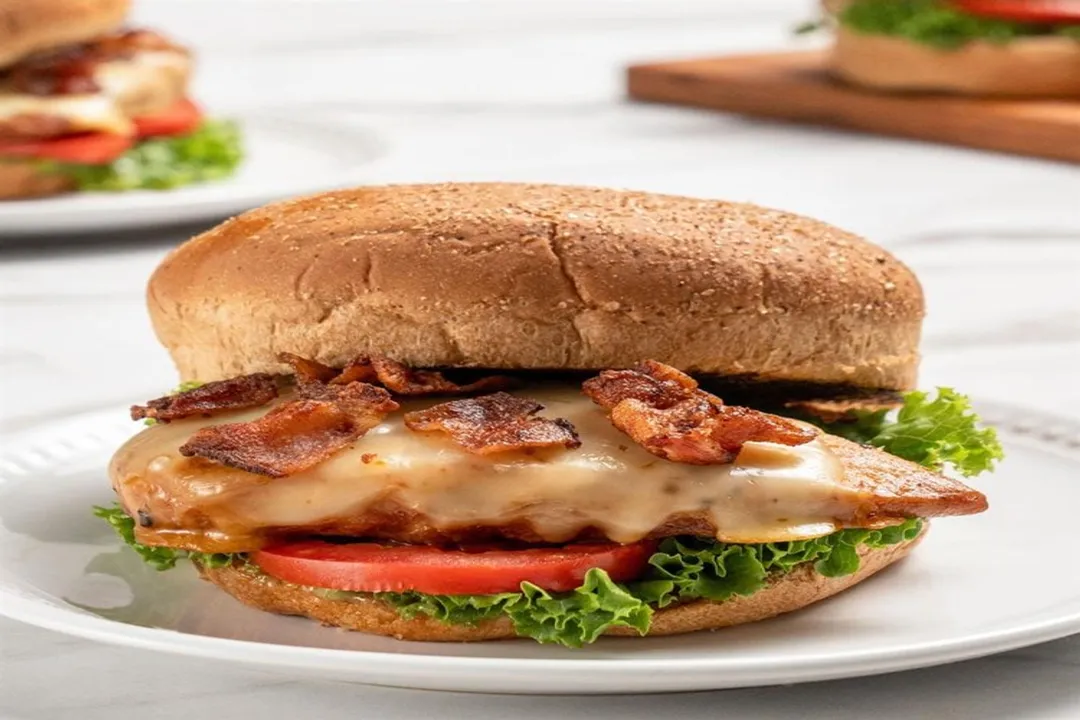
The history of meals shows that their timing is deeply connected to economic activity. Before the late 1700s and the 1800s, when many peasants worked near home, their main meal, dinner, occurred around noon. As industrialization pulled workers away from home for longer periods, the midday eating became a light, transportable affair—lunch—and the main, larger meal was pushed to the evening. This transition illustrates that the structure of our day's eating is a direct, evolving response to how society organizes labor and domestic life.
Historically, meals were generally communal activities where people gathered to share food and conversation. While this is still the ideal for many, an increasing number of adults in developed nations eat the majority of their meals alone. Even with this trend toward solitary eating, many people still frame the concept of a meal as a commensal dining experience, suggesting that the cultural expectation of companionship remains tied to the definition, even when unfulfilled in practice.
If you find yourself frequently eating alone, you might consider how to mentally elevate your solitary intake from mere fuel consumption to an actual meal. Try structuring your solo eating the way you would a communal one: by planning multiple dishes, taking time away from screens, and using proper dishware, rather than eating straight from a container over the sink. This conscious effort to replicate the event quality of a meal can transform the experience, even without company.
# The Act of Creation
Whether a meal is a quick assembly or an elaborate feast, it requires preparation. Meal preparation (or "meal prep") involves planning and getting food ready, which usually incorporates cooking.
Cooking itself is defined as the art, craft, and technology of preparing food for consumption using heat. This ranges from simple grilling to baking in an oven, heavily influenced by local culture and available economic resources. It is important to note that not all food preparation involves heat; processes like the creation of ceviche use the acid in citrus juices to chemically "cook" the fish.
The end product of this preparation, the meal, serves as the anchor for our days. From a quick, one-skillet dinner like a Pork and Potatoes dish to a celebration like a full-course dinner, the meal anchors time, satisfies a fundamental need, and reflects cultural norms. Even something as simple as a meal deal provides a complete, albeit commercially structured, package for the busy worker. The term that applies to the food eaten at any of these structured times remains meal, a word rooted in Old English that referred to an "appointed time".

# Distinguishing Meal Components
To fully grasp what constitutes a meal, it helps to contrast it with related vocabulary. While a meal refers to the food eaten at one sitting, dishes are the individual components that make it up. Think of a menu at a restaurant, which lists many dishes—the ingredients of which can then be combined to form a cohesive meal. For instance, a "Spicy Beef Stir Fry" is a dish, but combining it with rice and a side salad creates a satisfying dinner meal.
For language learners, the distinction between meal and dish is a common point of confusion, as one represents the whole occasion or collected food, and the other represents a single recipe or prepared item. Mastering this vocabulary allows for clearer communication about eating habits and culinary intentions.
Ultimately, a meal is a recognized structure—whether dictated by the clock, by social custom, or by the sheer volume of food prepared—that transforms simple food into a moment of satisfaction, nourishment, or celebration. The specifics of what that means shift constantly, but the need for the structure remains constant across cultures.
Related Questions
#Citations
Meal - Wikipedia
meaning of "meal" : r/EnglishLearning - Reddit
MEAL Definition & Meaning - Merriam-Webster
92 Dinner Ideas You Can Make in a Flash | Taste of Home
Meal or dish, what's the difference? | Learn English - Preply
Food Vocabulary: Types Of Meal #meal #learnenglish ... - YouTube
How do you define a meal (i.e. "breakfast" "lunch" and "dinner")