What is the traditional diet in Greenland?
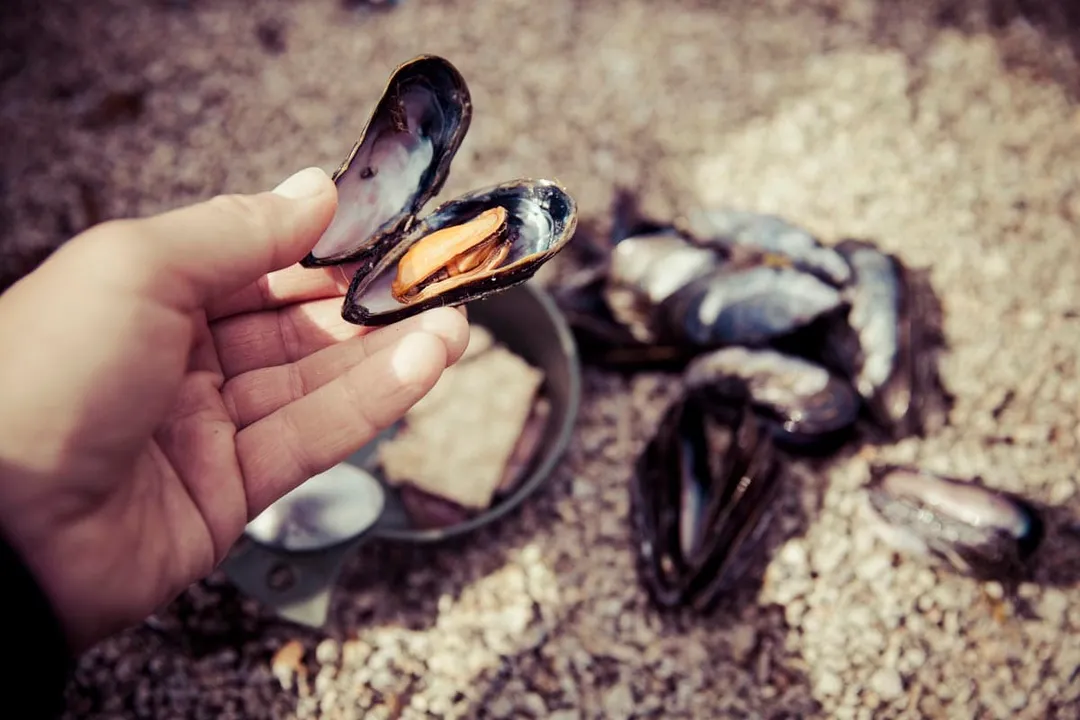
The diet of Greenland has, for centuries, been defined by the sheer necessity of survival in one of the world’s harshest climates. It is a cuisine built on intense caloric density, derived almost entirely from what the ice, sea, and sparse tundra could offer. [1][5] This traditional way of eating is profoundly different from most global diets, relying heavily on animal fats and proteins obtained through hunting and fishing. [2][5] While modern life has introduced groceries flown in from Denmark and beyond, the core traditions remain a significant part of cultural identity and special occasions. [3]
# Marine Reliance
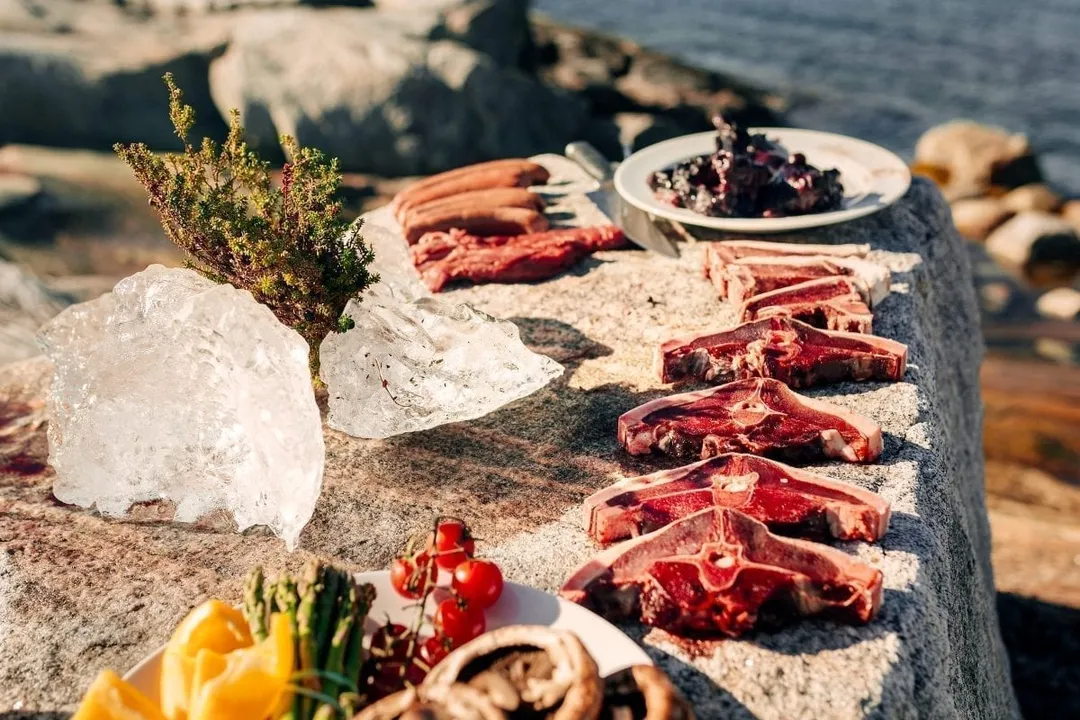
The cornerstone of the historical Greenlandic diet centers on the ocean's bounty, particularly marine mammals. [2] Seals, whales, and walruses provided the bulk of the necessary nutrition. [2][6] These animals offered the critical fats needed to insulate the body against extreme cold—a fact that highlights a key difference from contemporary dietary guidelines, which often advise minimizing fat intake. [5] In the Arctic context, this high-fat profile was not a liability but a requirement for energy and heat regulation. [5]
The preparation and consumption of whale blubber and skin, known as Mattak, is perhaps the most famous element of this tradition. [1][6] Mattak is typically eaten raw, sometimes lightly frozen or slightly aged, offering a unique texture that some describe as chewy, like gummy candy, along with the rich taste of the underlying fat layer. [7] It is a highly valued food source, often served during community gatherings. [1] Similarly, various types of fish, such as capelin (Ammassat), played a vital role in the subsistence lifestyle. [1]
It is worth noting that the nutritional composition of this historical diet—high in animal fats, marine oils, and organ meats—was historically associated with good health outcomes for the people consuming it, demonstrating an optimal adaptation to their environment before significant dietary shifts occurred. [5]
# Land Game
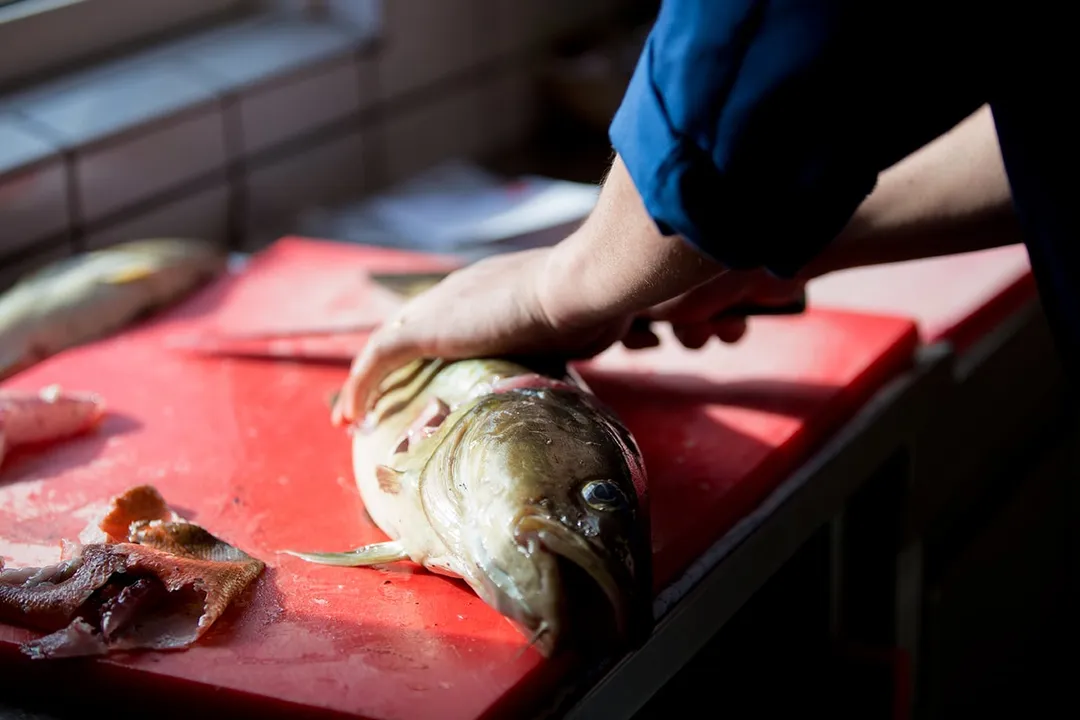
While the sea provided the majority of the calories, terrestrial animals were essential supplementary sources of sustenance. [2] Reindeer and musk ox were significant game animals that provided necessary protein and fat when available. [4][6] The preparation methods for these land animals often involved roasting or drying, though they were also incorporated into stews and soups. [8]
Birds also contributed to the overall caloric intake, especially smaller species like ptarmigan, which could be caught or hunted. [8] However, the consumption of birds in traditional Greenlandic cuisine extends far beyond simple roasting, leading to one of the most distinct and challenging culinary traditions.
# Preservation Methods
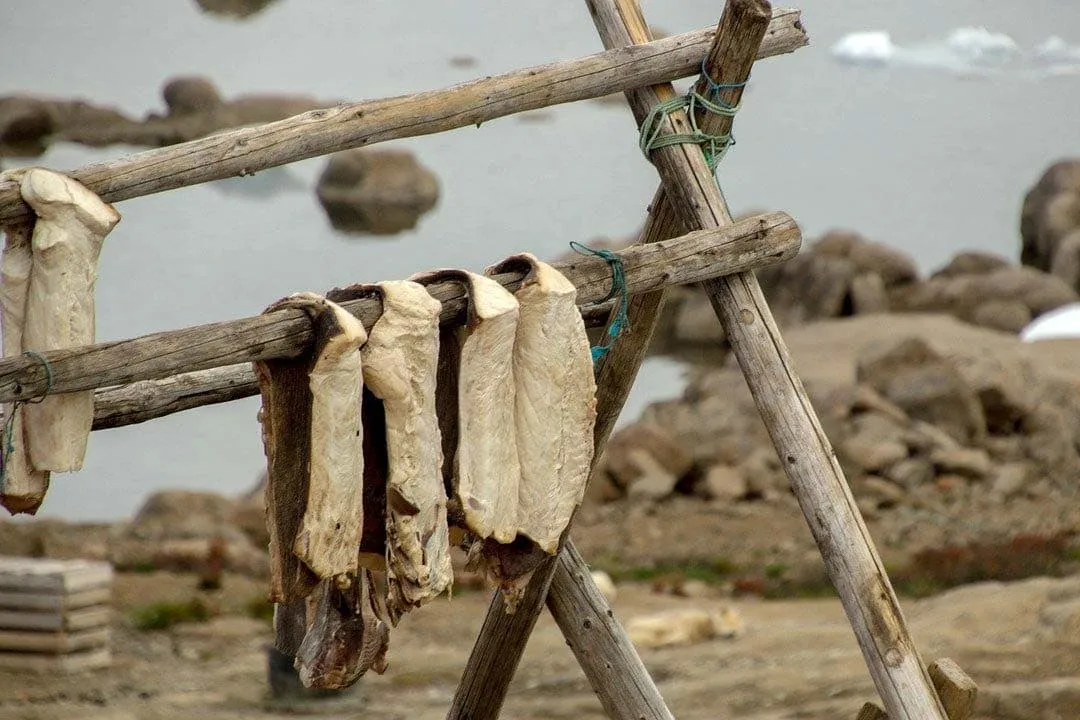
Given the long, dark winters and the necessity of preserving large hauls of meat from successful hunts, unique preservation techniques developed that relied on the cold, dry environment. [5] Drying and smoking meat were common for many species, extending their shelf life. [5]
The most notorious preservation method involves fermentation, resulting in dishes that require a certain level of acquired taste, often associated with high-status meals or specific festivals. [2]
# Fermented Delicacies
One prime example is Kiviak, which exemplifies the dedication required to utilize every available resource. This preparation involves placing dozens of small, raw auk birds inside the gutted carcass of a seal. [4] The seal skin is then sewn shut, weighted down, and left to ferment in the permafrost for several months. [2][4] The birds essentially digest in the seal fat and juices, creating a potent flavor profile. [4] This differs slightly from another preparation, Suaat, though both utilize fermentation principles. [2] These methods transform proteins and fats into highly concentrated, shelf-stable forms of energy. [5]
# Iconic Meals
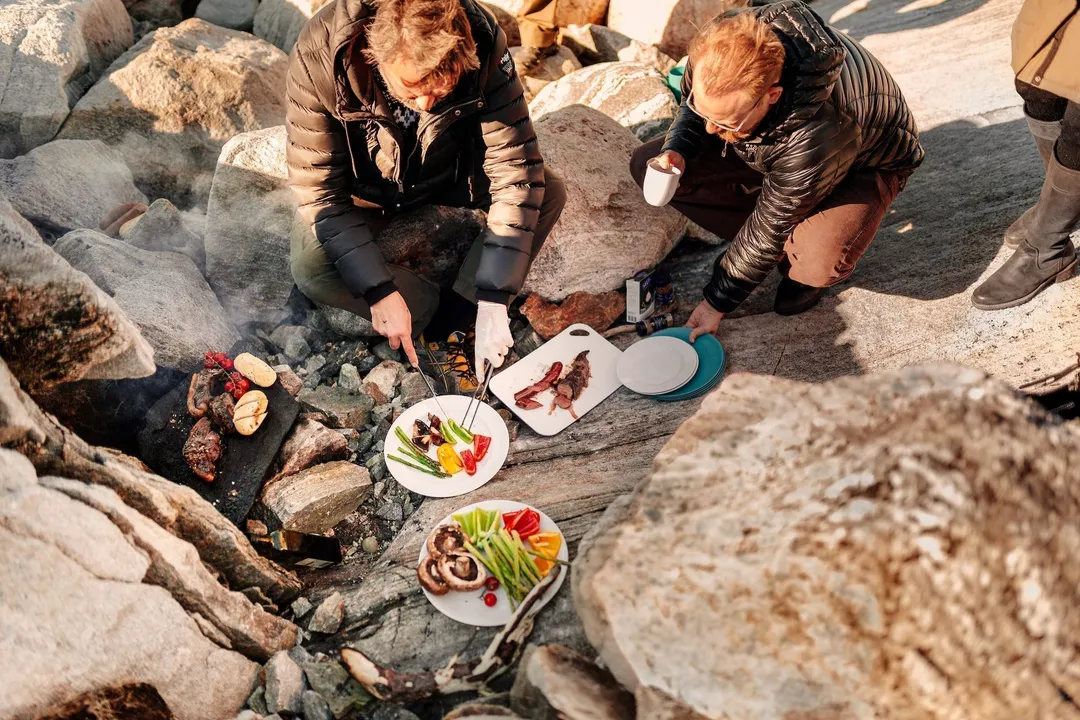
Beyond the individual ingredients, several composite dishes define the traditional Greenlandic table.
# Rich Broths
Suaasat is perhaps the most universally recognizable traditional meal, often described as a hearty soup or stew. [1] It is typically made from seal, whale, or reindeer meat, boiled with onions and seasoned with salt and pepper. [1] The broth is then thickened, often with rice or barley, providing both flavor and vital carbohydrates that are scarce in the pure diet of meat and fat. [1] This dish offers a more accessible entry point into traditional flavors compared to fermented items, as it is less intense and often features ingredients familiar to outsiders. [1]
# Buffet Offerings
When one encounters a traditional Greenlandic buffet, the sheer variety of game meat on display is striking. [8] A spread might include cuts of seal, reindeer, and musk ox, often prepared in different ways—boiled, roasted, or lightly cured. [4][8] The presentation often keeps the rich game flavors prominent, contrasting starkly with the blander, imported staples that might be served alongside them, like boiled potatoes or white bread. [8]
# Dietary Transition
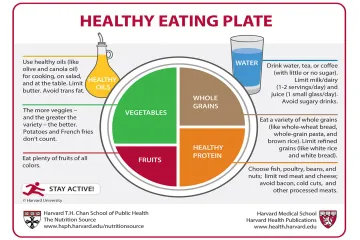
The arrival of easier access to imported goods, primarily through trade routes connected to Denmark, has dramatically altered daily eating habits in recent decades. [2][3] Today, a significant portion of the Greenlandic diet consists of frozen, tinned, and imported groceries, including vegetables, dairy, and processed foods. [2][3] In larger towns and settlements, these items are readily available, though often expensive due to transportation costs. [3]
This shift presents a fascinating cultural and logistical paradox. While traditional hunting remains important, particularly for cultural significance and high-value celebratory meals, the day-to-day convenience of imported food is undeniable, especially for busy families. [3] Furthermore, for those living in very remote areas, while traditional food sources are closer, the logistical challenges of transporting large hunted game back to the home or the cost of flying in replacement staples create a constant, localized calculation about what is practical to eat. [3] Historically, the shift away from the high-fat, nutrient-dense traditional diet toward one higher in refined carbohydrates has been linked to increasing rates of diabetes and heart disease within the population, illustrating the deep connection between traditional sustenance and long-term health. [2]
# Cultural Value
The act of hunting, preparing, and sharing traditional foods transcends mere sustenance; it is interwoven with Greenlandic identity and social structure. [5] The ability to provide traditional meats is often tied to status and connection to the land and sea. [5] Feasts featuring Mattak or Kiviak are not just meals; they are statements of cultural continuity and community bonding. [1][4] When an international visitor is offered a taste of Kiviak, they are being given a direct link to centuries of Arctic adaptation. [4] This deeply rooted connection ensures that even as the availability of Western staples increases, the preparation and consumption of these traditional foods will persist as crucial cultural markers. [3]
Related Questions
#Citations
A World of Flavor: 7 Traditional Foods of Greenland
Greenlandic cuisine - Wikipedia
What is the current diet like in Greenland? - Reddit
The taste of Greenland - food experiences
Traditional Greenlandic Food - Weston A. Price Foundation
The Ultimate Greenland Food Guide | Celebrity Cruises
Food in Greenland: What do people eat in Greenland? (2025 Guide)
Traditional Greenlandic Buffet
Diet and physical activity in Greenland: genetic interactions and ...