What is a traditional Dutch snack?
The Dutch approach to snacking is characterized by a delightful mix of sweet, deeply savory, and occasionally challenging textures that speak volumes about the country’s history and daily life. It is a cuisine found not just in quaint cafes but equally in high-speed train stations and dedicated street carts. Forget overly complex preparations; many of the most traditional snacks are gloriously simple, relying on quality ingredients and an established routine for enjoyment. [1][8] If you are looking to understand Dutch culture through its quick bites, prepare for a deep dive into fried spheres, syrup-filled wafers, and perhaps some raw fish.
# Waffle Sweets
The world of Dutch sweet treats is often dominated by dough cooked with molten sugar, and the stroopwafel stands as the undisputed king here. [1][9] This snack consists of two thin, baked layers of dough pressed together with a sweet, sticky caramel-like syrup filling, known as stroop. [1] While you can find them pre-packaged and ready to eat, the absolute best experience involves heating one up. The authentic method is to place the stroopwafel over a hot cup of coffee or tea for a minute or two. [1] The rising steam gently softens the biscuit and warms the syrup inside, transforming it from a chewy wafer into a gloriously gooey delight. [1]
A close cousin to the stroopwafel, though vastly different in presentation, are poffertjes. [1] These are small, fluffy, coin-sized pancakes made from yeast and buckwheat flour, cooked quickly on a special cast-iron griddle. [1][9] They are traditionally served piping hot, usually piled high, and generously dusted with powdered sugar and a knob of butter that melts immediately into the warm crevices. [1] Watching them being made on a public griddle is part of the fun, as the cook deftly flips and flicks the tiny batter portions with expert speed. [8] Unlike the stroopwafel, which is meant for individual, portable consumption, poffertjes often feel like a communal, sit-down treat, perfect for a market visit or afternoon stop. [9]
# Fried Savory Bites
If the sweet side relies on waffles and pancakes, the savory landscape of Dutch snacking is dominated by the frituur or snackbar—the deep-fry kitchen that serves as an unofficial social hub. [1][7] Here, texture is everything: a crispy, golden-brown exterior giving way to a creamy, savory filling. [1]
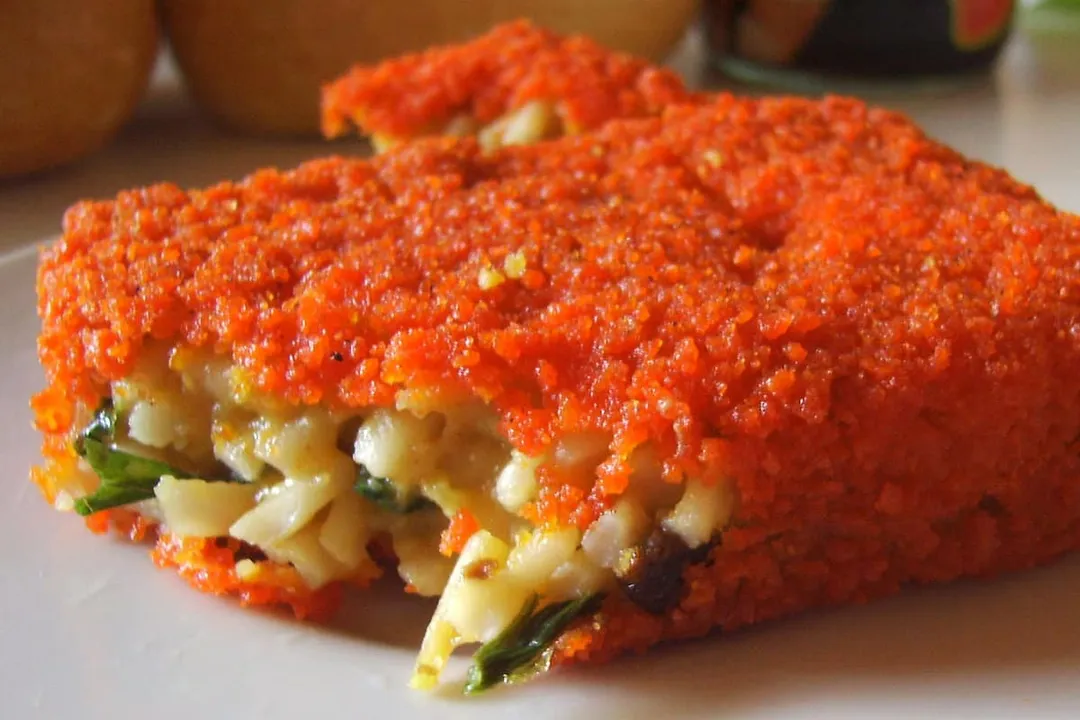
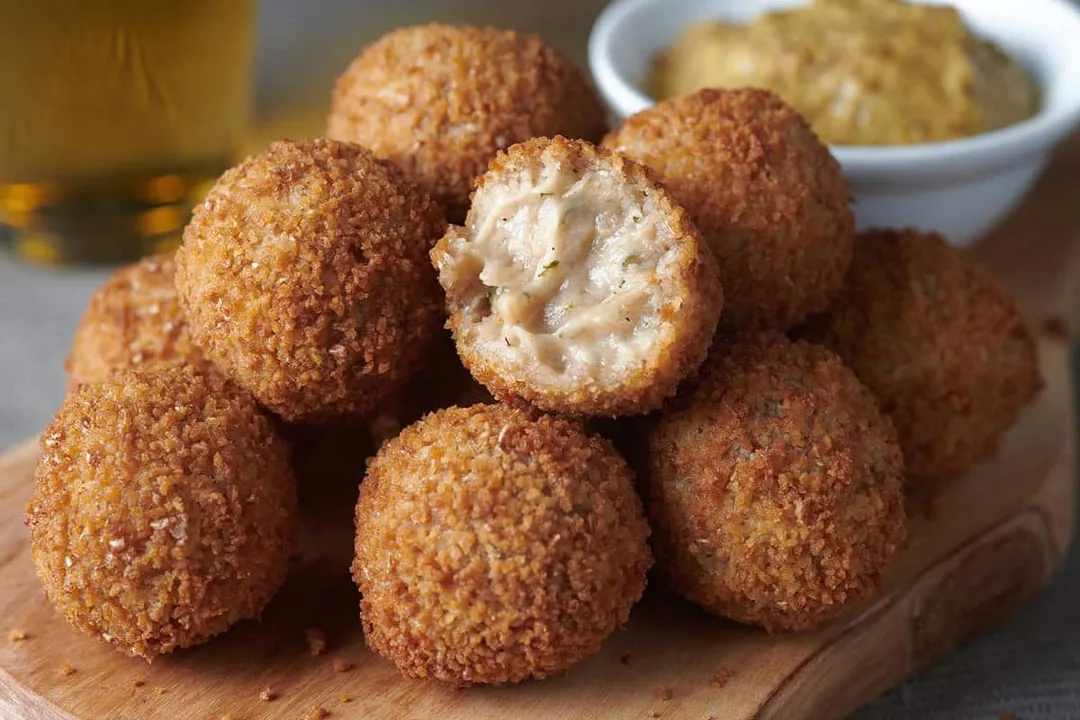
The two most famous deep-fried items are the kroket (croquette) and the bitterbal. [4] While related, they differ primarily in shape and typical serving context. [3] The kroket is cylindrical, often quite large, and traditionally contains a thick ragout made from beef or veal, though chicken variations are common. [4] It is often eaten as a standalone snack in a soft white bun (broodje kroket) or as part of a larger meal. [4]
The bitterbal, on the other hand, is essentially a miniature, spherical kroket. [3] They are almost exclusively served as an appetizer or bar snack, typically coming in orders of six or more. [3][7] The standard accompaniment is sharp, grainy mustard for dipping—the acidity cuts perfectly through the richness of the fried dough and ragout. [3] It’s interesting to note how deeply embedded these snacks are in social settings; asking for bitterballen at a brown café (a traditional Dutch pub) signals an intention to linger and socialize, making the purchase less about hunger and more about participation in local custom. [4] It’s not just fast food; it’s gezellig food.
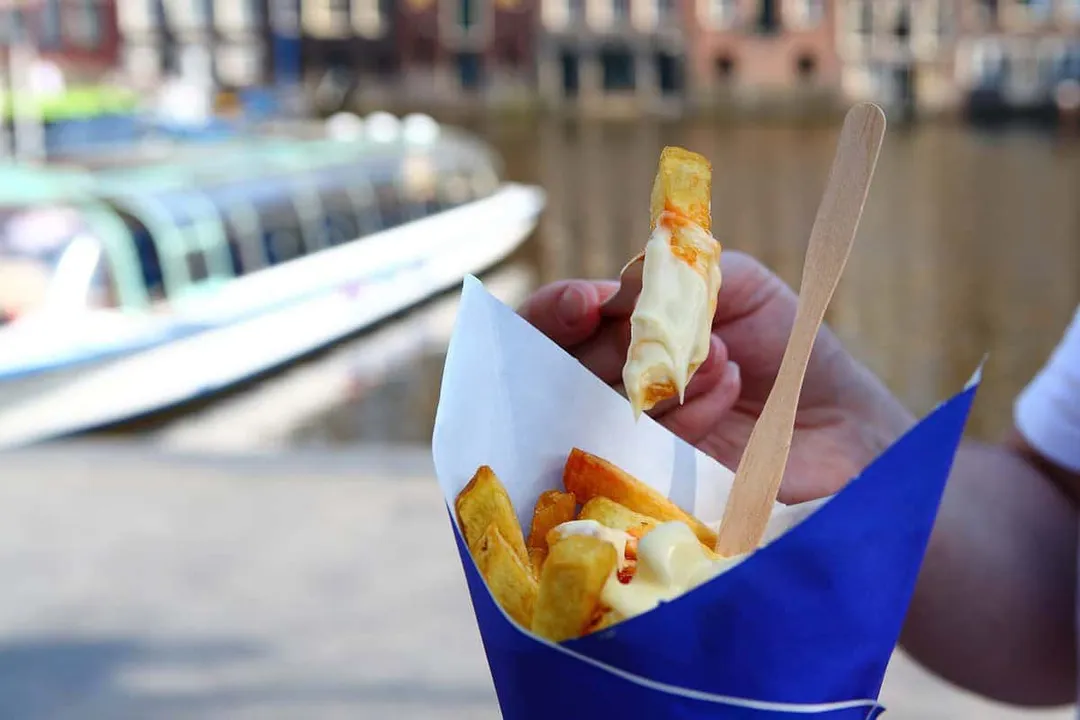
Another essential deep-fried item, particularly favored by younger crowds, is the frikandel. [7] This is a long, skinless, dark-colored sausage, usually made from a mixture of processed meats. [7] While you can eat it plain, many locals prefer it speciaal—split lengthwise, topped with raw diced onions, curry ketchup, and mayonnaise. [7] The combination of textures and the strong flavor profile of the sauces are what define this particular snack experience.
# Raw Seafood Rituals
Moving away from the comforting warmth of the deep fryer, we encounter a snack that demands more cultural bravery: Hollandse Nieuwe or raw herring. [5][8] This is perhaps the most traditionally Dutch snack of all, given the nation's deep maritime history. [5] The herring served this way is not fully cured or smoked; it is young herring that has been preserved in a light brine containing salt for a few days. [5]
Eating herring is a ritual that foreigners often observe with fascination. The traditional way involves holding the fish by its tail, lifting it high over your head, and lowering it into your mouth, biting off pieces as you go. [5] For those less enthusiastic about the high-angle maneuver, it is commonly served cut into chunks, topped with diced raw onions and sometimes a pickle gherkin. [5][8] The taste is delicate, slightly oily, and distinctly marine, though far less intense than aged salted fish. [5] Sampling this snack is a genuine connection to the historical diet of the Dutch fishing communities.
# Everyday Bread Toppings
When it comes to the everyday, no discussion of Dutch snacking or light meals is complete without mentioning broodbeleg, or bread toppings, chief among them hagelslag. [6] Hagelslag simply means chocolate sprinkles. [6] While it might seem odd to non-Dutch people to eat a thick layer of chocolate sprinkles on buttered bread for breakfast or lunch, it is a beloved staple. [6] There are many varieties, including milk, dark, and even white chocolate sprinkles, allowing for personalization. [6]
To gain an appreciation for hagelslag, one must consider the Dutch relationship with their bread slices, which are typically cut thin and uniformly. [6] It is about efficiency and maximizing flavor in a small vehicle. Think of it less as a dessert topping and more as a structural component—the butter acts as the adhesive, and the sprinkles provide the necessary textural crunch and sweetness to balance the otherwise simple slice of bread.

# Seasonal Dough Delights
Certain snacks are so tied to specific times of the year that they define a season. The oliebol (literally "oil ball") is the premier example, intrinsically linked to New Year’s Eve celebrations. [7][9] These are traditional deep-fried dough fritters, similar to a doughnut hole but often containing raisins or currants. [7] They are dusted heavily with powdered sugar just before serving. [7]
The tradition is ancient, dating back to the 15th century, and the consumption of oliebollen on New Year's Eve is believed to ward off evil spirits associated with the winter solstice. [7] While you can find them at various fairs and markets year-round, their peak popularity—and their quality in street stalls—is undeniably around the turn of the year. [9] If you are visiting during December, seeking out a oliebollenkraam (stall) is mandatory.
# Regional Specialities
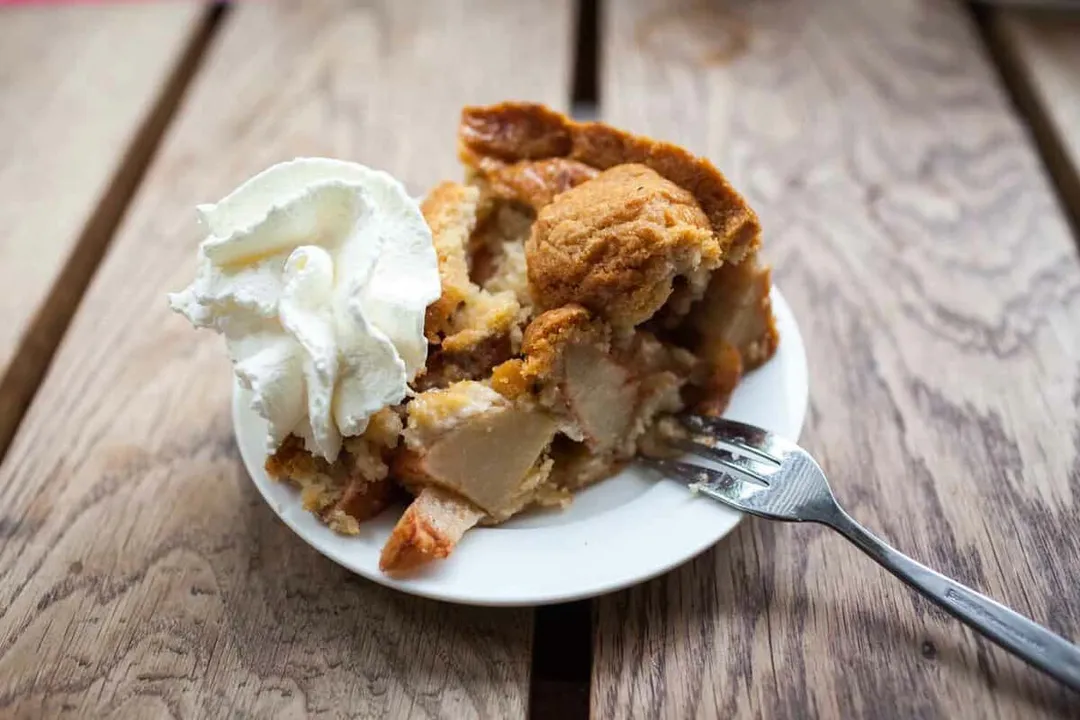
While the snacks mentioned above have achieved national recognition, some treats hold firm to their regional identities. A standout example is Vlaai, a distinctive type of pie or tart originating from the southern province of Limburg. [2] Vlaai is characterized by its shallow depth and a lattice or crumb topping over a fruit or pudding filling. [2]
The fillings vary widely—common types include cherries, plums, apricot, or even a creamy rice pudding base. [2] What sets Vlaai apart from a standard pie is the texture of the crust, which is often thinner and more cookie-like, offering a slightly different textural experience than the heavier, thicker crusts found elsewhere in the country. [2]
When examining the breadth of these offerings, a pattern emerges: the Dutch snack culture values contrasts and simplicity. You move from the sticky sweetness of the stroopwafel to the savory, meaty explosion of a bitterbal, then to the intense, briny purity of raw herring, all within a single afternoon outing. [1][5][8] This rapid transition in flavor profile suggests a culture that prizes efficiency in its eating—quick, satisfying bites that can be consumed on the go—but demands bold, clear flavors rather than subtle blending. [4] It is a culinary landscape built for the traveler, the worker, and the friend meeting up for a quick, authentic moment together. Whether you pick up a warm poffertje or brave the Hollandse Nieuwe, you are participating in a long-standing national tradition. [1][5]
#Videos
Traditional Snacks of The Netherlands - What to Eat in Amsterdam
Related Questions
#Citations
Dutch Snacks: A Guide to the Best Treats | Eating Europe
Traditional Snacks of The Netherlands - What to Eat in Amsterdam
What are some traditional Dutch foods to bring home? - Reddit
Traditional Dutch Food: 6 treats you must try
Five must eat Dutch foods while in the Netherlands, and restaurants ...
20 Traditional Dutch foods you must try in the Netherlands
A guide to typical Dutch snacks | This is Eindhoven
Traditional Dutch Foods and Drinks to Try in The Netherlands
Dutch Treats - 15+ Tasty Dutch Foods to Try (with Recipes)