What is Dutch comfort food?
Dutch comfort food is perhaps best defined by the weather it seeks to combat: long, often damp, and chilly seasons that demand dishes that are substantial, warm, and inherently satisfying. [9] It speaks less of refined culinary acrobatics and more of deep, rooted tradition, relying heavily on root vegetables, slow-cooked meats, and satisfying starches designed to stick to the ribs. [4][8] This cuisine is built on practicality and warmth, making it the edible equivalent of a thick woolen sweater on a grey afternoon.
# Root Vegetable Core

The absolute centerpiece of Dutch winter comfort is undoubtedly stamppot. [9] This dish is the definition of hearty, essentially being mashed root vegetables combined with mashed potatoes. [9] The name itself literally translates to "mash pot". [9] While a simple concept, the variations are what give it life and history.
# Stamppot Variations
The most recognized iteration is hutspot, which is a mash of potatoes, carrots, and onions. [9][4] This combination is ancient, often traced back to the siege of Leiden in 1574, where it was supposedly found cooking in abandoned Spanish pots—a tale of resourceful survival turned into a beloved staple. [4] Other common mash-ups include boerenkoolstamppot, which combines potatoes with kale, often served with rookworst (smoked sausage). [1][8] There is also andijviestamppot (endive mash) and zuurkoolstamppot (sauerkraut mash). [8]
The preparation is key to its comfort factor. The vegetables are often simmered until very tender, allowing them to integrate fully when mashed with the potatoes, usually enriched with butter, milk, or the liquid from cooking the vegetables themselves. [4] A common accompaniment is a gravy made from the cooking juices of the accompanying meat or sausage. [4] To experience true Dutch comfort, one must appreciate that the richness comes not from heavy cream, but from the dense, starchy quality of the ingredients themselves, often topped with a generous knob of melting butter. [9]
# Stewed Classics
Beyond the mashed preparations, Dutch cuisine offers slow-cooked meals perfect for warming up from the inside out. These dishes embody expertise in patiently coaxing flavor from humble ingredients over low heat. [4]
# Hachee
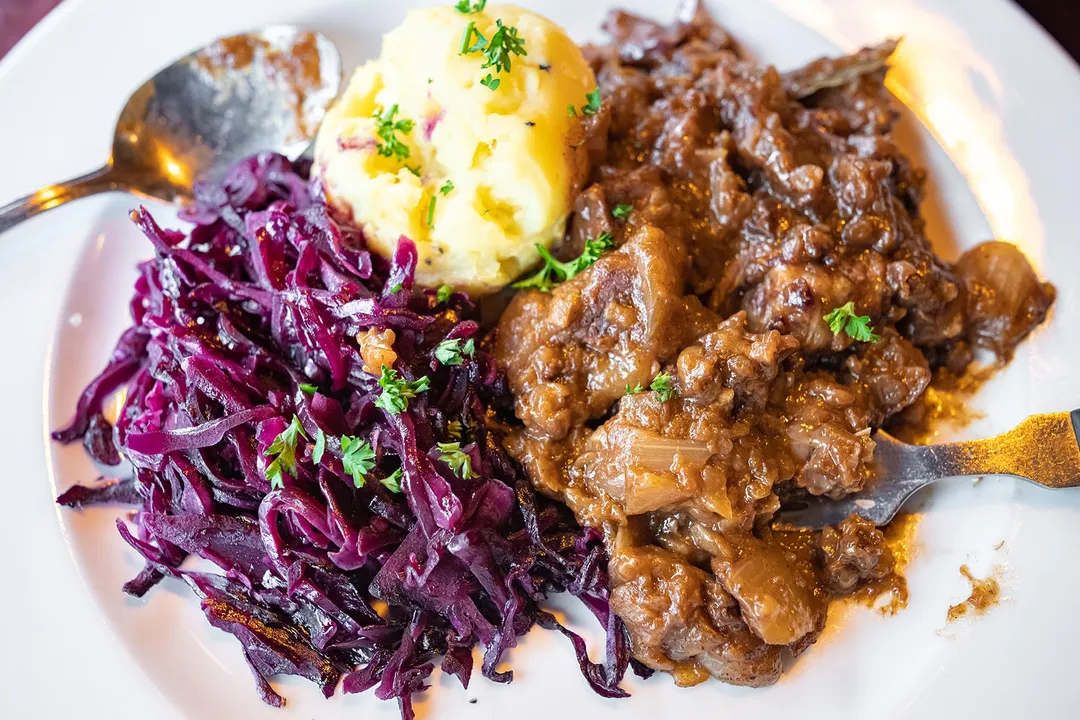
A quintessential example is hachee, a slow-cooked beef stew. [1][4] Traditionally, this stew is thickened not with flour, but with slices of ontbijtkoek (a spiced gingerbread-like loaf) or sometimes bread. [4][10] This method provides a subtle sweetness and a velvety texture to the rich, savory beef, often cooked with onions and a touch of vinegar or wine for depth. [4] It's the kind of meal that simmers all afternoon, filling the house with an unmistakable aroma of savory comfort.
# Pea Soup Tradition
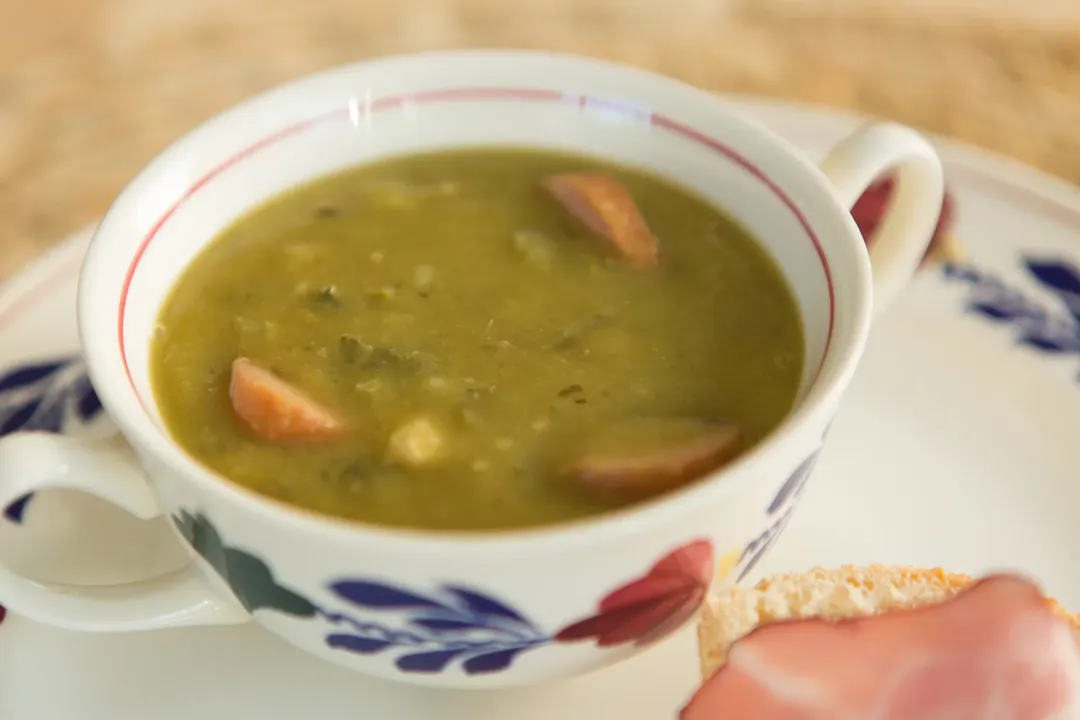
Another unmissable hearty offering is erwtensoep, or split pea soup. [1][4] This is an incredibly thick, almost stew-like soup made from dried split peas, various cuts of pork (like smoked bacon or ribs), and often seasoned with root vegetables and herbs like lovage. [4] It is famous for being so dense that a spoon might stand up in it. [1] In the Netherlands, it's often served in winter, frequently accompanied by slices of rookworst or dried sausage and thin strips of rye bread smeared with bacon fat. [4]
A useful observation when planning a Dutch comfort meal centered around these slow-cooked items is that their flavor profile deepens significantly overnight. Preparing a large batch of hachee or erwtensoep one day and reheating it the next often results in a more harmonious and complex taste, a testament to time-honored, low-and-slow cooking methods. [4]
# Snack Bar Heroes
No discussion of Dutch comfort food is complete without acknowledging the frituur or snack bar culture. While not gourmet, these fried delights are deeply ingrained in the Dutch psyche as quick, hot, satisfying indulgences, often enjoyed post-activity or late at night. [3]
# Fried Favorites
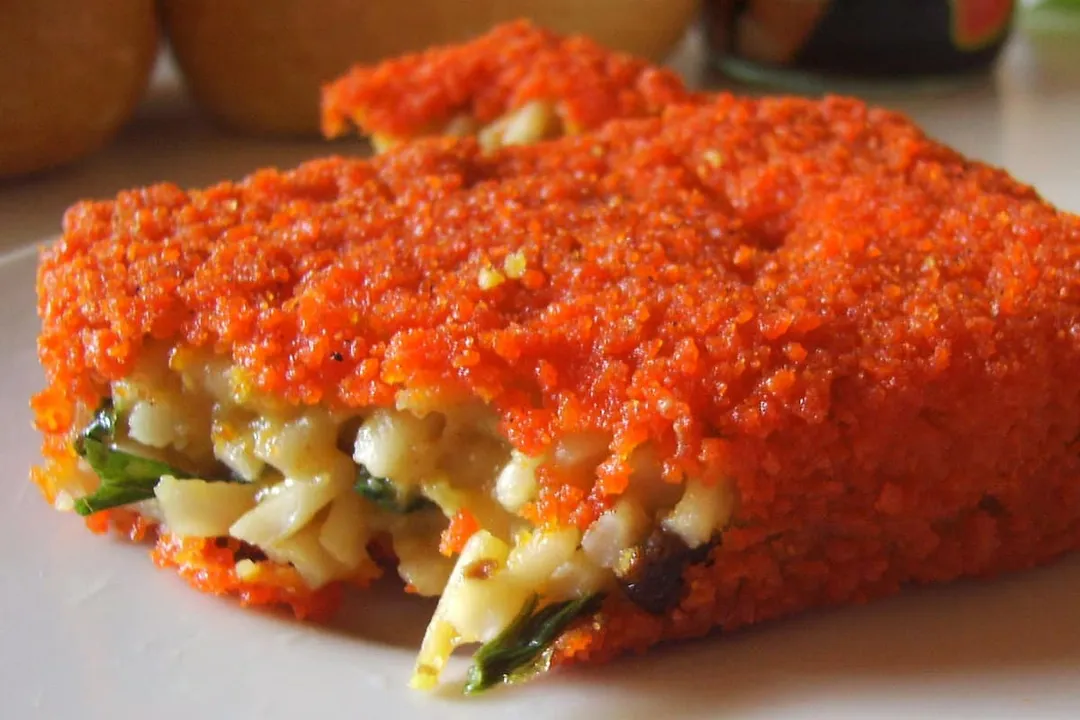
The kroket and bitterbal are miniature masterpieces of texture. The kroket is a cylindrical croquette with a soft, thick ragout filling—often beef or veal—coated in breadcrumbs and deep-fried to a golden crisp. [1][8] The bitterbal, its spherical cousin, shares the same savory interior but is smaller and traditionally served as a bar snack with mustard. [1] Their comfort lies in that contrast: the shattering crunch of the exterior yielding instantly to the hot, creamy interior.
Other common deep-fried fixtures include the frikandel, a skinless minced-meat sausage. [1] While perhaps less traditional in the historical sense than stamppot, these are undeniably powerful comfort agents, often slathered in curry ketchup, mayonnaise, and chopped onions for a frikandel speciaal. [8] The accessibility and immediate warmth provided by these snacks cement their place in the national food identity, offering instant gratification that contrasts with the long-simmering stews. [3]
# Sweet Warmth
The Dutch also turn to sweet treats when seeking warmth and a sense of gezelligheid—that unique feeling of coziness and contentment. These sweets are frequently associated with holidays, markets, or a mid-afternoon coffee break.
# Market Delights
Poffertjes stand out as a delightful, airy treat. [1][6] These are small, fluffy pancakes made with buckwheat flour and yeast, cooked in special indented pans. [10] They are traditionally served piping hot, dusted generously with powdered sugar and topped with a knob of butter. [1][6] They are a perfect example of simple ingredients transformed into something magical through the right cooking technique. [10]
For cooler months, especially around the end of the year, oliebollen reign supreme. [1] These deep-fried, spherical dough balls, often containing raisins or currants, are the Netherlands' answer to the doughnut or fritter. [1] They are most strongly associated with New Year's Eve celebrations. [1] A true oliebol should be light inside, not greasy, and heavily coated in powdered sugar. [1]
# Baked Staples
Apple pie, or appelgebak, also earns a spot on the comfort menu. [1] The Dutch version often stands out due to its dense, crumbly crust and a high ratio of sweet, slightly spiced apples to dough, sometimes featuring a lattice top. [1] Served warm, perhaps with a dollop of whipped cream, it offers a familiar, universally appreciated form of solace. [10]
When considering the everyday, everyday sweet comforts, it’s interesting to note the cultural significance of a simple slice of bread and cheese versus a market treat. While poffertjes are festive, the daily habit of topping bread with hagelslag (chocolate sprinkles) or a slice of ontbijtkoek (spice loaf) during breakfast or a break provides a more consistent, albeit less dramatic, form of simple, predictable comfort throughout the year. [4][10] This daily routine underscores that Dutch comfort isn't just reserved for special occasions or deep winter; it’s woven into the fabric of the morning.
# The Cheese Component
While not always cooked or served hot, cheese is an undeniable element of Dutch comfort, acting as a constant, reliable presence in meals and snacks. [3] The passion for cheese in the Netherlands is evident, and it certainly functions as a comforting staple, whether eaten on a sandwich or enjoyed as a snack. [3]
Hard, aged cheeses like Gouda and Edammer provide a sharp, satisfying bite that contrasts with the soft textures of stamppot or the creamy centers of bitterballen. When eaten cold or slightly warmed on bread, these cheeses provide a familiar, savory foundation to any cold-weather day. The depth of flavor achieved through aging offers a complexity that contrasts nicely with the often simpler preparations of hot dishes. [8]
# Integrating Comfort and Coziness
The true essence of Dutch comfort food extends beyond the ingredients; it incorporates the atmosphere surrounding the meal. The Dutch concept of gezelligheid—a feeling of cozy conviviality, togetherness, and warmth—is intrinsically linked to these hearty dishes. [2] A meal of stamppot or erwtensoep is rarely eaten alone or quickly; it is meant to be shared in a warm home setting, fostering connection. [2]
When approaching Dutch comfort food, understanding this atmosphere is important. For instance, enjoying bitterballen at a brown café (traditional Dutch pub) while sharing stories is as comforting as the food itself. [2] The food supports the gathering, rather than dominating it.
For those looking to recreate this feeling outside of the Netherlands, focus on the communal aspect. Instead of simply plating individual servings of hutspot, try serving it family-style from a large, heavy pot placed in the center of the table, alongside various gravies and mustards, allowing everyone to customize their final, deeply satisfying plate. This simple act of sharing transforms a simple mashed dish into an experience rich with cultural warmth and connection. [2] The best Dutch comfort food, whether a sticky stroopwafel or a robust beef stew, is ultimately about substance, tradition, and shared warmth against the cold. [9][10]
#Videos
Dutch Comfort Food Recipes Zuurvlees, Stamppot & Erwtensoep ...
Related Questions
#Citations
20 Traditional Dutch foods you must try in the Netherlands
Traditional Dutch comfort food recipes - Facebook
What food are Dutch people most passionate about? - Reddit
Dutch cuisine - Stefan's Gourmet Blog
Dutch Comfort Food Recipes Zuurvlees, Stamppot & Erwtensoep ...
5 Traditional Dutch Foods You Must Try - Dutch Waffle Company
Ever wondered what comfort food looks like in the Netherlands? We ...
The 10 best Dutch foods – with full recipes | Expatica
Are there any Dutch comfort foods similar to stamppot that ... - Quora
15 x famous Dutch recipes - Simone's Kitchen