What is a traditional menu?
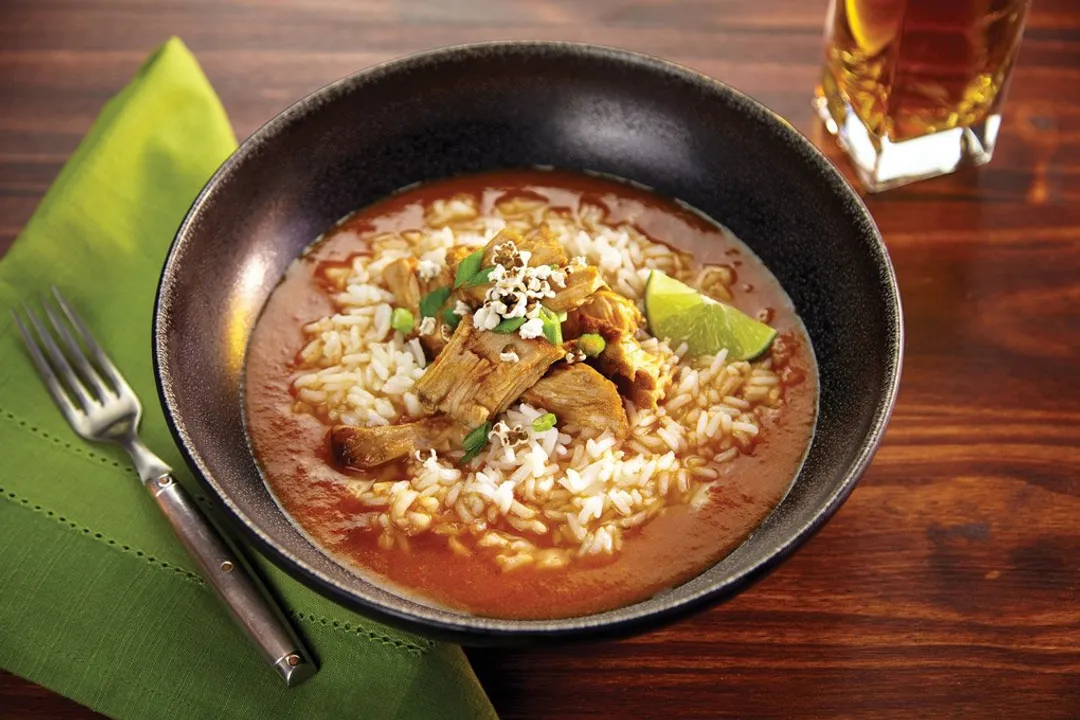
The term "traditional menu" invites consideration across two distinct yet related culinary spheres: what we eat and how it is presented. On one hand, it refers to established, time-honored dishes that anchor a culture or family's identity, often deeply rooted in local ingredients and historical practices. [2][3] On the other, in the hospitality industry, a traditional menu refers to established physical formats and organizational structures used to list food and beverage offerings in a restaurant setting. [6][8] Understanding the traditional menu requires looking at both the comfort of established cuisine and the expectation set by classic presentation styles.
# Culinary Roots
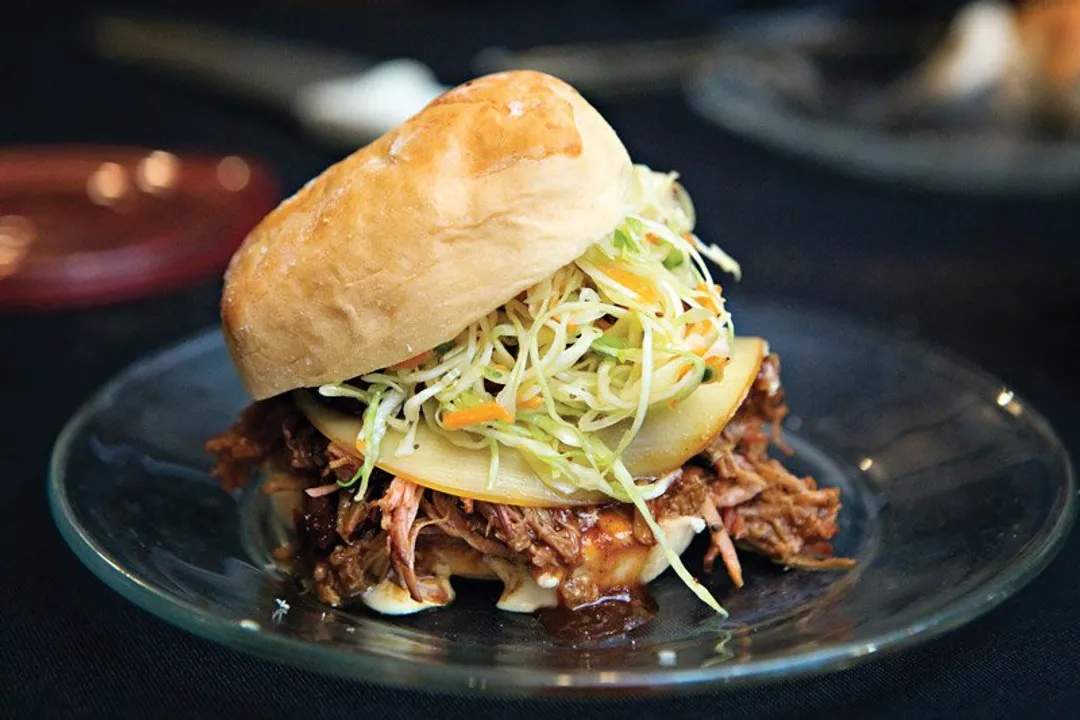
When discussing food, a traditional dish is typically one that has been prepared and consumed for generations, often representing the core identity of a region or nationality. [3] These foods are not simply old recipes; they are reflections of agricultural history, migration patterns, and local climate. [2] They connect diners to their past, carrying with them a sense of cultural continuity that modern or fusion cuisine might lack. [3]
Traditional foods around the world are incredibly diverse, varying based on geography and available resources. For instance, staples in one area might be entirely foreign in another. In the context of American cuisine, traditional foods often highlight historical influences, featuring items like meatloaf, roasted chicken, macaroni and cheese, and specific regional barbeque styles. [10] These dishes are valued not for their complexity but for their familiarity and the comfort they provide, often evoking memories of home or childhood gatherings. [5]
A key element differentiating traditional food is its reliance on established preparation methods. While modern techniques can certainly replicate these flavors, the traditional preparation often implies methods passed down through oral or practiced learning, perhaps involving slow cooking, fermentation, or specific spice blends inherent to that heritage. [3] A dish becomes traditional when it moves from being merely a recipe to being an expected part of a cultural calendar or family gathering.
# Weekly Customs
This idea of established eating patterns extends beyond annual holidays into the rhythm of the week itself, especially in home cooking contexts. [5] In many households, there develops an informal, yet deeply ingrained, traditional menu plan for daily dinners. [1] This pattern helps structure meal preparation and ensures variety within familiar bounds.
For example, looking at common weekly patterns observed in home cooking discussions, one might see certain themes emerging:
- Monday: Often reserved for something quick or requiring minimal effort, perhaps leftovers or a simple pasta dish. [1][9]
- Tuesday: Often associated with tacos or similar quick-to-assemble meals, reflecting a desire to keep the week moving smoothly. [9]
- Wednesday: Sometimes earmarked for something slow-cooked or more involved, like pot roast or a casserole, prepared mid-week. [1]
- Thursday: Frequently a night for slightly lighter fare or ethnic food experimentation, building toward the weekend. [9]
- Friday: Traditionally, this night often called for something fun or indulgent, historically leaning towards fish or pizza, perhaps a holdover from Lenten practices or simply a celebratory end to the work week. [1][9]
- Saturday and Sunday: These days often allow for the most time-intensive, hearty traditional meals, like roasts, large family breakfasts, or specific regional specialties. [5]
This structure—a traditional menu plan for the week—shows that tradition isn't just about historical national cuisine; it's about the learned, repeated routines within a smaller domestic unit. [5] Deviating from this established pattern can sometimes feel "wrong" to family members accustomed to Sunday being roast day, illustrating the ingrained nature of these micro-traditions. [1]
An analytical note on domestic traditions: While specific dishes change over time, the structure of the weekly meal plan remains highly valued. This framework provides cognitive ease for the primary cook—the decision of what to cook is pre-solved based on the day of the week. This reliance on a patterned menu plan, rather than a complex physical document, demonstrates how tradition manifests as functional habit rather than just historical record, an insight often missed when only focusing on restaurant design.
# Format Baseline
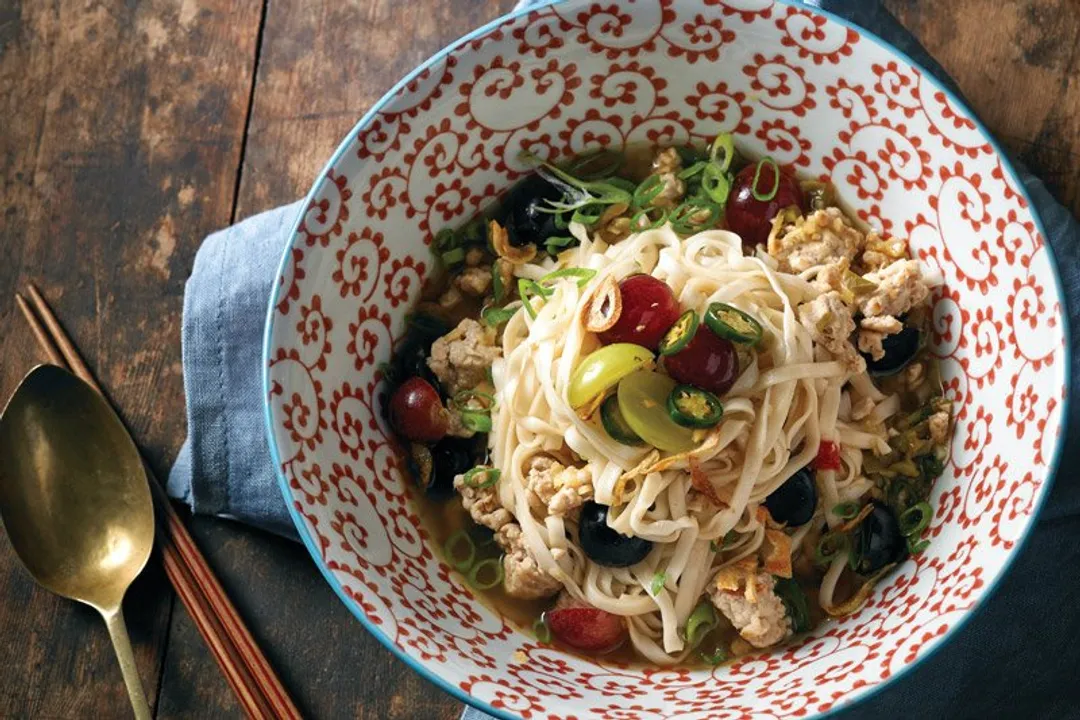
Shifting focus to the service industry, a traditional menu describes the physical document and its standard organization designed to communicate offerings to a customer. [6] This traditional format developed over centuries, evolving from simple chalkboards to multi-page bound books, aiming for clarity, suggestion, and profitability. [8]
The traditional structure prioritizes logical flow, guiding the diner through the meal progression. Unlike modern, highly visual, or digital menus which might prioritize featured items aggressively, the classic approach relies on sequential listing and strategic placement within categories. [6] The expectation for a traditional menu is often one of stability and predictability; diners anticipate finding certain sections in a certain order. [8]
# Established Types
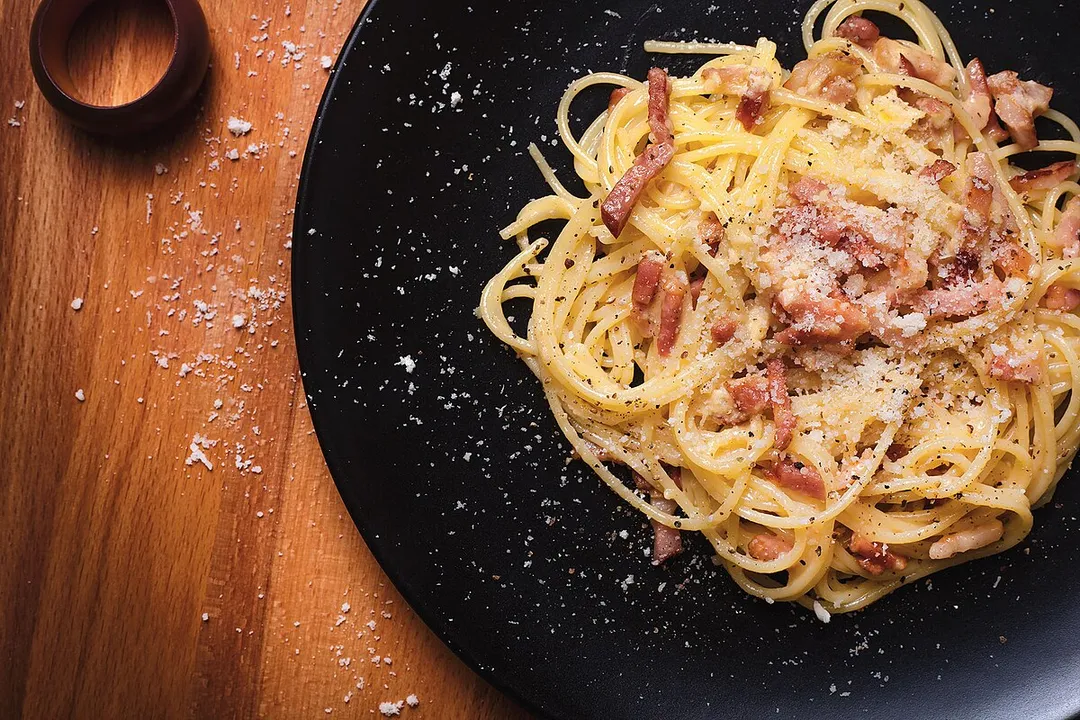
Several established menu formats qualify as "traditional" because they have formed the backbone of restaurant service for decades, if not centuries. [6]
# Static Structure
The static menu is perhaps the most classic format. This is the single, printed menu that remains unchanged for many months, sometimes even years, unless a major ingredient cost shift or seasonal overhaul occurs. [6][8] A very high-end, old-school steakhouse that always offers the same core cuts and sides is a good example of a business relying on a static menu. The tradition here lies in the consistency of the offerings, allowing repeat customers to order their favorites without checking a new list every visit. [6]
# À La Carte
The à la carte menu presents every item as a separate purchase, meaning appetizers, entrees, and sides are all individually priced. [8] This contrasts with a table d'hôte menu where a multi-course meal is offered at one fixed price. The traditional value of à la carte service is the perceived freedom and control it gives the guest to select exactly what they want and how much they want to spend at each stage of the meal. [6]
# Cycle Menus
While sometimes used for efficiency in high-volume settings like hospitals or cruise lines, the cycle menu also has a traditional underpinning where the menu repeats over a set period (e.g., every three weeks). [6] This is a tradition of planned rotation, ensuring that regulars don't see the exact same offering every single day, but still benefit from pre-planned, consistent inventory management. [8]
# Designer Expectations
In terms of physical design, the traditional menu often involves high-quality paper stock, perhaps bound in leather or heavy cardstock, with clear, legible fonts (often serif fonts for readability). [4] Design elements traditionally aimed for elegance and a sense of permanence, suggesting that the food quality matched the menu's presentation. [7] The reader is expected to read the menu methodically, rather than just scan visually for highlighted boxes or pictures, which is common in more modern layouts. [4][7]
An actionable tip for interpreting traditional menus: When encountering a very old-school, multi-page printed menu, a diner can often deduce the restaurant's focus by noting the sheer length of certain sections. If the Appetizers section fills an entire page, it suggests the chef highly values the opening courses, perhaps even encouraging ordering several small plates instead of a single large main dish. If the main courses are few but meticulously described, the restaurant prioritizes perfection in those few selections over breadth of offering.
# Design Comparison
The concept of a "traditional menu" is best understood when contrasted with its modern counterparts, which challenge the established norms of presentation and delivery. [4][7] Modern menus frequently embrace digital formats, QR codes, or highly graphic-intensive designs that deliberately break established layout rules to draw attention to high-margin items. [4]
The move to digital or heavily modernized paper menus often sacrifices the established sequential flow for visual impact. [7] While a traditional menu guides you from soup to dessert in order, a modern design might place the $50 special prominently in the top right corner with a colored border—a practice that would be considered jarring or unsophisticated on a truly traditional menu document. [4]
Ultimately, when a dining establishment intentionally chooses to stick to a static, clearly categorized, text-heavy, and physically bound menu, they are making a statement. They are signaling adherence to established culinary norms, suggesting that the value lies in the tested quality of the food itself, rather than the novelty of the presentation or the speed of digital ordering. [6] The traditional menu, whether it is the weekly meal plan at home or the leather-bound book in a fine dining room, represents a commitment to known, reliable comfort and structure in a constantly changing world of choice. [2][5]
Related Questions
#Citations
What are traditional dinners for each day of the week? - Reddit
Traditional food - Wikipedia
117+ Traditional Dishes from Around the World - The Storied Recipe
Digital Menu vs. Traditional Menu - Which is Right for Your ...
Traditional Menu Plan - Mommy Hates Cooking
25 Types of Menu in Restaurant (With Examples) - UpMenu
A Traditional Dish with a Modern Twist - Flavor & The Menu
Top 5 Types of Menus for Bars, Hotels, and Restaurants - BinWise
What are the Traditional Dinners for Each Day of the Week?
65 Traditional American Foods To Try | DelishGlobe