What is a typical bouchon menu?
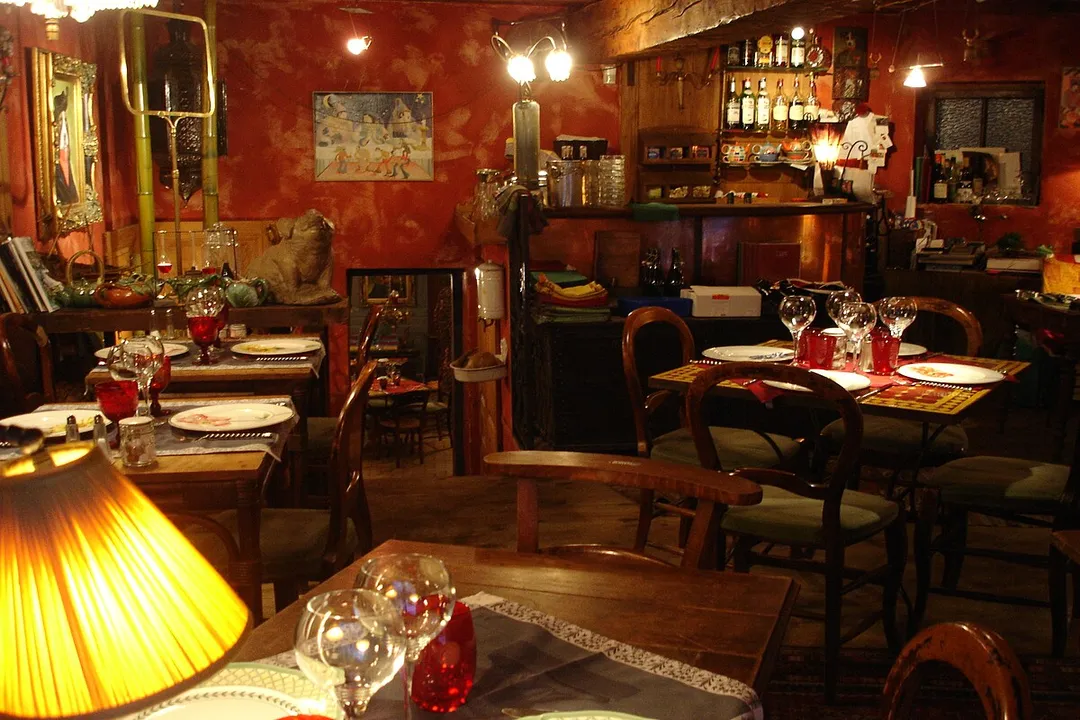
The experience of dining at a bouchon is central to understanding the culinary heart of Lyon, often considered the gastronomic capital of France. More than just a restaurant, a bouchon represents a specific, historically rich style of casual eatery, serving up generous portions of rich, traditional Lyonnaise fare. These establishments are famed for their unwavering commitment to authentic, unpretentious cooking, rooted deeply in the history of the city's workers and silk trade. When one seeks out a typical bouchon menu, they are not looking for the delicate plating of haute cuisine, but rather for comforting, flavorful dishes that tell a story of Lyonnaise heritage.
# Lyonnais Heritage
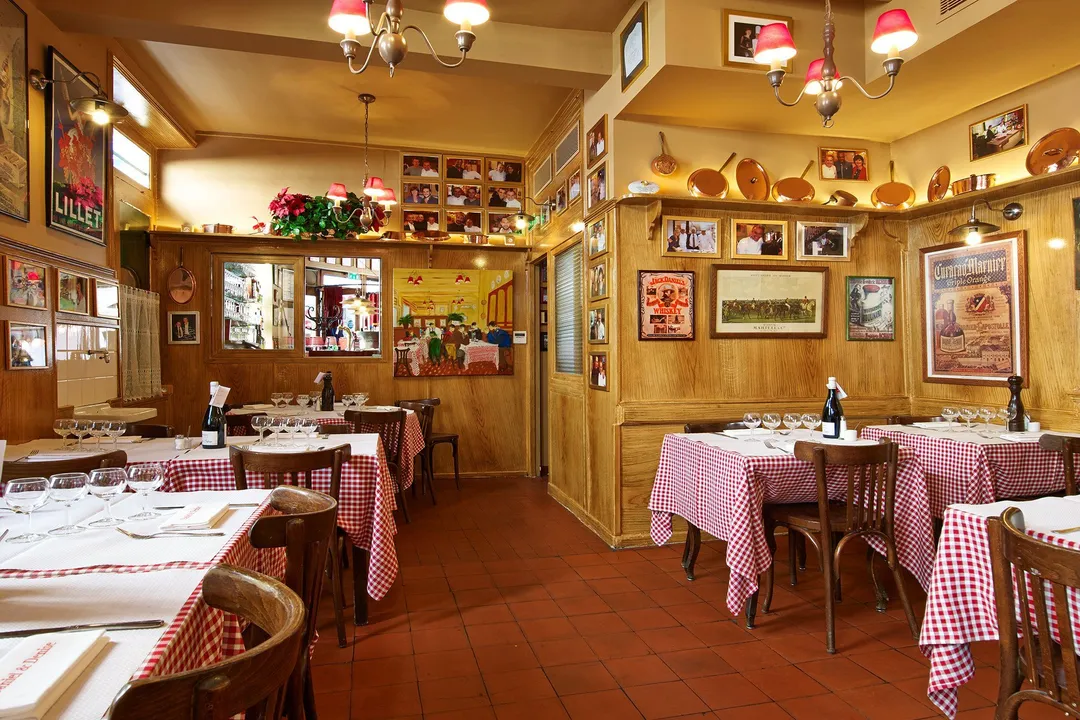
The very name bouchon carries a touch of mystery, adding to the charm of these institutions. Some suggest the term relates to the corks used to stopper wine bottles, fitting for a place where wine flows freely. Another popular theory links the name to the stems of dried flowers, or bouchons, that were historically used to clean the lamps in the workshops of the canuts, the silk workers of Lyon. This association with the working class is critical; bouchons developed as places where these laborers could find hearty, affordable, and satisfying meals. The atmosphere inside today often reflects this past—it is typically convivial, warm, and far from stuffy, encouraging shared plates and lively conversation. It’s about simple pleasure, not stiff formality.
# Menu Structure
A defining characteristic of the typical bouchon menu is its traditional structure, often presented as a fixed-price offering or formule. This format encourages diners to experience the full breadth of Lyonnaise cooking across the traditional courses: the entrée (starter), the plat (main dish), followed by either a cheese course or a dessert. Unlike modern establishments where choices might be light or small, the expectation here is substantiality. The portions served are characteristically generous, reflecting the need to feed laborers after a long day. Navigating this menu requires an appreciation for richness, as the foundational ingredients lean heavily on pork, offal, and creamy sauces, which are the historical backbone of this regional cuisine.
# Starters Selection
The entrées at a bouchon are an immediate immersion into Lyonnaise identity. One of the most iconic starters is the Salade Lyonnaise. This is not just a simple green salad; it’s a substantial plate featuring fresh lettuce tossed with crisp lardons (small strips or cubes of fatty bacon), croutons, and crowned with a perfectly poached egg. The runny yolk of the egg mixes with the dressing to create an unctuous coating for the greens and bacon, making it an experience in itself.
Another non-negotiable starter is Saucisson de Lyon, a famous cured sausage, often served gently poached or lukewarm, perhaps accompanied by potatoes or an acidic pickle to cut through the richness. For those seeking something lighter, or perhaps to preface a heavier main, Cervelle de Canut is frequently offered. This preparation involves fresh white cheese mixed with finely chopped onions, chives, parsley, vinegar, and oil—a creamy, herby dip that offers a refreshing counterpoint to the cured meats. Some establishments also feature appetizers like Gribiche sauce, a tangy mayonnaise-based sauce often served with cold meats or eggs. The diversity here, from cured meats to fresh cheese preparations, sets the stage for the meal by showcasing contrasting textures and flavor profiles right from the start.
# Main Courses
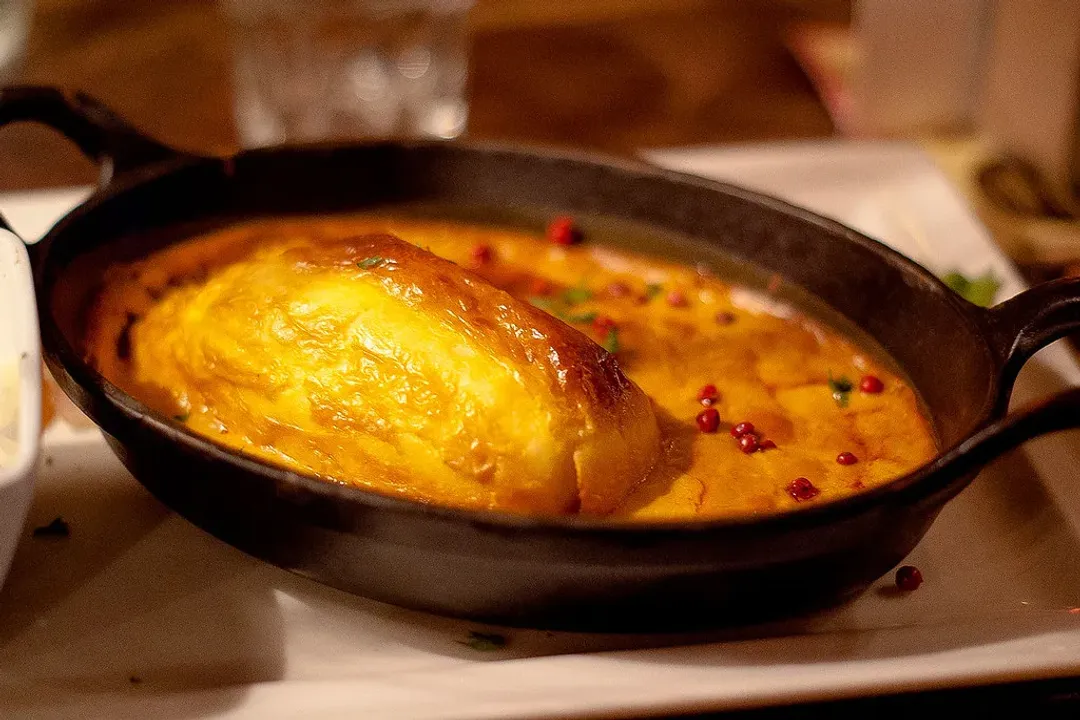
The main courses, the plats, are where the bouchon truly showcases its hearty character, frequently featuring dishes derived from offal or slow-cooked meats that require time and patience to prepare correctly. The undisputed champion of the bouchon main course, and perhaps the most famous Lyonnaise specialty, is the Quenelle de Brochet. These are delicate dumplings made from pike fish mousse, baked until puffed and served swimming in a rich, creamy Nantua sauce (a crayfish-based béchamel). The contrast between the light, airy quenelle and the intensely flavored sauce is what defines this dish.
The menu also leans heavily into the historical appreciation of all parts of the animal. Tablier de Sapeur (literally "fireman’s apron") is a popular, if intimidating, option. This dish consists of beef tripe, marinated in white wine and herbs, then breaded and fried until crisp on the outside yet tender within. It is usually served with a sharp, vinegary sauce or sometimes sauce gribiche. Another staple is Andouillette, a type of coarse-grained sausage made from pork chitterlings (large intestines). This intensely flavored sausage requires an acquired taste but is revered by purists. For those less inclined toward offal, traditional preparations like Pot-au-feu (a classic boiled beef and vegetable stew) or well-executed steak preparations, sometimes served tartare style, round out the main offerings.
Considering the intensity of dishes like tablier de sapeur or andouillette, a patron must carefully plan their meal's progression. A common pitfall for first-time visitors is ordering a very rich starter, like saucisson, and then following it with the heavy quenelle or tripe. A better approach involves balancing the richness: perhaps starting with the lighter cervelle de canut and then moving to a cooked meat main, or choosing a lighter main if the starter was very fatty. This mindful sequencing helps prevent palate fatigue over the course of the meal [Editor's Observation].
# Finishing Touches
After such substantial main courses, the meal continues with the traditional choice between cheese or dessert, though for many, the cheese course is the preferred bridge to coffee. The cheese course is typically focused on local selections, though often the Cervelle de Canut, which might appear as a starter, might also feature here as a creamy, herby close to the savory portion of the meal.
If dessert is chosen, it tends to follow the rustic, comforting theme. The Tarte aux Pralines Roses is a distinct Lyonnaise favorite. This tart features a pastry crust filled with a creamy custard or frangipane base studded with intensely colored, crunchy pink caramelized almonds. For a lighter option, classics like îles flottantes (meringue "islands" floating on vanilla crème anglaise) or a simple, rich crème au chocolat are commonly found. These desserts avoid the fussy complexity of Parisian patisserie, favoring direct, satisfying sweetness.
# Beverage Pairing
No discussion of a bouchon menu is complete without mentioning the wine. Wine is integral, and the traditional style of service enhances the casual, communal feel. Wine is frequently served en pichet or, more specifically, in a pot, which is a simple carafe, rather than immediately reaching for a bottle. This suggests a local house wine, often a Beaujolais or a Mâconnais red or white, which are regional favorites that pair well with the robust food.
The necessity of sharp acidity in the local wines is paramount for cutting through the fat and richness inherent in the cuisine. For instance, a heavily larded saucisson or the creamy sauce of a quenelle demands a wine with good structure. While a heavy red might seem appropriate for the meats, a vibrant Beaujolais Cru (like a Morgon or Fleurie) or a crisp white from the Savoie region (if available, which sometimes occurs in Lyonnaise restaurants seeking variety) offers the necessary acid to cleanse the palate between bites of rich tripe or creamy cheese [Expert Insight/Analysis]. This pairing is less about prestige and more about functional harmony in eating.

# Authenticity Standard
The term bouchon has become so iconic that, like many regional specialties, it has attracted imitation. To combat this, official recognition exists. A true Bouchon Lyonnais is often certified by an association that upholds specific standards regarding the food served, the wine selection, and the atmosphere maintained. Certification acts as a guarantee that the menu adheres to the historical recipes and generous spirit of the original establishments.
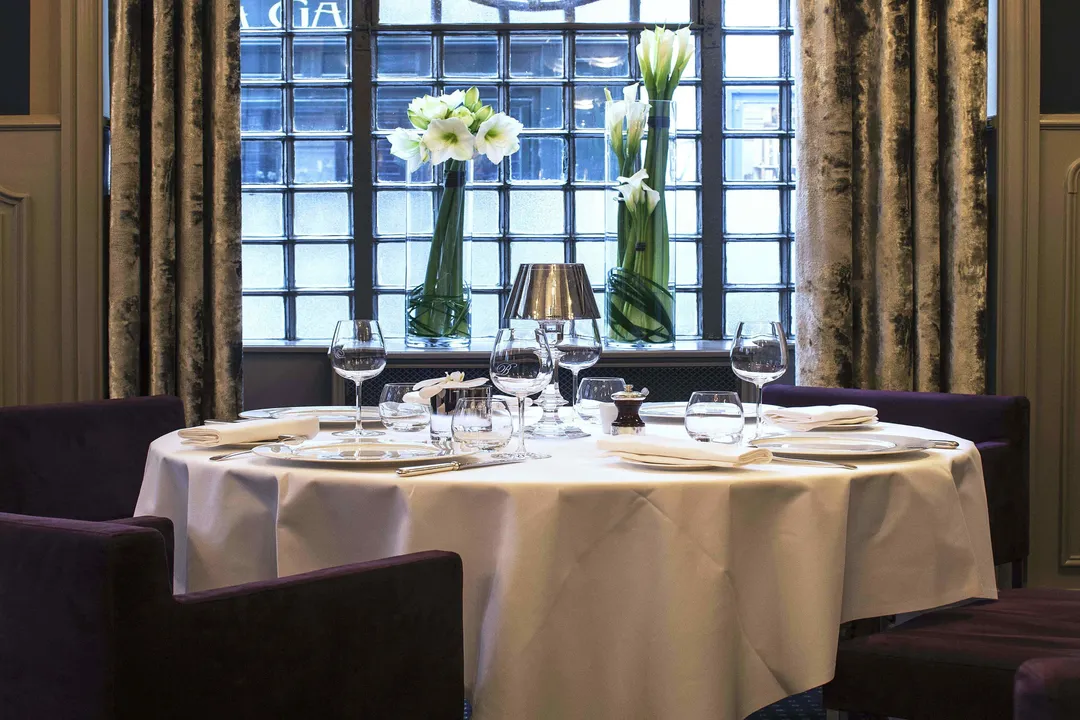
For example, a certified menu must typically feature a significant number of the classic meat and offal dishes, and the setting must maintain a certain rustic charm, often including checkered tablecloths and traditional decor. Restaurants aspiring to this title must demonstrate expertise in the cuisine du terroir—the cooking of the land—which means mastering the preparation of dishes like tête de veau (calf's head) or cervelle de canut. If a menu seems too contemporary, features overly refined sauces, or offers an extensive, global wine list without prominent local offerings, it might lean toward the broader category of a bistrot rather than a dedicated, traditional bouchon. Consumers looking for the quintessential experience should actively seek out these markers of authenticity, understanding that the menu is a cultural artifact as much as a list of meals. The experience is less about finding the newest trend and more about honoring what has sustained Lyon for centuries.
Related Questions
#Citations
What is a Bouchon? - Meaning, Description - On the Line
Bouchon- traditional workers' cuisine | Gary J. Kirkpatrick Art ...
Les bouchons Lyonnais, Lyon's traditional bistros
Bouchon
Bouchons
Lyon – Le Bouchon
Our menu
What is a Bouchon Restaurant in Lyon, France?
A tasty bouchon Lyonnais - Culinary Travels in France
Lyon's bouchons: everything you need to know