What is the typical pasta of Calabria?
The culinary landscape of Calabria, the sun-drenched region forming the "toe" of Italy's boot, is defined by bold flavors, a peasant tradition known as cucina povera, and, most notably for pasta lovers, a deep reliance on simple, high-quality ingredients. Unlike the egg-rich pastas of Northern Italy, the Calabrian approach to fresh pasta often embraces simplicity, relying solely on hard wheat flour and water. This hard wheat, thriving in the climate, provides enough gluten structure to allow the dough to hold its shape beautifully without the need for eggs, resulting in pasta that is rustic, hearty, and perfectly suited to capture the region's famously intense sauces.
While Calabria offers a variety of shapes and dishes, one pasta form stands out as the undeniable signature: Fileja.
# The Signature Shape Fileja
Fileja is perhaps the most iconic pasta shape associated with Calabria. It is often described as a type of maccheroni that is curly or shaped like elongated screws. The traditional method of creation involves taking a small sheet of dough and wrapping it around a thin rod or stick—historically called a ferretto—to create a hollow, ridged tube. This artisanal process gives Fileja its distinctive texture, which features ridges and a hollow center, making it exceptionally adept at holding onto the region's robust and often spicy sauces.
The commitment to tradition is clear, as producers strive to maintain this homemade character, using only high-quality durum wheat semolina and pure spring water. The slow drying process at low temperatures further ensures the pasta retains its aroma and firm texture, hallmarks of an authentic product.
Fileja is not just a shape; it is central to some of the region's most celebrated dishes. The pairing with ’nduja, the famous spicy, spreadable pork sausage, is classic and defines a hallmark Calabrian flavor profile.
# Regional Pasta Varieties
While Fileja commands attention, Calabrian cuisine embraces several other distinct pasta forms, often rooted in local history or specific geographic areas within the region.
One ancient form worth noting is Lagane. Lagane is believed to be one of the oldest pasta types in existence, with versions dating back to the Ancient Romans. It is characterized by being eggless, made from durum wheat, and shaped into short, wide ribbons. A classic dish featuring this shape is Lagane e Cicciari, a cucina povera staple where the ribbons are tossed with chickpeas, garlic, olive oil, and other simple seasonings.
Other shapes that appear in the traditional repertoire include:
- Maccheroni: Used broadly, but specifically noted in the dish Maccheroni con il sugo di capra (macaroni with goat sauce).
- Bucatini/Perciatelli: These long, hollow pasta shapes are used in dishes like Bucatini alla calabrese, sometimes featuring seafood like stockfish.
- Rigatoni: Featured in Rigatoni alla Silana, a hearty mountain dish from the Sila region, often incorporating sausage, guanciale, and porcini mushrooms.
- Fusilli: Both standard and long varieties are used, such as in Fusilli alla paesana, which incorporates capocollo and black olives.
The nomenclature itself speaks to the region's rich history and dialect, with other shapes carrying wonderfully evocative local names like ricci di donna (ladies curls) and capieddi ‘e prieviti (hairs of the priest). The diversity in shapes mirrors the varied terrain, from the mountainous Sila plateau to the coastal areas.
# The Flavors of the Sauce
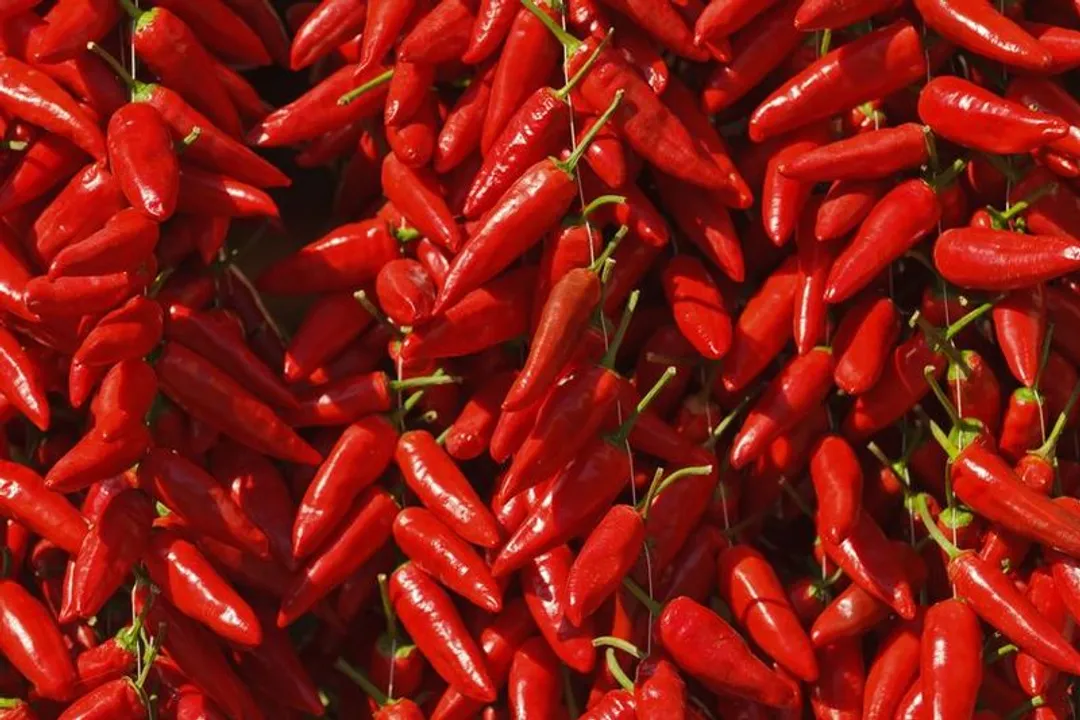
The character of Calabrian pasta is equally defined by what coats it. The cuisine is famous for its spice, largely due to the ubiquitous peperoncino (chili pepper), which is often considered an unofficial symbol of the region.
# Nduja's Influence
The most famous condiment pairing is arguably Fileja con ’nduja. ’Nduja is a soft, spreadable pork sausage intensely seasoned with the local peperoncino. When cooking, the ’nduja is often dissolved into a tomato purée with onions and garlic, creating a rich, spicy, and creamy coating that the ridges of the Fileja perfectly trap. This dish embodies the fiery, rustic spirit of Calabrian food.
# Sweetness vs. Heat
A fascinating counterpoint to the heat is the strategic use of sweet ingredients, particularly the Cipolla Rossa di Tropea (Tropea Red Onion). This onion is celebrated for its mild flavor and natural sweetness. When Fileja is served alla Tropeana, the sauce features these caramelized onions, sometimes with zucchini and eggplant, creating a fragrant, slightly sweet dish balanced by the required kick of peperoncino. The interplay between the intense heat of the chili and the mellow sweetness of the Tropea onion is a defining characteristic of the regional palate, something few other parts of Italy rely on so heavily.
# Cucina Povera Staples
Reflecting its history as one of Italy's poorer regions, many pasta dishes rely on simple, accessible ingredients, the essence of cucina povera.
- Pasta e Alici: A very traditional dish, also known as pasta ca muddicata, relies on anchovies and toasted breadcrumbs. This dish was particularly important around Christmas when meatless meals (di magro) were observed. The crunch of the toasted breadcrumbs contrasts wonderfully with the savory anchovies and smooth pasta.
- Ricotta Balls: In the Sila mountains, poverty led to using simple staples like ricotta cheese, which is formed into small balls, cooked in tomato sauce, and served over pasta.
# Mountain Heartiness
In contrast to the coastal or simpler fare, the mountainous Sila region produces heartier pasta dishes. Pasta alla Silana is a prime example, utilizing rich ingredients like sausage, guanciale, porcini mushrooms, and aged cheeses such as caciocavallo and pecorino. This slow-cooked, dense preparation stands in stark contrast to the light, onion-forward sauces found closer to the sea.
# Artisanal Production and Modern Access
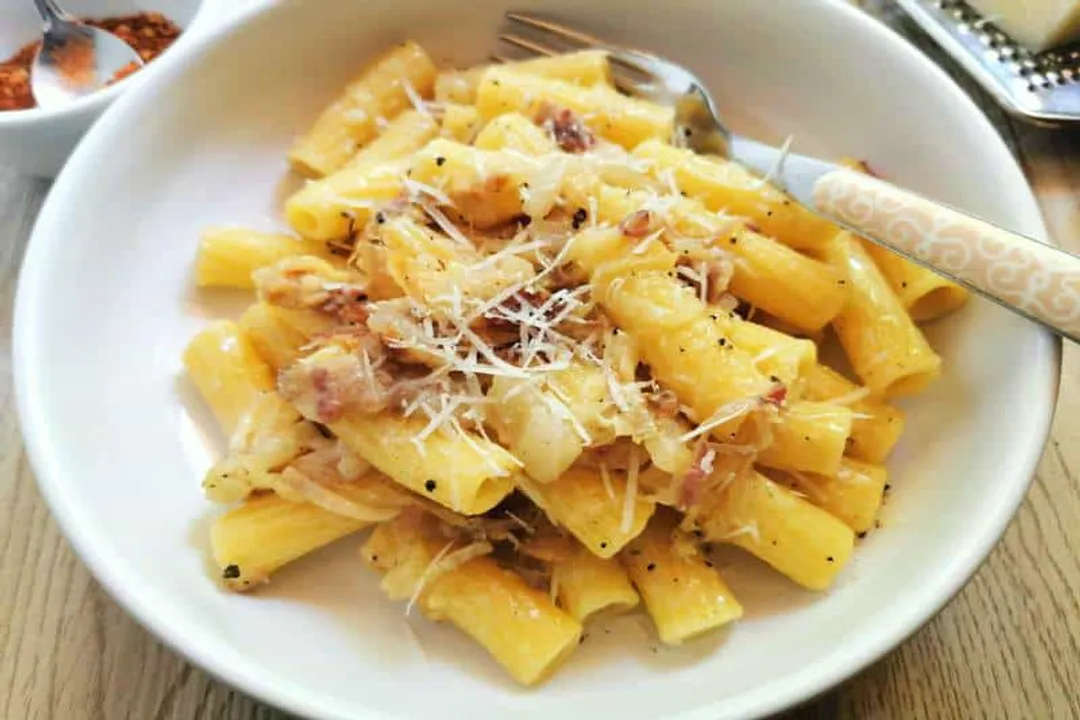
The dedication to shape and texture means that artisanal producers are highly valued for their adherence to tradition. For instance, some producers use traditional bronze dies during extrusion. This technique is crucial because it creates a rough, porous surface texture on the dried pasta, which is vastly superior for sauce adhesion compared to modern, smooth extrusion methods.
While much of this pasta was historically made at home for special occasions—Sundays, religious holidays, or major family events—the demand for authentic regional shapes has led to specialized production. Today, one can find producers dedicated to preserving these ancestral shapes, often using specific local ingredients or following time-honored, slow-drying techniques to replicate the exact quality achieved by a skilled nonna.
For those looking to recreate an authentic Calabrian experience at home, understanding this commitment to texture is key. If sourcing genuine Fileja proves challenging, a great tip is to deliberately choose any short, dried pasta that advertises a bronze die cut (bronze-drawn). The resultant rough surface will mimic the texture needed to cling to the thick, oil-based, or spicy ’nduja-laden sauces far better than standard supermarket pasta. This focus on the surface area, rather than just the ingredients in the sauce, is where much of the magic of Calabrian pasta dishes lies.
Another helpful consideration when choosing a pairing is the cooking method dictated by the sauce type. For the dense, chunky sauces common in cucina povera or Sila-style dishes (like those with sausage or chickpeas), a short pasta with a deep indentation—like Rigatoni or Fileja—is essential to scoop up the solids. Conversely, a long, thinner pasta like Bucatini works better when tossed with a sauce that fully coats the strands, such as the anchovy-based Pasta e Alici.
The pasta traditions of Calabria reflect a history shaped by geography, external influences (Greek, Arab, Spanish), and the necessity of making the most of humble ingredients. Whether it is the iconic, hand-rolled Fileja, the ancient, broad ribbons of Lagane, or simply a well-seasoned spaghetti coated in the fiery essence of ’nduja, the pasta of Calabria remains intensely flavorful and profoundly connected to the land from which it springs.
Related Questions
#Citations
12 Pasta Recipes from Calabria. - The Pasta Project
Top 10 Calabrian Pasta - TasteAtlas
Calabria Food Guide: Typical Foods and 10 Traditional Dishes
filejia typical calabrese pasta (southern italy) with fresh tomato ...
Calabria - Pasta Grammar