What are the typical bouchon dishes?
The authentic bouchon Lyonnais offers a deep dive into the culinary soul of Lyon, often considered the gastronomic capital of France. These aren't just any restaurants; they represent a specific, time-honored tradition rooted in the city’s history, particularly that of the silk workers, or canuts, and the local market culture. [2][4] To understand the dishes served within their cozy confines—often marked by checked tablecloths and rustic décor—one must appreciate this working-class heritage, where richness, robust flavors, and the principle of rien ne se perd (nothing is wasted) dictated the menu. [1][9]
# Lyonnais Roots
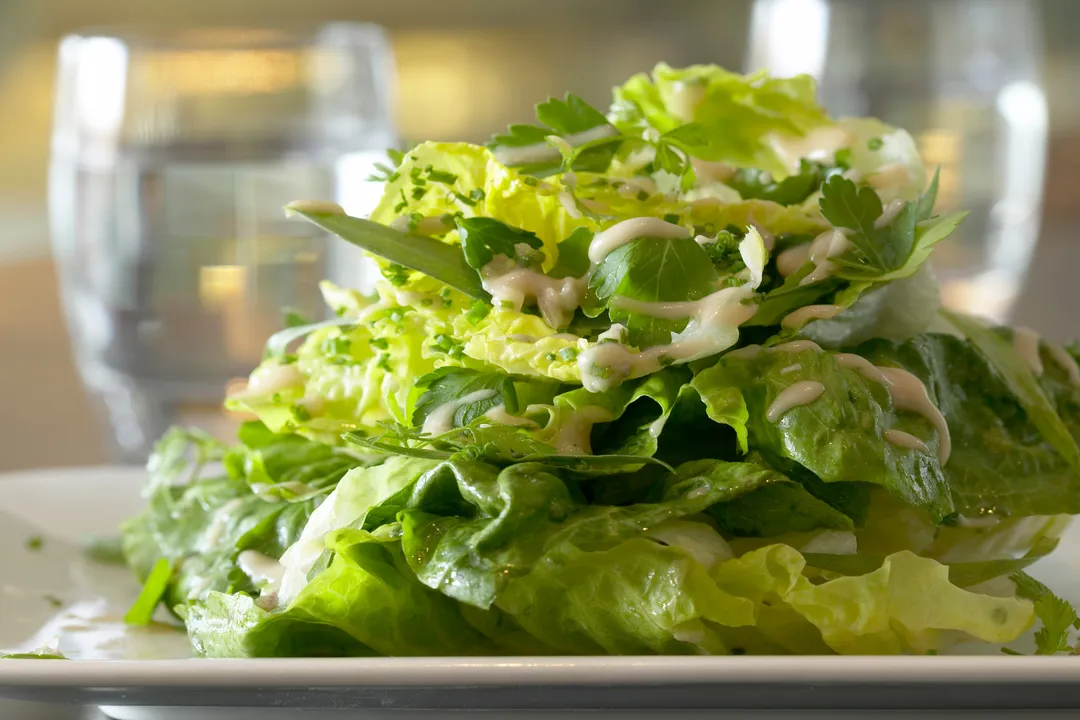
The bouchon experience is intrinsically linked to Lyon’s position as a hub for butchers and silk weavers. [2] Historically, these establishments provided simple, plentiful, and affordable meals for laborers. [4] The term bouchon itself has several proposed origins; one common story suggests it refers to the small bouquet (bouquet) of greenery hung outside a restaurant to signal it served wine, while another links it to the cork (bouchon) used to seal jugs of Beaujolais or Mâcon wine. [9][2] Regardless of the precise etymology, the environment is deliberately informal, contrasting with the solemnity often found in higher-end establishments in Paris. [3] While some modern iterations might offer cleaner aesthetics, the bedrock of the experience remains the cuisine—hearty, unpretentious, and intensely flavorful, often featuring rich sauces and ingredients historically derived from utilizing the whole animal. [4]
# Starter Selections
The opening courses (entrées) in a bouchon set the stage for the richness to come. They are characterized by cured meats, fresh salads, and preparations that highlight regional pork products. [1]
# The Essential Salad
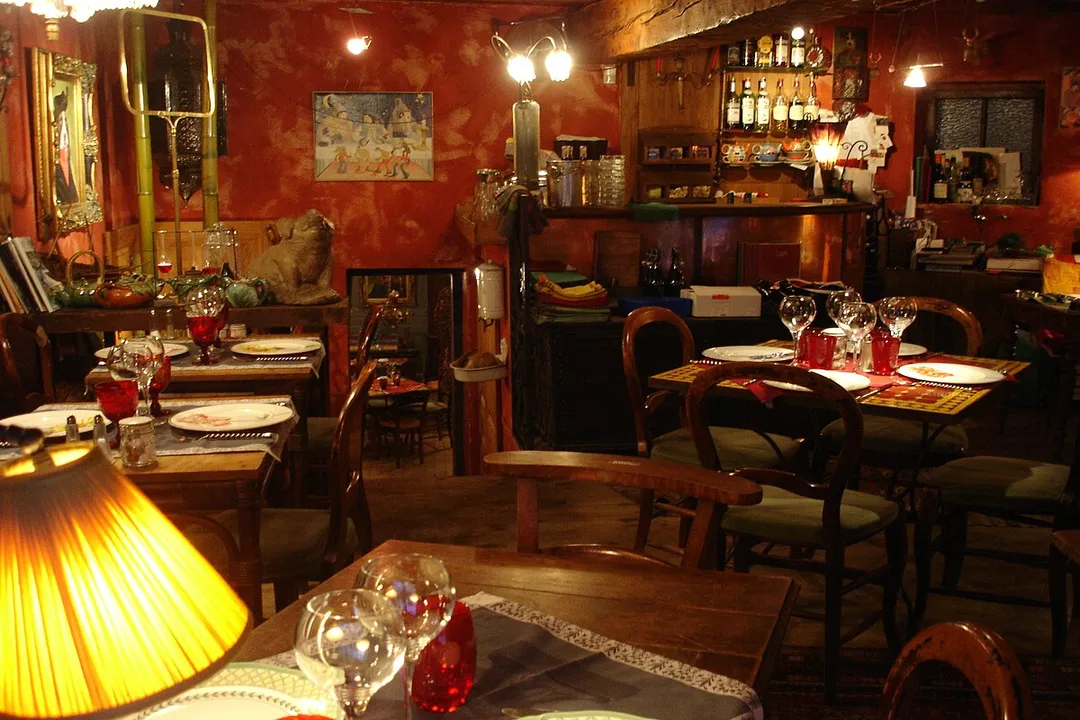
The undisputed champion of the bouchon appetizer list is the Salade Lyonnaise. [1][4] This is far more complex than a simple green salad. It features crisp, slightly bitter frisée lettuce tossed in a warm vinaigrette, usually incorporating bacon fat, which lends a distinctive savoriness. [9] Crucially, it is topped with crispy lardons (small cubes of salt pork or bacon) and, often, a perfectly poached egg whose runny yolk acts as a natural, unctuous sauce when broken. [1][9] It's a masterclass in balancing bitterness, saltiness, and richness, a perfect opening note to the meal.
# Cured Meats and Pâtés
You will frequently encounter dishes featuring local charcuterie:
- Saucisson de Lyon: A large, smooth, often air-dried sausage that is typically poached or steamed and served warm, often accompanied by potatoes or lentils. [1][9] Its texture is finer than many country sausages.
- Rillettes: A slow-cooked, shredded meat preparation (often pork or duck) preserved in its own fat. It is served cold or room temperature, designed to be spread thickly on bread. [1]
- Gougères: While often associated with Burgundy, these light, savory choux pastry puffs, baked with Gruyère or Comté cheese, are a common welcome at many Lyonnais tables, served hot from the oven. [9]
It is worth noting that while many menus present a long list of these starters, the emphasis on pork and charcuterie reflects Lyon's historical identity as a major center for butchery. Unlike the lighter, vegetable-forward starters one might find in the South of France, the bouchon begins with substantial, grounding flavors. [1]
# Main Fare Focus
The main courses (plats principaux) are where the reputation for hearty, sometimes challenging, cuisine truly shines. These dishes frequently feature organ meats, slow-cooked components, and substantial proteins served with simple, yet satisfying, accompaniments. [4][9]
# Pike and Cream
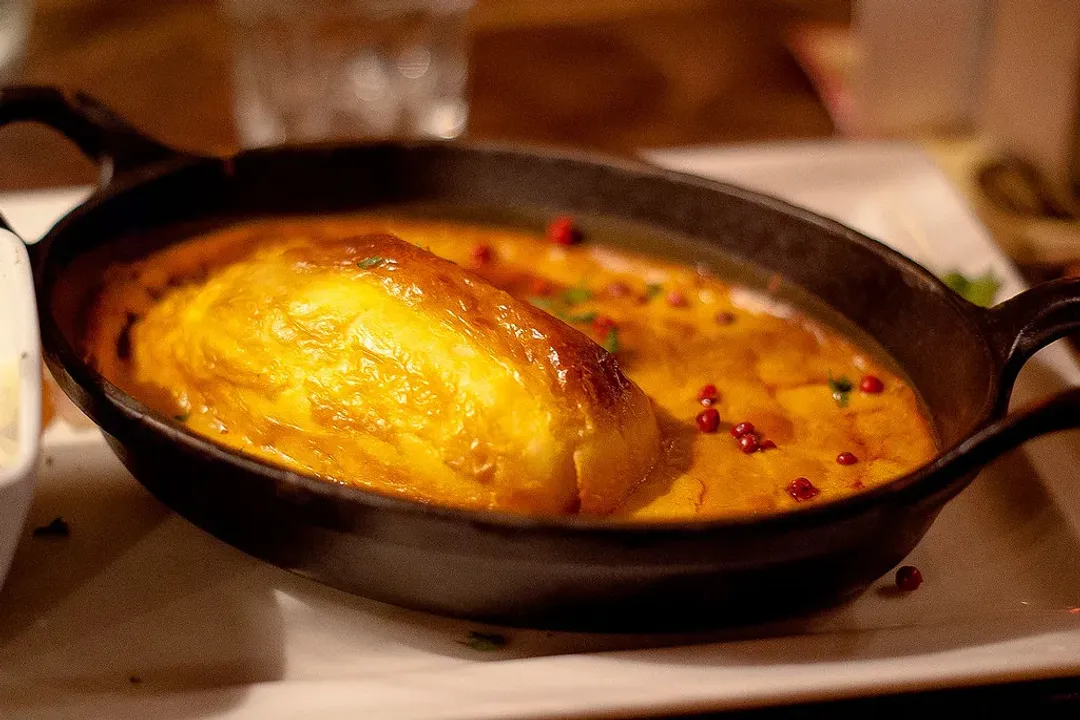
Perhaps the most refined dish to emerge from the Lyonnais tradition is the Quenelle de Brochet, Sauce Nantua. [4][9] A quenelle is a delicate, light dumpling made from minced pike (a freshwater fish) mixed with panade (a base of flour and milk/water), egg, and cream, giving it an almost mousse-like texture when cooked. [1] Traditionally, these oblong dumplings are poached gently and then baked, often topped with a rich, pinkish Sauce Nantua—a creamy crayfish reduction that requires patient preparation to extract the full flavor from the shells. [1][9] It stands as a testament that Lyonnais cooking is not only about offal, but also capable of great finesse.
# Tripe and Offal
The inclusion of offal is a definitive characteristic, showcasing the tradition of making the most of every part of the animal:
- Tablier de Sapeur: This dish translates to "fireman’s apron" and is made from beef tripe (the honeycomb part) that has been marinated, often in white wine, herbs, and spices, before being coated in breadcrumbs and deep-fried until crisp on the outside and tender within. [1][9] It is usually served with a sharp, vinegary sauce like sauce gribiche or mustard.
- Andouillette: This is a highly specific and polarizing sausage made from pig intestines and stomach, seasoned heavily, often with mustard or white wine. [9] A true Lyonnais andouillette is distinctly pungent; those unfamiliar with it are often advised to approach with caution, as its flavor profile is intense and earthy. [4]
# Other Staples
Beyond the famous offal dishes, other mains provide grounding comfort:
- Tête de Veau: Calf’s head, slow-cooked until meltingly tender, often served with a sharp sauce like sauce ravigote or sauce gribiche. [9]
- Pieds et Paquets: A specialty from the region near Marseille but found in Lyon, featuring sheep's trotters (pieds) stuffed with seasoned minced mutton (paquets) and slow-cooked in a tomato-and-white-wine sauce. [9]
- Poulet de Bresse: When poultry is featured, it is often the superior Bresse chicken, sometimes simply roasted or poached, allowing the quality of the meat to speak for itself. [4]
One subtle distinction that elevates the bouchon experience above simple tavern food is the preparation of the accompaniments. For example, while you might receive potatoes, they are often pommes de terre sarladaises (cooked in duck or goose fat) or served alongside lentils du Puy, which carry a protected status and possess a distinct, non-mushy texture even after long cooking. [1] The real skill lies in the slow cooking methods that transform tougher cuts into fork-tender experiences.
# Cheeses and Sweet Endings
The meal concludes with a transition from savory richness to delightful sweetness, often featuring regional cheese preparations before the final dessert.
# The Cheese Course
The Lyonnais approach to cheese is unique because it often involves a prepared dish rather than just a simple cheese board. The key item here is Cervelle de Canut. [1][9] Despite the name, which translates to "silk worker’s brain," it contains no actual brain matter. It is a creamy fresh cheese (fromage blanc) blended vigorously with finely minced herbs (like chives and parsley), shallots, olive oil, and vinegar. [1][9] It has a tangy, herbaceous flavor and a smooth texture, served cold and often eaten with bread or alongside roasted meats, acting as a palate cleanser or an intermediate course before dessert. [9]
# Sweet Finales
The desserts continue the theme of generous, classic French pastry work:
- Tarte à la Praline Rose: This is a visual and gustatory signature of Lyon. [4] It features a shortcrust pastry base filled with a custard or frangipane, studded generously with whole or crushed pink sugared almonds (pralines roses). [1][4] The resulting flavor is intensely sweet with a satisfying crunch.
- Île Flottante (Floating Island): A classic dessert consisting of meringue "islands" gently poached in milk and served floating on a sea of crème anglaise (vanilla custard sauce). [9]
The sheer caloric density and the combination of rich sauces, cured meats, and creamy cheese preparations suggest that the traditional bouchon meal was built for sustained energy, perfectly suited for the demanding physical labor of the city’s past artisans. [2] This historical context explains why a modern diner might feel compelled to share a main course or opt for a slightly lighter starter than tradition dictates.
# Authenticity Check
In the quest for a genuine bouchon meal today, visitors must be aware that the term is sometimes used loosely by less traditional restaurants. [4] True bouchons often display a small, official emblem or plaque indicating their adherence to Lyonnaise culinary standards, though this isn't always foolproof. [3] The menu itself is usually concise, written on a chalkboard, and reflects seasonal availability alongside the core, non-negotiable classics like Salade Lyonnaise and Quenelle de Brochet. [9] Avoid menus that list too many international dishes or overly complicated, modern presentations; the charm lies in the straightforward execution of recipes passed down through generations. [4] The true bouchon offers an experience where the food demands your full attention, reflecting the hard work and proud culinary legacy of Lyon’s working population. [2][1]
Related Questions
#Citations
Bouchon- traditional workers' cuisine | Gary J. Kirkpatrick Art and ...
Les bouchons Lyonnais, Lyon's traditional bistros
A tasty bouchon Lyonnais - Culinary Travels in France
7 of the best bouchons in Lyon to try traditional French dishes
What is a Traditional Bouchon? - Lyon Forum - Tripadvisor
What is the best bouchon lyonnais near Place Bellecour? - Facebook
3 Classic French Recipes from Chef Thomas Keller - Goop
Brasserie and bouchon lyonnais | Ecole des 3 Ponts
Bouchon - Wikipedia