What is bouchon in France?
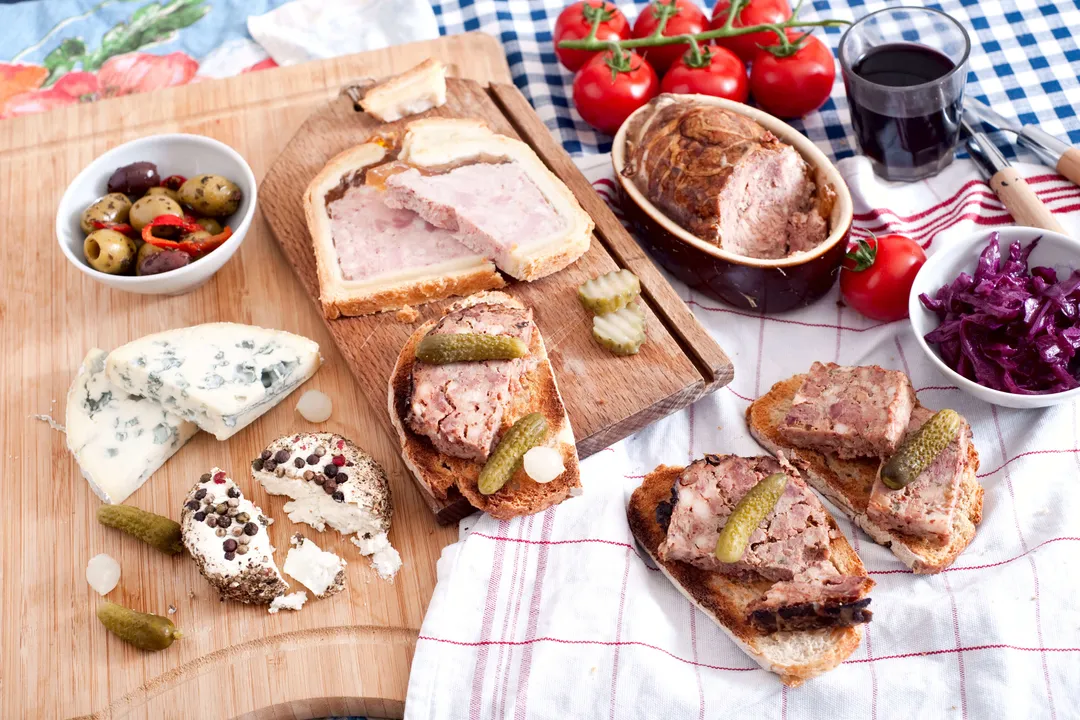
The term bouchon in France carries dual meanings, one general and one highly specific to the gastronomic capital of Lyon. Outside the Rhône-Alpes region, the word most commonly translates to a cork, stopper, or plug. [6][7] It can even refer to a traffic jam, or the cap on a bottle. [7] However, when uttered in Lyon, it conjures images of a very particular kind of traditional restaurant, one deeply embedded in the city's history and cuisine. [4][9] To pronounce this distinctive Lyonnaise term correctly, one should aim for "boo-shon". [3]
# Lyonnaise Tradition
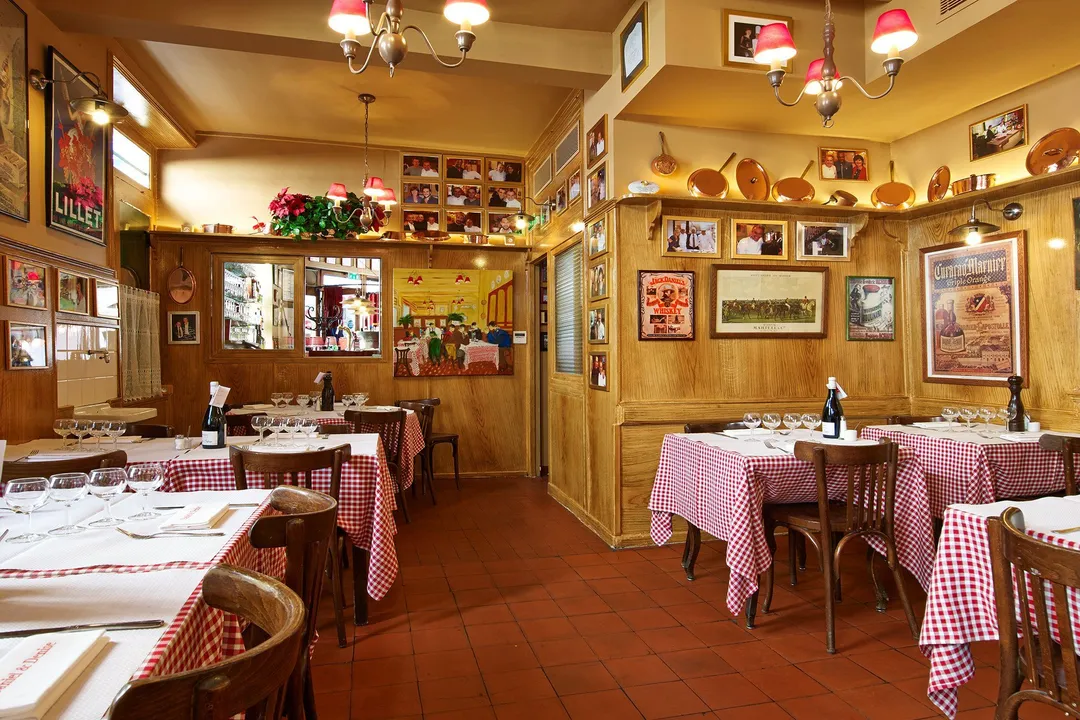
The bouchon lyonnais is far more than just a place to eat; it represents a specific, convivial dining experience unique to Lyon. [4][9] These establishments are cherished as custodians of authentic Lyonnaise cooking, often housed in small, warm settings. [4][9][10] Historically, the name may have derived from the corks used to seal wine pitchers or perhaps from the bundles of cloth (bouchons) that silk workers used to plug their looms at the end of the day. [1][4] Regardless of the exact origin, the essence today is one of unpretentious, hearty regional fare served in an intimate setting. [4][9]
# The Setting
The atmosphere inside a true bouchon is part of its appeal. Readers should expect a setting that feels cozy and welcoming, a departure from formal fine dining. [4] Often, the decor involves low ceilings, simple wooden furniture, and perhaps checkered tablecloths, cultivating a sense of familiarity and warmth. [4][9] These aren't places known for sprawling space or overly modern aesthetics; the charm lies in their lived-in authenticity and the close proximity of fellow diners, which encourages sociability. [5][10] It’s an environment built around savoring rich food and good company, often where you might see wine served directly from a small carafe, known as a pot. [4][9]
# Culinary Offerings
The menu at a bouchon is firmly rooted in the rich, substantial traditions of Lyonnaise gastronomy. [4][9] These dishes are hearty, often utilizing offal and ingredients that speak to the region's agricultural past. [4][9] If you are visiting one of these characteristic eateries, you are likely to encounter specific regional staples that define the bouchon experience.
Key items frequently featured include:
- Salade Lyonnaise, typically a simple yet perfect composition of frisée lettuce, croutons, lardons, and a perfectly poached egg. [4][9]
- Rich preparations like quenelles de brochet (pike dumplings, often served in a creamy sauce). [4]
- Regional cheeses or spreads like cervelle de canut (a fresh cheese preparation mixed with herbs). [4]
- More adventurous, traditional meat dishes such as tablier de sapeur (marinated tripe) or tête de veau (calf’s head). [4][9]
Portions are characteristically generous, reflecting the satisfying, rustic nature of the cuisine. [9] The focus is on flavor derived from tradition, not necessarily on light presentation. [4]
Considering the richness of the fare, it might be worth noting that the traditional serving of wine in a small pot is less about a specific vintage and more about sustained hydration and complement to the heavy sauces and meats. Unlike dining in many other regions where wine is ordered by the bottle with some formality, the pot encourages constant refreshment throughout the meal. This small detail speaks volumes about the unhurried, food-centric pace expected inside these historic walls. [1][4]
# Labeling Authenticity
Because the term bouchon has become internationally recognized as a hallmark of Lyonnaise quality, the local community has taken steps to protect its meaning against less authentic interpretations. [9] This effort resulted in the creation of an official designation: Les Bouchons Lyonnais. [4][9]
This label is not given out lightly; it serves as a guarantee for the diner, signaling that the establishment adheres to strict criteria concerning the quality of products, adherence to traditional recipes, the warmth of the welcome, and the ambiance. [4][9] When a restaurant displays this official mark, it suggests a commitment to upholding the historical and culinary standards associated with the real bouchon experience. [4]
For the discerning traveler seeking the genuine article without relying solely on the official seal, one can develop a personal quality checklist based on the label’s requirements. A truly authentic place should showcase a menu emphasizing traditional Lyonnaise dishes, offer wine in a pot, and present an atmosphere that prioritizes conviviality over slick, modern design. If the menu reads like a survey of French regional cuisine rather than a list of Lyonnaise specialties, or if the interior feels sterile, it is likely leaning more toward a general bistro concept than a true bouchon. [8][9]
# Regional Distinction
It is helpful to understand how the bouchon fits within the broader spectrum of French casual dining establishments, as it is easily confused with its cousins, the bistrot and the bouillon. [8]
The fundamental difference lies in geography and specialty. A bouchon is geographically anchored to Lyon and specializes in Lyonnaise cuisine. [4][8]
Comparatively, the bistrot is a more general term for a small, traditional French restaurant that serves established, often comforting, French food, but it lacks the strict regional culinary mandate of the bouchon. [8] While a bouchon must be Lyonnaise, a bistrot can exist anywhere and serve varied French classics. [8]
The bouillon, on the other hand, has its roots largely in Paris. [8] Historically, bouillons were created to serve large numbers of workers high-quality, inexpensive food quickly. [8] They tend to be much larger venues than the intimate bouchons. [8] Furthermore, in the north of France, one might encounter an estaminet, which serves its own distinct regional cooking, placing it outside the Lyonnaise sphere entirely. [8]
To summarize these differences, one can visualize a small matrix of regional dining concepts:
| Establishment Type | Primary Region | Defining Characteristic | Typical Size |
|---|---|---|---|
| Bouchon | Lyon | Strict adherence to Lyonnaise traditional cuisine | Small, intimate [4][10] |
| Bistrot | General France | Casual, serving general French classics | Varies, often small [8] |
| Bouillon | Paris (Historical) | Inexpensive, quick service for the masses | Large [8] |
| Estaminet | Northern France | Regional specialties of the North | Varies [8] |
This comparison illustrates that the bouchon is a highly specialized type of restaurant, making its existence in Lyon a testament to the city's pride in its culinary heritage. [4][9] It is an experience valued for its deep local connection, something that a general bistrot might imitate but cannot replicate without the specific historical and geographical context. [8] The simplicity of the name belies the depth of the culinary tradition it represents within Lyon. [4]
Related Questions
#Citations
Bouchon - Wikipedia
What is a Bouchon? - Meaning, Description - On the Line - Toast POS
Bouchon – french, sounds like bu-shon - Darden Travels
Les bouchons Lyonnais, Lyon's traditional bistros
What is a Traditional Bouchon? - Lyon Message Board - Tripadvisor
BOUCHON | translate French to English - Cambridge Dictionary
Bouchon (Cork, traffic jam) - French Word of the Day
Bouillon, bouchon, estaminet, bistrot… What are the key differences ...
Lyon's bouchons: everything you need to know - France.fr
What is a Bouchon Restaurant in Lyon, France? | ThisisLyon.fr