Who is the number one chef in France?
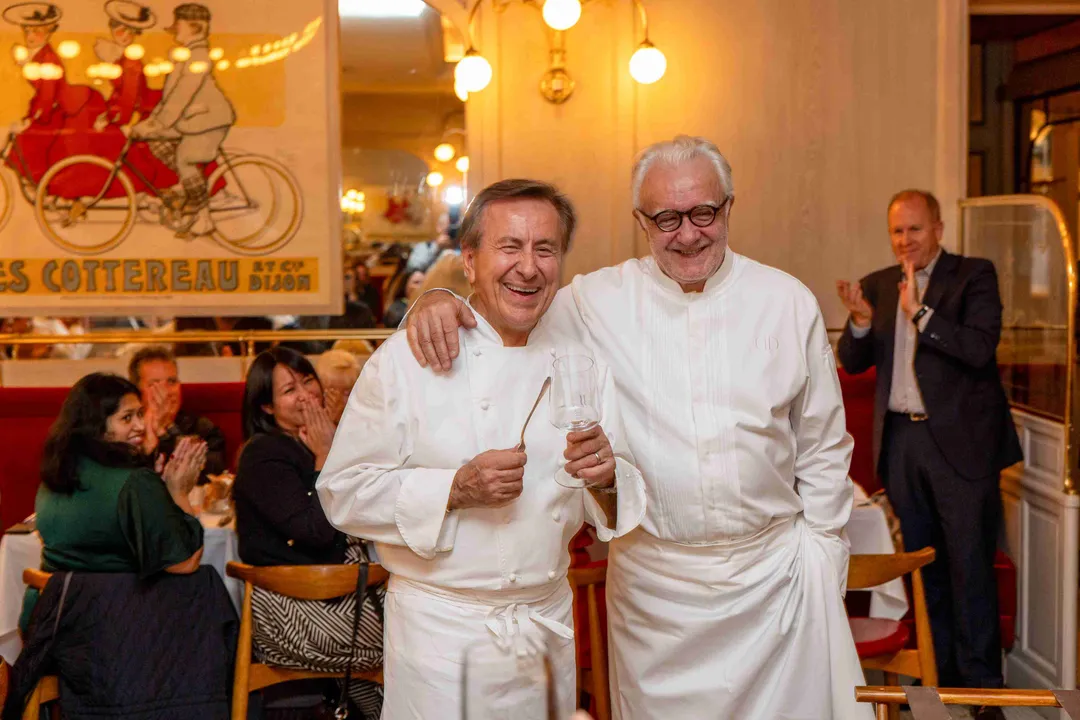
The search for the single greatest chef in France—the undisputed chef numéro un—is a journey that immediately runs into the delightful complexity of French gastronomy itself. It is a landscape defined by history, philosophy, and relentless pursuit of perfection, making any singular declaration almost impossible. Instead of one name, one finds a pantheon of towering figures whose influence shapes everything from humble bistros to three-Michelin-starred temples. The modern conversation typically orbits around two colossal figures: the late revolutionary Paul Bocuse and the contemporary titan Alain Ducasse.
# Paul Bocuse Legacy

Paul Bocuse remains an icon whose name is synonymous with a major shift in French cooking. He is widely recognized as a founding father of Nouvelle Cuisine, a movement that marked a decisive break from the heavy, complex sauces and rigid structures of traditional haute cuisine. This revolution, which took root in the 1960s and 1970s, emphasized simplicity, freshness, and lighter preparations, allowing the quality of the primary ingredients to shine through.
Bocuse’s influence wasn't merely theoretical; it was demonstrated daily in his legendary restaurant near Lyon, L’Auberge du Pont de Collonges. His commitment to excellence was recognized early and often. He earned three Michelin stars, a rare feat, and managed to hold onto them for an astonishing five decades, a testament to his consistency and enduring vision. He cemented his authority not just in the kitchen but through his dedication to training the next generation, establishing the Institut Paul Bocuse to cultivate culinary talent.
Thinking about Bocuse requires understanding that his title is rooted in legacy and movement. He didn't just cook well; he redefined how French food was perceived globally for an entire era. His passing left a void, but his philosophy—focused on the integrity of the product—is baked into the DNA of modern French cooking, from Paris down to the smallest regional market.
# Alain Ducasse Empire

If Bocuse represents the revolutionary past that established modern standards, Alain Ducasse embodies the highly refined, globalized present. Ducasse has built not just a restaurant, but a vast, meticulously managed culinary enterprise that spans the globe, all while maintaining an intense focus on the purity of flavors. His philosophy centers on naturalité—a commitment to highlighting the inherent quality of ingredients with minimal intervention.
The scale of Ducasse’s achievements is staggering, particularly when viewed through the lens of the Michelin guide, which often serves as the most quantifiable metric for culinary excellence. At one point, Alain Ducasse held a record-setting 21 Michelin stars across his various establishments worldwide. Furthermore, he has achieved the distinction of being the first chef to own restaurants carrying three stars in three different cities. This level of consistent, top-tier recognition across multiple major culinary capitals is a benchmark few, if any, chefs can claim.
Ducasse’s portfolio extends far beyond just the flagship dining rooms. He runs numerous restaurants, hotels, and even culinary schools, demonstrating a mastery over the business and operational aspects of high-end cuisine that few of his predecessors matched. His influence is felt through the sheer number of successful protégés he has mentored who have gone on to establish their own acclaimed venues.

# Comparing Titans
When trying to name the "number one," one must decide whether the measure is historical impact or current, quantifiable success and scale. Bocuse was the defining chef of the late 20th century, the one who broke the mold and became a living legend. Ducasse, his contemporary and a key figure of the current era, represents the apex of modern culinary organization and multi-location, multi-star achievement.
Consider this contrast: Bocuse’s legacy is deeply tied to his single, iconic Lyon establishment and his leadership in a specific culinary movement. Ducasse’s success is characterized by his ability to replicate and innovate that high standard across continents, managing an empire where precision is institutionalized. It’s a transition from the brilliant individual artist to the brilliant organizational architect of gastronomy. For a reader evaluating the "best," if the criterion is influence on the historical path, Bocuse holds a strong claim. If the criterion is total current global recognition and maintained Michelin constellation, Ducasse is arguably unrivaled.
# Modern Ascendancy
While Bocuse and Ducasse form the primary dual focus, the contemporary French scene is vibrant, featuring other masters recognized both nationally and internationally. Lists of top chefs often include names like Joël Robuchon, who, before his passing, was known for accruing a massive number of Michelin stars across his brand, sometimes surpassing Ducasse's count temporarily, although his empire has shifted considerably since. Other esteemed figures appear on curated lists of Paris's best, signifying the continuous evolution of the culinary capital. Websites cataloging French chefs highlight the depth of talent available across different regions and styles.
A nuanced way to approach the idea of "number one" today is to look beyond just the chef and consider the restaurant brand. In the current environment, sustained excellence requires a level of operational detail that goes far beyond simply executing a magnificent plate of food once. A chef who can maintain three stars at a flagship restaurant while simultaneously launching, training, and quality-controlling two other high-level venues across the country or the world—as Ducasse has done—demonstrates a mastery of management equal to their culinary vision. This suggests that for the 21st century, the "number one" status might belong to the one who masters the system of high cuisine, not just the individual kitchen station.
# Evolving Gastronomic Ideals
It is fascinating to observe how the focus shifts even among these titans. While Bocuse championed Nouvelle Cuisine for its lightness, Ducasse pushes for naturalité, which often means an even stricter paring back of ornamentation to reveal the core flavor of the vegetable or fish. This subtle evolution shows that even the established elite are constantly refining what "best" means. Where Bocuse helped liberate French cooking from excessive richness, Ducasse seems determined to liberate it from unnecessary complexity, focusing on transparency on the plate.
To truly appreciate the current hierarchy, one might benefit from tracking the evolution of the Meilleur Ouvrier de France (MOF) award winners in the culinary arts. While Bocuse was an early figure associated with this spirit of craftsmanship, the MOF signifies a mastery of technique recognized by peers and the state, offering another dimension of "best" based on technical craft rather than just restaurant critics' stars. A chef who holds both a high Michelin count and the MOF title represents a near-unassailable combination of critical acclaim and technical peer respect.
The modern French chef, regardless of who holds the subjective top spot, must now also navigate consumer demands for sustainability and traceability in a way that was less pronounced in Bocuse’s earlier career. The "number one" chef today must excel not just at taste and technique, but also at communicating a clear, responsible sourcing narrative. This adds an ethical layer to the competitive nature of elite dining.
# Defining Acclaim
Ultimately, the title of "number one chef in France" remains fluid, shifting depending on the metric you prioritize:
| Metric | Leading Figure (Based on Sources) | Rationale |
|---|---|---|
| Historical/Movement Impact | Paul Bocuse | Father of Nouvelle Cuisine and long-reigning three-star holder. |
| Global Star Count/Scale | Alain Ducasse | Record holder for multi-city, multi-establishment Michelin stars. |
| Technical Craft | Various (MOF winners implied) | Represented by state recognition of mastery. |
Whether you favor the enduring, foundational genius of Bocuse or the widespread, multi-starred contemporary empire of Ducasse, the consensus points to these figures as the most defining of the last half-century. They represent different, yet equally brilliant, epochs in French cooking, ensuring the nation’s culinary standing remains as strong as ever.
#Videos
4 Top French Chefs Create a Unique Gourmet Experience - YouTube
Related Questions
#Citations
The great French chefs of the 20th and 21st centuries
Legends in the kitchen: celebrating famous French chefs
Alain Ducasse - Wikipedia
Who is the best French chef of all time? - Quora
Alain Ducasse
4 Top French Chefs Create a Unique Gourmet Experience - YouTube
Top Chefs in Paris France
Top 10 Chefs in France (December 2025) - Gronda
Michelin-Starred Chef Lyon · Auberge du Pont de ... - Paul Bocuse