What is a bouchon pastry?
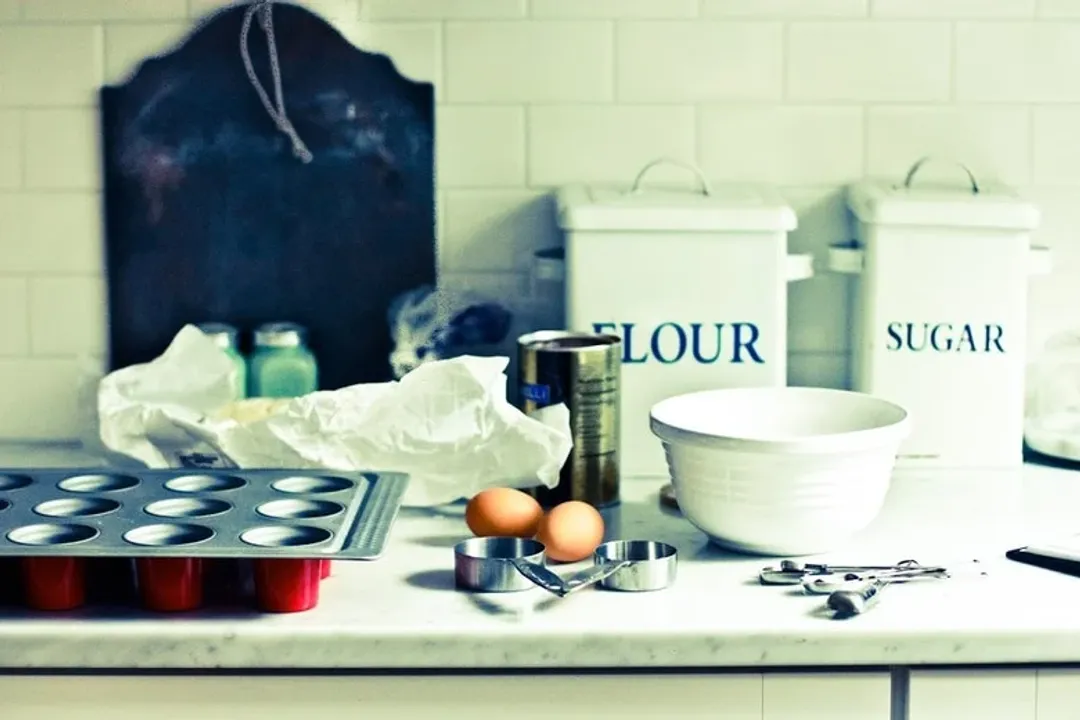
The very name bouchon hints at something small, perfectly formed, and perhaps related to a cellar. In French, the word translates directly to "cork", [3][8] which immediately explains the signature appearance of this celebrated little treat. While the term could theoretically apply to various small pastries, in modern, high-end baking circles, it almost exclusively refers to the Chocolate Bouchon, a bite-sized confection known for its intense flavor and satisfying texture. [8][9] If you’ve ever enjoyed dessert at Thomas Keller’s establishments or visited his famed Bouchon Bakery, you have likely encountered one of these dense, dark morsels. [1][2][7]
# The Cork Shape
The most defining physical characteristic of the bouchon pastry is its shape, which mimics the cork used to seal a wine bottle. [3][6][7] This distinctive form is not arbitrary; it is a direct nod to the pastry's roots in wine country—specifically, Napa Valley, California. [7] The small, rounded top tapers down to a slightly narrower base, making it instantly recognizable on a platter. [3] This unique mold is essential; without it, while the flavor profile might be present, the confection wouldn't carry the traditional name or visual association. [1]
# Texture Analysis
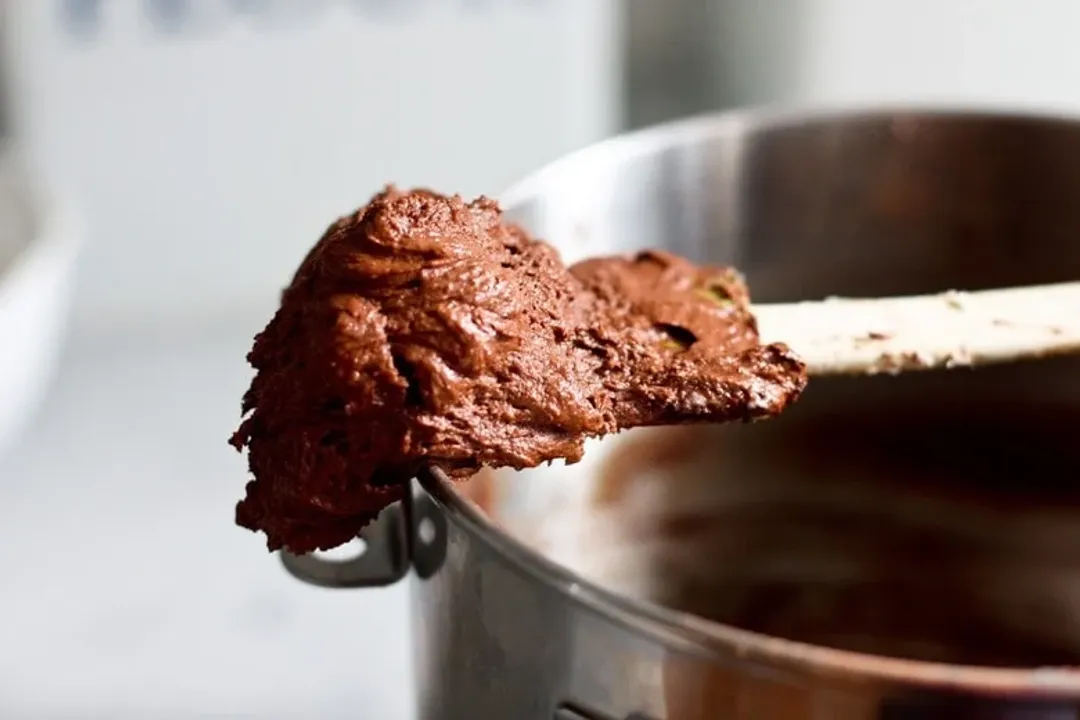
Understanding what a bouchon is requires diving deep into its structure, which often defies easy categorization. It manages to occupy a space somewhere between a traditional cake and a classic brownie, leading many bakers and tasters to describe it as a hybrid. [1][6]
Some define it primarily by its richness, calling it a small, intensely flavored chocolate cake. [2][8] However, if it leans too far toward cake, it loses the essential experience. The most acclaimed versions possess a decided chewiness and a dense, almost fudgy interior. [6] This suggests a higher ratio of fat and chocolate to leavening agents compared to a standard cake batter. [9] The goal is often a texture that yields satisfyingly when bitten, offering resistance similar to a good fudge brownie, rather than crumbling easily like a sponge cake. [6]
To achieve this specific structural balance—neither fully brownie nor fully cake—requires careful attention to ingredient ratios and baking time. A home baker attempting to replicate a perfect bouchon might find that slightly underbaking, as one would for a fudgy brownie, is the key to retaining that moist, dense quality that prevents it from drying out too quickly, especially given its small size. [1][9] The small volume means it can transition from perfectly moist to dry very rapidly in the oven. [1]
# Culinary Lineage
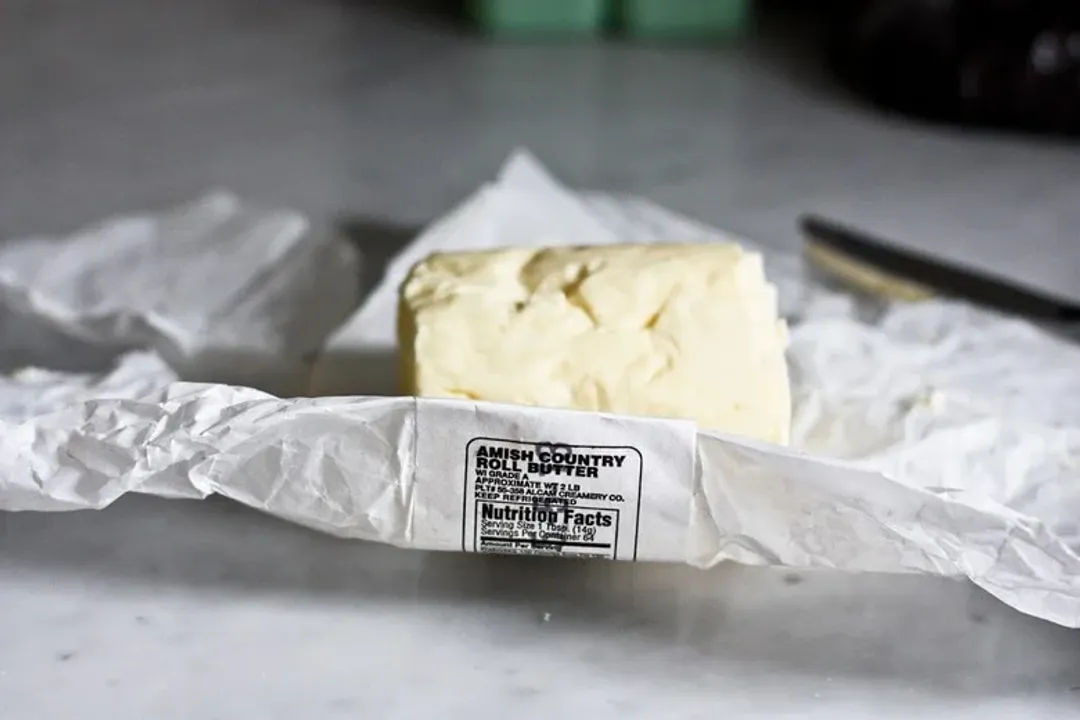
The popularity and standardization of the chocolate bouchon are intrinsically linked to the culinary expertise of chef Thomas Keller. [1][2][7] While the concept of a rich, small chocolate confection is certainly not new to French or American baking, Keller popularized this specific iteration through his renowned restaurants and bakeries in Yountville, California. [7]
Keller’s establishment, The French Laundry, and subsequently Bouchon Bakery, served these distinctive treats, cementing their status as an iconic element of Californian culinary innovation rooted in French technique. [2][7] They often appear as petite mignardises—small sweets offered after the main dessert course—in fine dining settings. [1] This context elevates the bouchon from a simple cookie to an intentional, luxurious final bite meant to conclude a meal with a flourish. [1] The link to Bastille Day celebrations in Napa Valley further underscores their contemporary cultural relevance in that region. [7]
# Key Distinctions
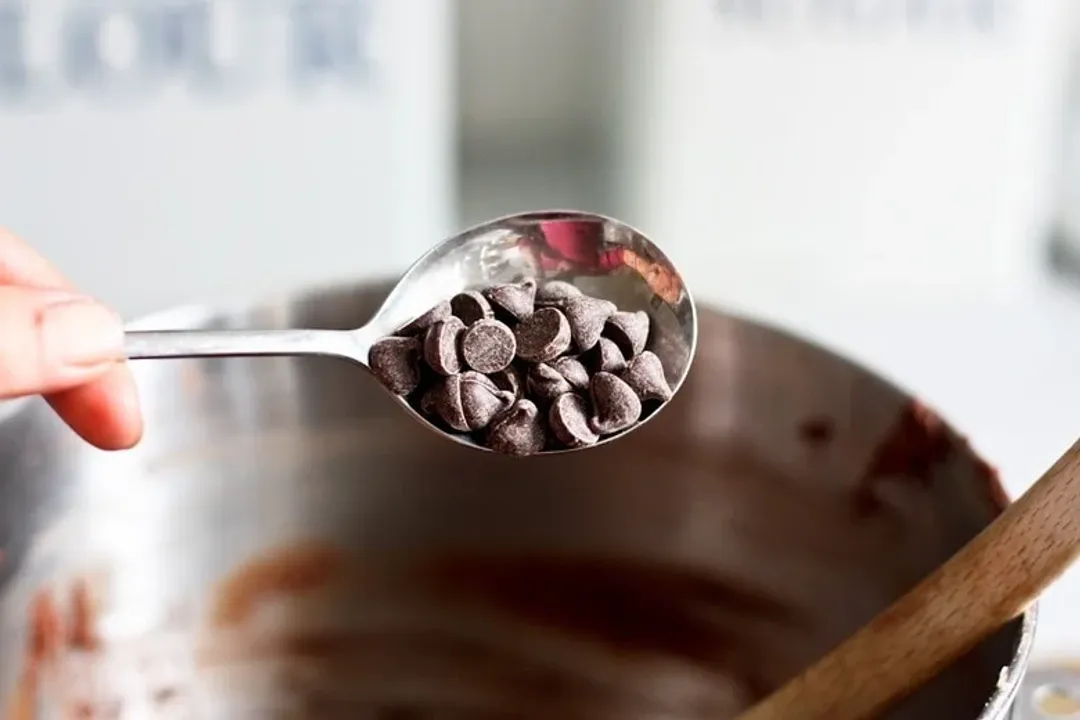
To better appreciate the specific qualities of the chocolate bouchon, it can be helpful to contrast it with similar baked goods:
| Feature | Chocolate Bouchon | Classic Brownie | Financier Cake |
|---|---|---|---|
| Primary Texture | Dense, moist, chewy hybrid | Fudgy or cakey, usually square cut | Moist, light, nutty (brown butter) |
| Shape | Molded like a wine cork | Cut into squares or bars | Small, rectangular (boat-shaped mold) |
| Flavor Focus | Intense, deep chocolate | Strong chocolate; often includes nuts | Brown butter, almond flour |
| Size | Very small, individual bite | Medium serving slice | Small, individual portion |
| Origin Context | Thomas Keller / Napa Valley | General American classic | French (associated with almonds/brown butter) |
| [1][2][3][6][7] |
The fact that the bouchon requires a specific mold separates it immediately from the financier, which uses a different, though equally small, shape. [3][7] While a brownie offers chewiness, the bouchon often carries a more refined, almost cake-like crumb structure within that chew. [6] Think of it as maximizing the richness of a brownie while striving for the delicate mouthfeel that characterizes finer French pastry work. [2]
# Ingredients and Method Insight
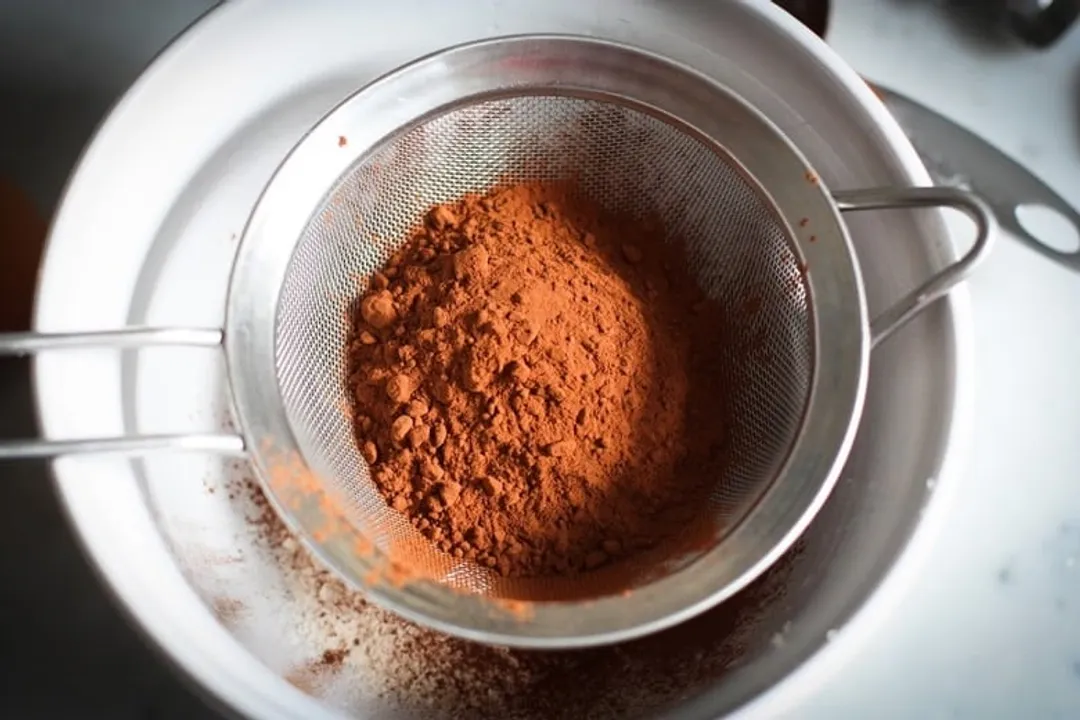
While recipes vary slightly, the core components remain consistent with high-quality chocolate baking: quality dark chocolate, butter, eggs, sugar, a small amount of flour, and perhaps a hint of cocoa powder for depth. [9] The quality of the chocolate is paramount, as it forms the foundation of the flavor profile. [8][9] Because the pastry is small and rich, there is little room for other strong flavors to dominate; the focus must remain squarely on the dark chocolate notes. [1]
One fascinating aspect of working with this small format is the role of the fat content relative to the structure. A successful bouchon relies heavily on the balance between the melted chocolate and butter solids and the structure provided by the egg proteins and minimal flour. [1] If the flour content is too high, the rich, fudgy center collapses into a dense, dry crumb that loses its signature chew. [6] Conversely, too little structure results in a puddle of intensely flavored ganache rather than a true pastry. [3] Achieving that perfect structural integrity that allows it to hold its cork shape while remaining tender is where the baker's expertise truly shows. [1]
# Serving Traditions
The chocolate bouchon is designed to be a concentrated burst of flavor rather than a volume-based dessert. This characteristic dictates how it is best enjoyed. [8]
They are typically quite small—often only about two inches high—making them ideal as:
- A post-dinner mignardise. [1]
- A rich accompaniment to a strong espresso or after-dinner digestif. [2]
- A single, satisfying treat during an afternoon break. [8]
Because of their richness, consuming more than one or two at a sitting can be overwhelming, which reinforces their function as an intense, concluding note to a meal. [2] They are wonderfully portable, too, a trait that likely aided their rise in popularity outside of Keller's brick-and-mortar locations. [7]
# Beyond Chocolate
While the Chocolate Bouchon dominates the conversation—and certainly forms the basis of the resources reviewed here—it is worth noting that the bouchon shape is sometimes applied to other small cakes or cookies in pastry kitchens that seek to replicate Keller's success or experiment with the form. [3] Think of it as a versatile mold. A lighter, vanilla-based cake batter or even a blondie-style mixture could be baked in the cork mold. However, these variations lack the established identity and the profound depth of flavor that the chocolate version carries. [1][8] When most people today refer to a bouchon pastry, they are signaling a desire for that specific, intensely dark chocolate experience that has become a hallmark of modern American pastry culture. [7]
The enduring appeal of the chocolate bouchon lies in this masterful combination of concept, execution, and context. It takes the familiar comfort of a brownie, refines its texture through professional technique, dresses it in a charming, thematic shape referencing wine culture, and presents it as a jewel-like finale to a meal. [1][7] It’s a small package delivering significant impact, a quality that ensures its continued presence on dessert menus and in home baking projects alike. [2][8]
#Videos
Chocolate Bouchons - Bouchons au chocolat - YouTube
Related Questions
#Citations
Chocolate Bouchons | Karen's Kitchen Stories
Chocolate Bouchon Recipe | Feasting At Home
Bouchon! - :pastry studio
Chocolate Bouchons - Bouchons au chocolat - YouTube
Chocolate bouchons, rich chocolate cakes - Facebook
Bouchon Bakery, Bouchon Recipe | Angry Cherry - WordPress.com
Celebrating Bastille Day in Napa Valley with Chocolate Bouchons
What is a Bouchon pastry? - PastryWala Hub - Quora
Thomas Keller's Chocolate Bouchons (French brownie cakes)