Is breakfast a time or a meal?
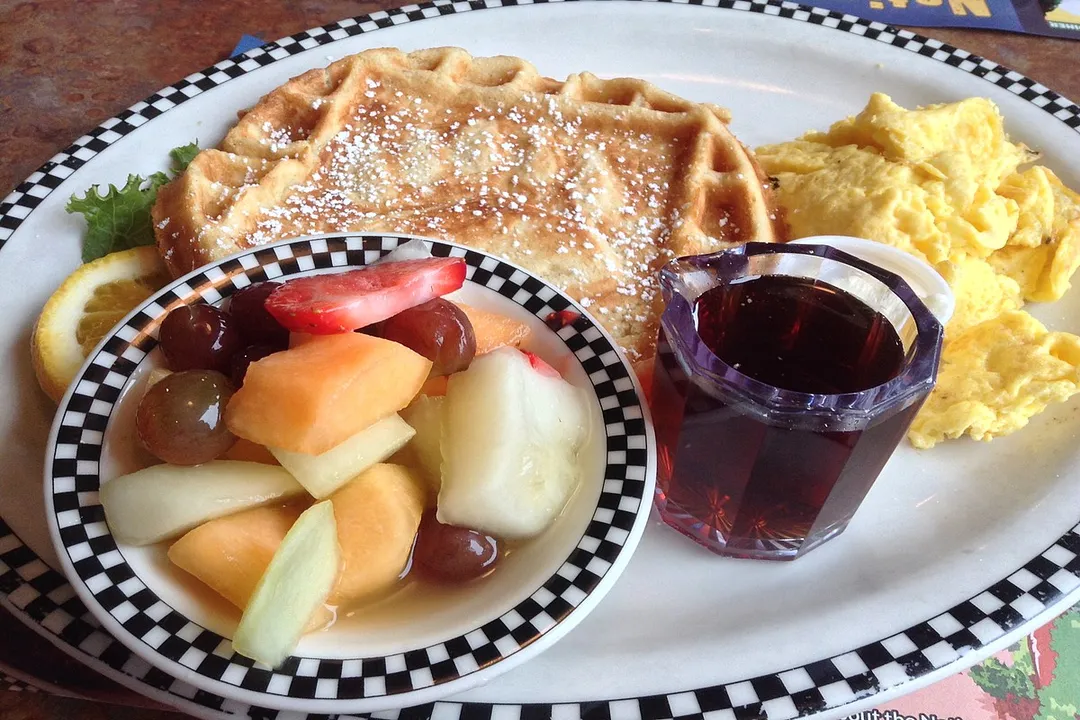
This question—is breakfast a time or a meal—is one of those fascinating linguistic debates that reveals more about cultural habits than scientific fact. It’s a point of contention that surfaces across online forums, pitting etymology against common usage, and personal schedules against societal norms. For many, the answer is intrinsically linked to the clock, while for others, it hinges entirely on sequence: it is the first thing you eat, regardless of when that happens. [1][2][4]
The very word breakfast seems to offer a definitive clue. In English, it literally means to "break the fast," referring to the period of not eating during sleep. [3][4] This literal construction strongly implies that the timing of the meal is irrelevant to its name, only that it follows a period of fasting. [4] If you wake up at 2:00 PM after a late night of work, and your first ingestion of calories follows that sleep, by the word's construction, it is breakfast. [1] However, language rarely adheres strictly to etymological roots; it adapts to what large groups of people understand and practice. [4]
# Sequence vs. Slot
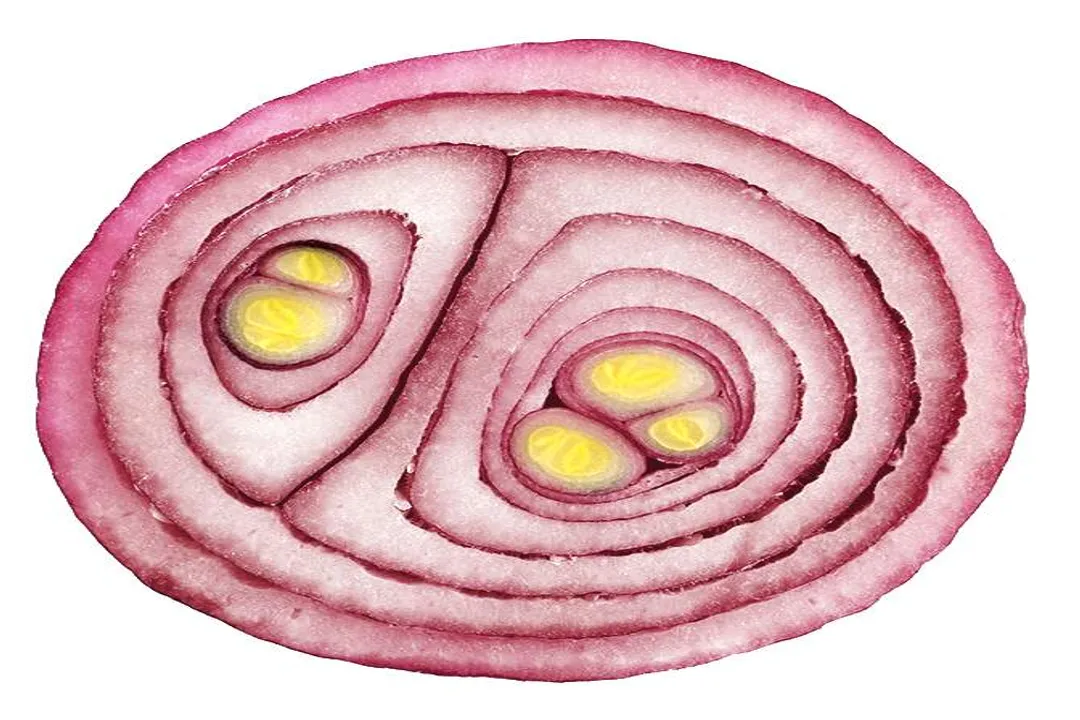
The core of the argument lies in whether sequence (the first meal) or time slot (morning hours) governs the naming convention. [2]
Proponents of the sequence definition point out the absurdity of telling someone who works the night shift that their 8:00 AM meal isn't breakfast because it's too early for a typical schedule. If a person wakes at 7:00 PM, eats, and then goes to sleep, that first meal is conceptually their breakfast, regardless of the time on the clock. [1][6] This view is supported by the historical context that dinner once meant the meal taken to break one's fast, before the term shifted to mean the main midday or evening meal. [3] The idea that breakfast is intrinsically linked to the first action after waking—breaking the fast—is a powerful argument for sequence. [1][4]
Conversely, the time slot definition relies heavily on social convention, tradition, and commercial standardization. In many cultures, breakfast is strongly associated with the morning hours, typically before noon. [3] This is evident in the widespread practice of restaurants having strict cut-off times, like 11:00 AM, for serving "breakfast" items. [4] If someone wakes up at the conventional time, say 7:00 AM, but chooses not to eat until 1:00 PM, many people would argue they have skipped breakfast and are now having lunch. [2] In this context, the time dictates the label, and the individual has missed the opportunity for the first meal of the established daily rhythm. [2]
# Food Type Association
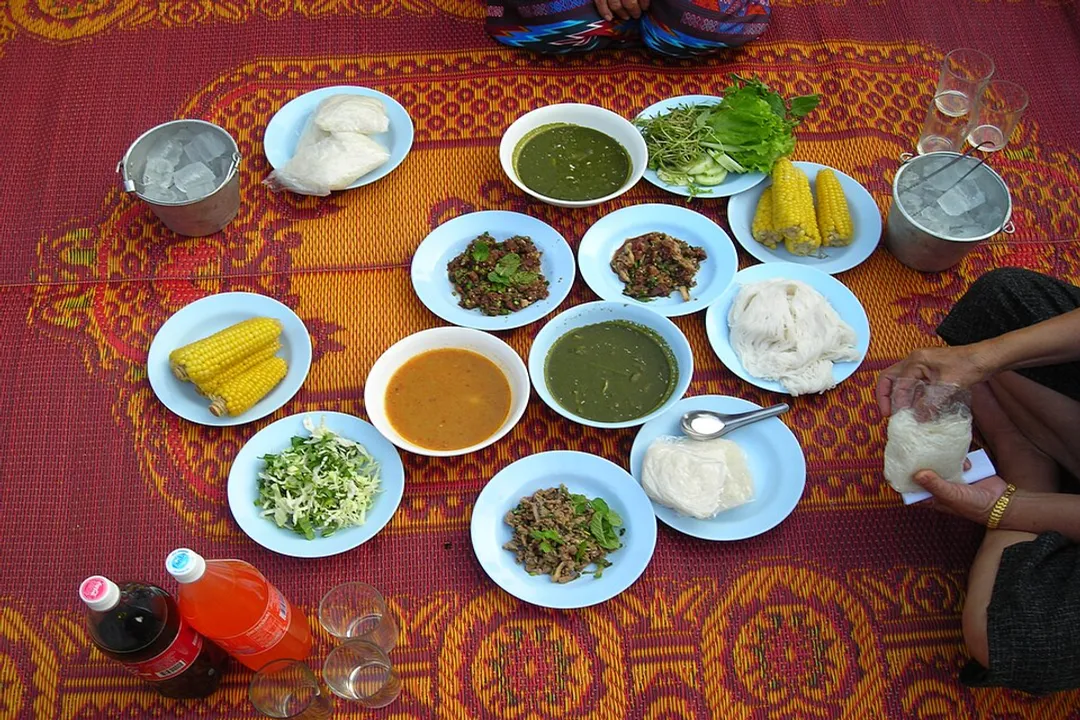
An important complication in this debate is the role of food type. Many people, particularly in the United States, conflate the meal name with the food traditionally served during that time slot (eggs, bacon, pancakes, cereal). [3][4] This leads to the common, though often debated, phrase "breakfast for dinner," which almost universally means eating breakfast-type food in the evening. [4]
If breakfast were only defined by sequence, saying "I'm having eggs and bacon for dinner" would seem linguistically parallel to saying "I'm having pizza for breakfast." The existence and common understanding of "breakfast for dinner" suggest that, in popular vernacular, the food has become strongly associated with the meal name. [4] However, many people resist this, insisting that eating leftover pizza at 9:00 AM is perfectly acceptable and is, definitionally, breakfast because it breaks the overnight fast. [4] The insistence on savory over sweet, or specific items like eggs, highlights a cultural prescription that overrides the simple act of breaking the fast. [4]
# Cultural and Historical Variations
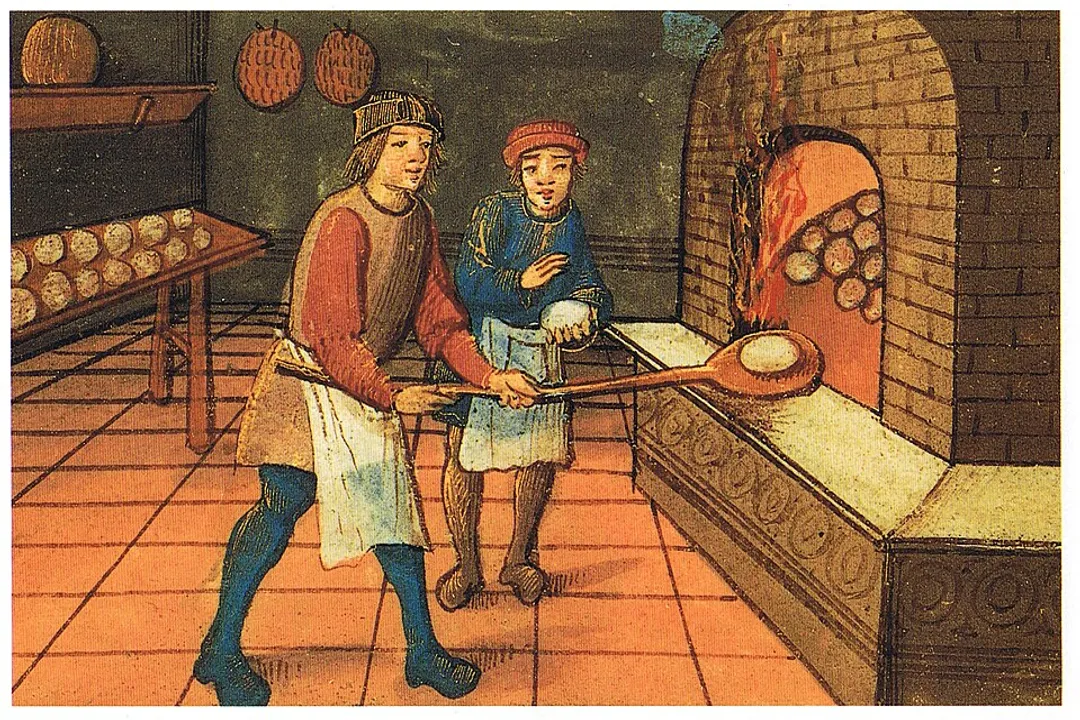
To appreciate the relativity of this definition, one must look globally and historically. The traditional British morning meal before 1600 often included bread, cold meat or fish, and ale. [3] In Ancient Rome, the first meal, ientaculum, was eaten very early, perhaps as early as 3:00 or 4:00 in the morning, and consisted of staples like bread, cheese, and leftovers. [3] Historically, in the European Middle Ages, eating breakfast was often a sign of being poor or a laborer needing sustenance for hard physical work; the upper classes often reserved their energy for a large midday dinner. [3] This shows that what constitutes breakfast has shifted dramatically based on societal structure and necessity, not just the clock.
Furthermore, different regions have distinct norms. In the Caribbean, for instance, breakfast has been documented as a midday meal in some contexts. [3] In parts of France, the term déjeuner literally means "breaking the fast" but is used for lunch, while lunch in Switzerland might be called déjeuner—illustrating how the same root meaning can migrate across the meal sequence in different languages. [4]
# Beyond the Binary: A New Framework
When faced with conflicting definitions, it's useful to step back and analyze why we categorize meals at all. The traditional separation into three main meals—breakfast, lunch, and dinner—is largely a cultural construct tied to the solar day and typical work/school schedules. [2]
Consider the implications for modern lifestyles, which often deviate significantly from the medieval or even early 20th-century norm. The rise of shift work, remote employment, and intentional eating patterns like Intermittent Fasting (IF) directly challenge the fixed time slot idea. [4] Someone on a 16/8 IF schedule might not eat until 1:00 PM. If they wake at 9:00 AM, they have fasted for 13 hours. That 1:00 PM meal is undeniably breaking the fast, making it breakfast in function, even if the calendar time suggests lunch. To insist it is lunch ignores the physical state of the body, which has indeed completed a long fast.
Here is where we can develop a practical, functional understanding that accommodates modern life. We can separate the label from the function and the content.
Functional Labeling: The most robust definition is the functional one: Breakfast is the meal that terminates the overnight fast. This holds true whether it occurs at 6:00 AM or 6:00 PM. If you adjust your schedule due to work or choice, your meals adjust with you. The first meal is always functionally "breaking the fast". [1][4] If you wake up at 11:00 AM and eat, that is your breakfast. If you skip that meal and eat at 3:00 PM, that meal is your breakfast. [2]
Content Labeling: The associated food type is best handled by using descriptive modifiers, which avoids linguistic conflict. Instead of saying, "I am eating breakfast for dinner," which conflates a time/sequence label with food, it is clearer and more accurate to say, "I am eating morning-style foods for my evening meal" or "I am having a savory egg dish for dinner". [4] This acknowledges the cultural association of foods without redefining the meal itself as a food category.
If we apply this functional analysis, we can create a simple guide for categorization based on an individual's wake-up time, which is the only true constant for breaking the fast.
| Wake-Up Time | First Meal (Breaking Fast) | If No Meal Before Noon | If Meal is at 1:00 PM (Woke at 11 AM) | Common Conflict Point |
|---|---|---|---|---|
| 6:00 AM – 10:00 AM | Breakfast (Traditional) | Lunch (Breakfast Skipped) | N/A | Time Slot Dominates |
| 11:00 AM – 1:00 PM | Breakfast/Brunch | Brunch/Lunch | Breakfast (Sequence/Function) | Sequence vs. Time Slot |
| After 1:00 PM (Shift Worker) | Breakfast (Sequence/Function) | Breakfast (Sequence/Function) | N/A | Time Slot Becomes Irrelevant |
This table highlights the key insight: the social expectation of the time slot (morning) imposes a cognitive load, making it difficult for people to label a post-noon meal as breakfast, even if it is the first meal after sleep. For those adhering to a standard 9-to-5 rhythm, skipping the morning window effectively means skipping the meal category entirely until the next lunch window arrives. [2]
My own observation, based on these differing viewpoints, is that the perceived importance of breakfast relates directly to its timing relative to the presumed start of cognitive activity. Those who argue for early morning consumption often tie it to metabolism and readiness for the day’s complex tasks, suggesting that the benefit is tied to the temporal relationship between waking and eating, not just the act of feeding itself. If the goal is maximal performance—as implied by the history of breakfast fueling laborers—then the proximity of the meal to waking becomes a necessary qualifier for the effectiveness of that meal, even if it doesn't change the name based on sequence.

# Embracing Meal Flexibility
Ultimately, the word "breakfast" seems to exist in a state of tension: it is literally defined by sequence (breaking the fast), but conventionally defined by time (the morning slot) and culturally linked to specific foods. [4]
For the reader trying to navigate this, the actionable takeaway is to prioritize personal context over linguistic purity. If you eat pancakes at 7:00 PM, you are having "breakfast food for dinner," which is perfectly understood shorthand for an enjoyable deviation from the norm. [4] If you wake at noon, accepting that your meal is your first ingestion—your break-fast—allows for flexibility that rigid adherence to the clock does not. This personal interpretation is empowering, as one user pointed out: the label is ultimately up to the individual. [1]
Instead of wrestling with whether 12:01 PM automatically transforms eggs and toast into lunch, accept that time determines the social label (lunch/dinner) and sequence determines the etymological label (breakfast). When you are making your own schedule, your internal clock redefines the 'morning', and therefore, the breakfast time slot for you. This flexibility also allows for better alignment with personal energy cycles; some individuals feel sluggish if they eat traditional breakfast foods early, preferring lighter fare or waiting longer, as long as that wait is part of their established pattern. [2] The focus shifts from what you call it to how the meal supports your daily energy and function, which is the inherent, underlying purpose of the first meal of the day, no matter what hour that day begins.
Related Questions
#Citations
Breakfast is a time of day, not a type of food. : r/unpopularopinion
Breakfast - Wikipedia
meaning - Are meals classified by time slot or sequence?
How do you define a meal (i.e. "breakfast" "lunch" and "dinner")
Is breakfast defined by which meal it is or what time you have it?
Is it still breakfast if it's after 12 noon? | Fabulous Community