Health Benefits of Water Chestnut
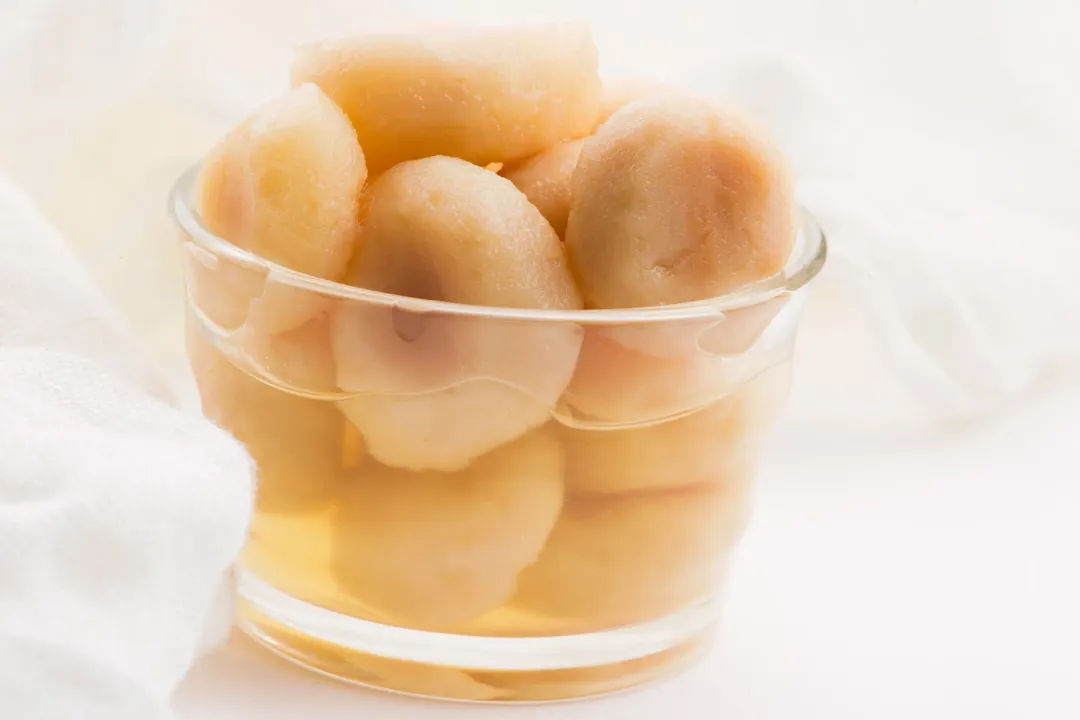
This unique, crisp ingredient often found in Asian cooking is far more than just a textural addition to a stir-fry; the water chestnut offers a surprising array of advantages for your well-being. Though its name suggests a tree nut, this submerged corm, which thrives in marshy areas, is actually a type of aquatic vegetable, confusing many about its true nature and nutritional value. Before delving into its health attributes, recognizing that the edible portion is the corm—the swollen underground stem—helps clarify why it's classified as a vegetable and not a nut, which is an important distinction for those with allergies.
# Vegetable Name
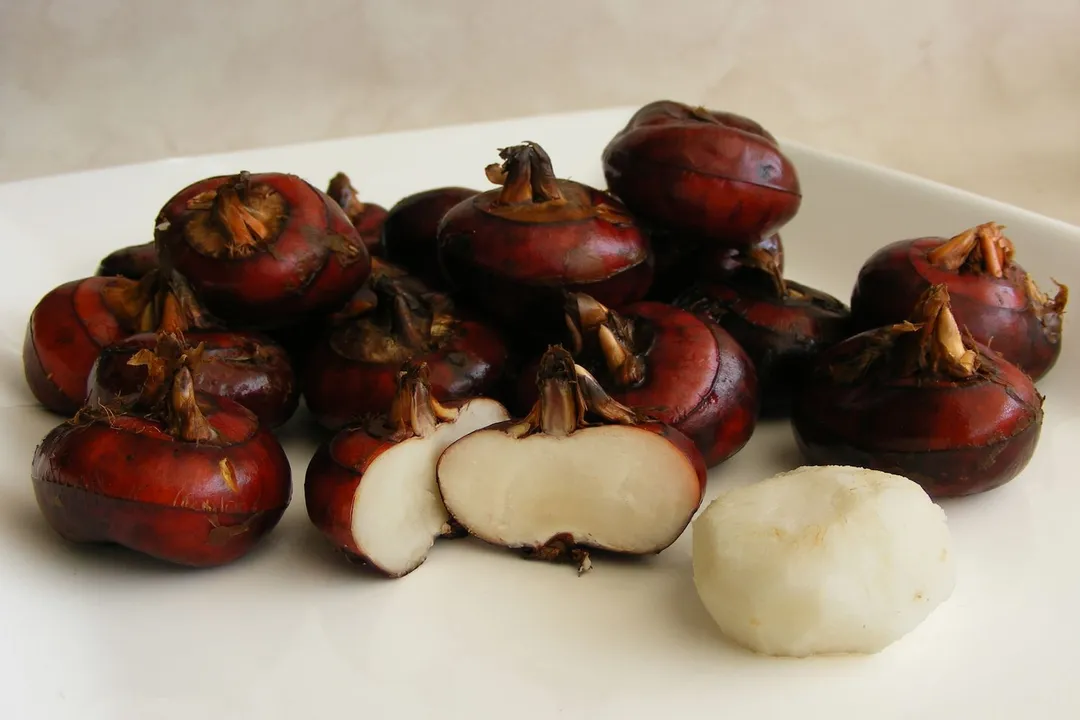
Understanding the identity of this food item is the first step to appreciating its potential. The water chestnut, scientifically known as Eleocharis dulcis, is not botanically related to the sweet chestnuts you might roast by a fire. It grows in shallow water, and its starchy, white core is what ends up on your plate, whether fresh, canned, or dried. Its mild, slightly sweet flavor and, more importantly, its characteristic crunch, make it highly valued in cuisines across Asia, often being included raw in salads or cooked quickly to preserve that signature texture.
# Nutritional Density
When we break down what a serving of water chestnuts actually provides, the picture becomes much clearer regarding their health contributions. They are remarkably low in calories, which is a significant point for anyone monitoring their energy intake. For context, roughly one cup of raw water chestnuts contains only about 50 to 60 calories. This low caloric load, coupled with a decent fiber content, helps fill you up without significantly adding to your daily energy count.
The micronutrient profile is where they truly shine. They pack a notable amount of potassium, an essential mineral important for fluid balance and muscle function. Furthermore, they provide respectable amounts of magnesium and iron. From the vitamin perspective, water chestnuts are known to be a source of Vitamin C, crucial for immune defense, and contain various B vitamins, including folate, which are necessary for energy metabolism. They also contain trace amounts of other vitamins like Vitamin A. Compared to many other starchy root vegetables, their advantage lies in this nutrient-to-calorie ratio.
# Digestive Support
The structure of water chestnuts lends itself well to supporting a healthy digestive system, primarily due to their fiber composition. Fiber adds bulk to stool, which is critical for promoting regular bowel movements and preventing constipation. This bulk also helps move food through the digestive tract at a more consistent pace.
A practical consideration when incorporating these into your diet for digestive purposes is preparation. While raw or lightly cooked versions retain the most structural integrity, soaking canned varieties thoroughly—and perhaps discarding the canning water—can help mitigate any added sodium while still providing the base nutrients. Integrating them chopped into a morning smoothie, for instance, is a simple way to boost fiber intake without drastically altering the taste profile.
# Heart Health
The minerals found within water chestnuts are directly linked to maintaining a strong cardiovascular system. Potassium plays a key role in counteracting the negative effects of sodium on blood pressure. By helping the body excrete excess sodium, adequate potassium intake supports the maintenance of normal blood pressure levels. Since water chestnuts are naturally low in sodium, especially when eaten fresh or rinsed well, they fit neatly into heart-healthy dietary patterns.
Magnesium, another mineral present, is also frequently associated with cardiovascular benefits, including supporting normal heart rhythm and the relaxation of blood vessels. If you are tracking your electrolyte intake—perhaps after an intense workout or during hot weather—the combination of potassium and magnesium makes water chestnuts a useful, low-fat, whole-food addition to your rehydration strategy, far surpassing processed salty snacks.
# Weight Management
For those aiming to manage their weight, the combination of high water content, low calories, and significant fiber makes water chestnuts an excellent food choice. Foods that are high in water and fiber tend to promote satiety, the feeling of fullness. When you feel fuller for longer after a meal, you are less likely to snack unnecessarily between meals, which naturally helps in reducing overall caloric consumption.
Think of them as a high-volume, low-energy-density food. You can incorporate a substantial amount into a main dish, like a vegetable medley or a large salad, and enjoy the pleasing crunch without taking in many calories. This quality of adding volume and satisfying texture without the caloric penalty is an underappreciated aspect of their utility in mindful eating habits.
# Antioxidant Defense
The plant world is rich with compounds designed to protect the plant itself, and many of these compounds offer protective benefits to human cells as well. Water chestnuts contain various antioxidants, which are substances that help neutralize harmful free radicals in the body. Free radicals are unstable molecules that can cause oxidative stress, which is linked to aging and the development of chronic diseases.
While they may not top the charts compared to intensely colored berries, their antioxidant contribution comes from compounds like phenolic acids and flavonoids. Regular consumption of foods rich in these protective agents supports the body's overall defense mechanisms. Considering they are often eaten raw, this preserves the heat-sensitive compounds like Vitamin C, further supporting their defensive profile.
# Blood Sugar Effects
Managing blood sugar levels is a key concern for many people, and the composition of water chestnuts suggests a favorable interaction with glucose metabolism. Their relatively high fiber content helps slow down the digestion and absorption of carbohydrates. This slower rate prevents the rapid spikes in blood sugar that can occur after eating refined carbohydrates.
The low glycemic load associated with water chestnuts means they generally have a minimal impact on immediate blood sugar levels. If you are preparing a meal that includes refined grains, adding water chestnuts—either as a raw topping or mixed in—can help modulate the overall glycemic response of the entire dish, providing a buffer against sharp energy peaks and subsequent crashes. This is an important consideration when building balanced meals that sustain energy over several hours.
# Culinary Texture
The primary reason many home cooks and chefs turn to water chestnuts is undeniably their texture. They offer a distinct, water-laden crispness that stands apart from other vegetables. This is a difficult texture to replicate with other common ingredients, which is why they feature prominently in dishes like Chop Suey or traditional Chinese soups.
To maximize this desirable quality, timing is everything when cooking. If you add them too early to a simmering stew or sauce, they will soften and lose that signature snap, becoming almost indistinguishable from other softer cooked vegetables. A good guideline, particularly for fresh water chestnuts, is to introduce them only in the final three to five minutes of cooking time, or even to add them raw to a hot dish just before serving, allowing the residual heat to warm them through while preserving their structure. This simple timing adjustment separates a dish with an interesting textural component from one that simply incorporates a soft vegetable.
# Enhancing Mineral Absorption
While the sources highlight the minerals water chestnuts contain, it’s worth considering the way they might interact within a meal. Because they are often paired with protein-rich components in Asian cooking—like chicken, tofu, or shrimp—they contribute necessary co-factors to the digestive environment. For instance, the iron content, while modest, is better utilized by the body when accompanied by Vitamin C, which is also present in the chestnut.
This means that when you eat a stir-fry that combines water chestnuts (providing Vitamin C and some iron), leafy greens (providing more iron), and a lean protein source, you are creating a minor synergy where the nutrients support each other’s bioavailability. It’s less about the chestnut being a singular powerhouse and more about its role as a functional component in a complex, mixed meal that aids overall nutrient uptake.
# Hydration Factor
Given their name, it is logical that water chestnuts have a high water content, which contributes significantly to overall hydration. While drinking plain water remains the gold standard for fluid intake, consuming water-rich foods contributes meaningfully to your daily hydration goals. This is especially relevant in hotter climates or for those who are highly active, as the moisture in the food helps supplement fluid loss. This high water percentage is also directly linked to their low caloric density, as much of their weight is, simply, water.
Related Questions
#Citations
Water chestnuts: What to Know - Healthline
Water Chestnuts: Nutrition and Health Benefits - WebMD
Water Chestnuts: 4 Benefits, Nutrition, and Risks - Health
Amazing Health Benefits You Must Know #Superfood #WaterChestnut
What Happens to Your Body When You Eat Water Chestnuts ...
The top health benefits of water chestnuts - Medical News Today
Amazing Facts About Water Chestnuts: Health, Recipes, and More
Water Chestnuts: Health Benefits, Nutrition Chart, Side Effects
10 ways to include water chest in your diet this season!! - GOQii
5 Amazing Health Benefits Of Water Chestnuts - Tata 1mg Capsules