What is the correct way to boil water?
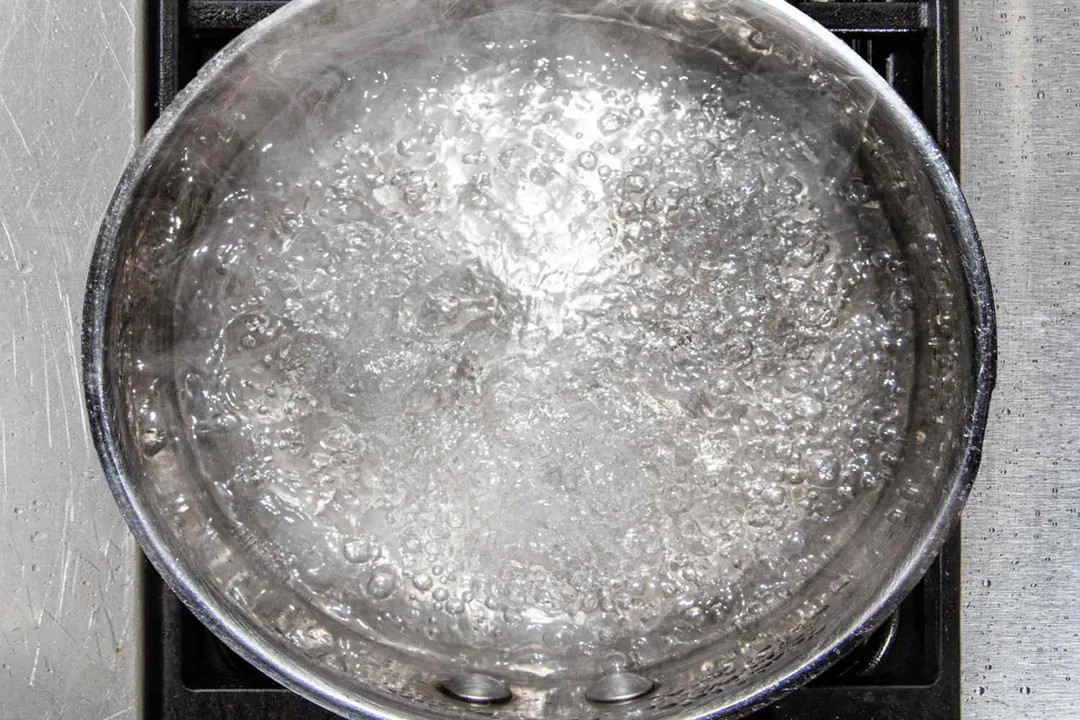
Achieving a proper boil is one of the most fundamental actions in the kitchen, yet there are often subtle details that can make the process slower, faster, or simply more effective for the intended culinary purpose. While it seems straightforward—apply heat until bubbles appear—the correct way often depends on what you are trying to accomplish, whether it's making a quick cup of tea or cooking pasta for dinner.[1][5]
# The Science
Water begins to boil when its vapor pressure equals the surrounding atmospheric pressure, which allows bubbles to form throughout the liquid, not just at the bottom surface where the heat is applied. At sea level, this magical point occurs precisely at or . However, this temperature is not universal. If you are cooking high up, such as in Denver, Colorado, where the altitude is significant, the atmospheric pressure is lower. Consequently, the boiling point also drops—down to around (). This elevation change is why recipes often require longer cooking times for things like eggs or dried beans when cooked at altitude; the water isn't as hot, so the process takes longer.
# Equipment Choice
The first decision often comes down to your equipment. For simple tasks like making a single serving of tea or instant coffee, an electric kettle is often the clear winner in terms of speed and energy efficiency. Electric kettles transfer heat directly to the water via an internal element, bypassing the thermal inefficiency of transferring heat through a metal base to a gas or electric stovetop coil.
For larger quantities, like boiling water for blanching vegetables or cooking pasta, a pot on the stovetop is necessary. When using a stovetop, the material and shape of the pot matter more than you might realize. A wide, shallow pot exposes more surface area to the air, leading to more heat loss through evaporation than a taller, narrower pot holding the same volume. Using the right size burner for the pot base is also important to ensure the heat energy goes into the water rather than escaping around the sides of the pan.
# Speed Tips
If the goal is purely speed—getting to that rolling boil as quickly as possible—there are established techniques that work against the natural process of heat loss.
# Covering Up
The single most effective way to speed up boiling is to trap the heat inside the vessel. Using a tight-fitting lid on your saucepan will significantly reduce the time it takes to reach temperature because it minimizes heat loss from the water surface through convection and evaporation. Without a lid, steam escapes, taking latent heat with it; with a lid, that steam condenses back into the water or remains trapped, increasing the heat energy within the system.
# Water Amount
Only heat the amount of water you absolutely need. Boiling one cup of water is far faster than boiling a gallon, even if you are using the same pot and burner settings. Minimizing the volume of water to be heated directly reduces the required energy input and time.
# Temperature Starting Point
A common query for those in a hurry relates to starting with hot tap water instead of cold. While using hot water from the tap will certainly get you to a boil faster because it starts at a higher initial temperature, this practice comes with a caution. Water that has sat in your home's hot water heater tank or traveled through older plumbing might leach trace amounts of metal or other contaminants, which is generally not advised for drinking or cooking, especially if you are using the water for something sensitive like baby formula. For general cooking where safety isn't a primary concern (like boiling pasta), it saves time, but for beverages, starting with fresh, cold water is the safer habit to build.
# The Salt Factor
Many people believe adding salt speeds up the boiling process because they associate it with the cooking of pasta or vegetables. This is a common misconception. In reality, adding salt raises the boiling point of water. While this higher temperature is beneficial for cooking pasta al dente by slightly increasing the rate at which starches gelatinize, it means the water must absorb more energy to reach that higher temperature than it would to reach . Therefore, salting water before it boils will actually slow down the process slightly. If speed is the goal, leave the salt out until the water is already boiling.
# Recognizing Stages
Boiling isn't a singular event; it’s a transition. Knowing the different stages allows you to stop heating when you’ve reached the required level, saving time and energy.
# Simmering
A simmer is characterized by gentle heat. Visually, this stage involves small bubbles forming on the bottom of the pot, which then break and rise to the surface, but the overall surface of the water remains relatively still. Temperatures for a simmer generally fall between and ( to ). For many delicate tasks, like poaching eggs or making a sauce that needs gentle infusion, a simmer is actually the correct temperature, not a full boil.
# The Full Boil
A full or rolling boil is what most people envision when they hear "boil water". This stage is unmistakable: the water is bubbling rapidly and vigorously throughout the entire volume, and these large bubbles break continuously at the surface, causing the surface to churn even when you attempt to stir it. Reaching this stage is necessary for tasks like cooking dried pasta or purifying water.
For instance, consider boiling dried spaghetti. If you achieve a strong, steady simmer, the pasta will cook through, but perhaps unevenly or slightly slower than in a rolling boil. However, the energy required to maintain a rolling boil (vigorous churning) versus a strong simmer (steady, less energetic bubbling) is noticeable over several minutes of cooking time. If you are cooking a large batch of pasta in a large pot of water, maintaining that top-tier rolling boil might consume significantly more gas or electricity over a ten-minute cooking cycle than accepting a high simmer temperature, which is often hot enough for effective cooking anyway. This is a point where optimizing for speed to boil is different from optimizing for energy maintenance while cooking.
# Handling Boiling Water
Once the water is boiling, safety takes precedence. Water boils because it is turning into steam, and that steam carries significant heat energy.
When moving a pot of boiling water, always use dry protection for your hands, such as an oven mitt or a dry potholder. Never use a wet cloth to grab the handle of a hot pot. If the water is boiling vigorously, the small amount of water on the cloth can flash instantly into steam when it hits the hot metal, causing a sudden, powerful eruption of steam that can cause severe burns.
Another important aspect is simply the act of pouring. When transferring water from a kettle or pot, pour slowly and deliberately. Even a slight stumble or an unexpected movement can send superheated liquid splashing, and because the heat is so intense, even a small splash can cause immediate injury.
# Summary of Best Practices
To boil water effectively, the process should look like this:
- Measure: Determine the exact amount of water needed for the recipe.
- Container: Select a pot appropriate for the stovetop burner or use an electric kettle if possible.
- Cover: Always place a lid on the pot to trap heat and steam.
- Heat: Apply heat, preferably on high, until the desired stage is reached.
- Salt (If needed): Add salt only after the water has reached a vigorous boil, if the recipe calls for it.
- Handle Safely: Use dry protection when touching hot handles or lids.
By understanding the temperature benchmarks and focusing on minimizing heat loss, you can master this essential kitchen task efficiently.
Related Questions
#Citations
How to Boil Water
Can someone help me regarding the basic of stove ...
The Best Way to Boil Water: Essential Answer
Everything You Ever Wanted to Know (Plus More!) About ...
Boil Water : 4 Steps
How to boil water with various methods
What's the fastest way to boil water for a cup of tea at home ...