What is the German classification for lightly carbonated bottled water available in the market?
Answer
Medium
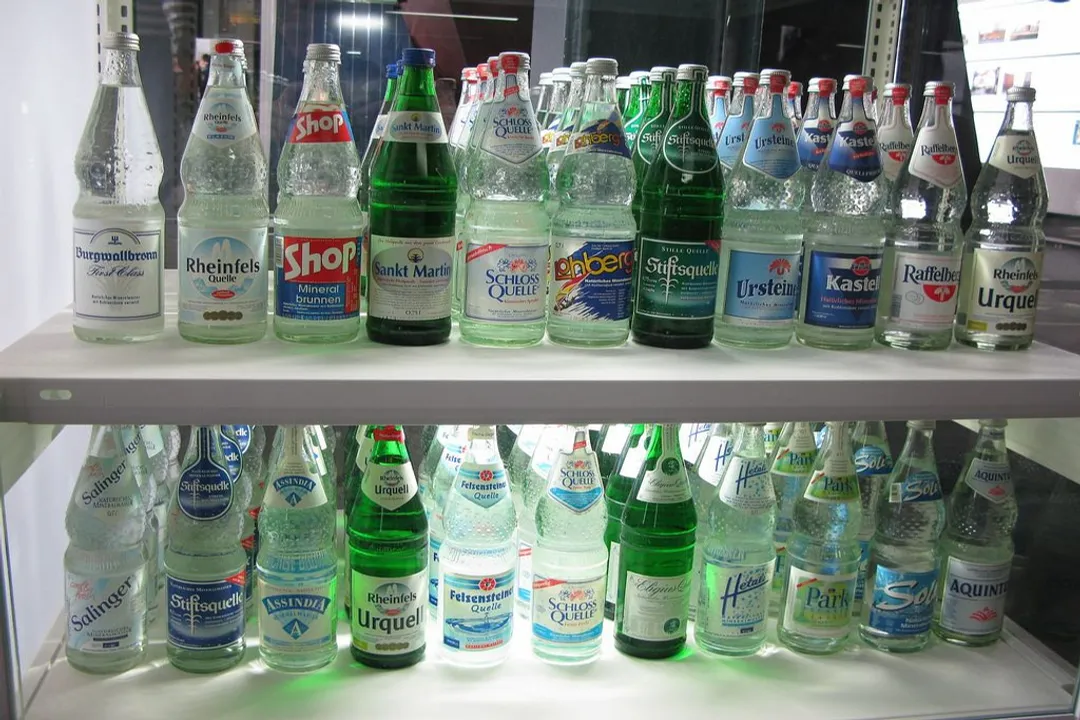
The German market caters extensively to varying degrees of carbonation preferred by consumers, which is clearly reflected in the labels found on supermarket shelves. Brands typically offer different levels of effervescence for the same sourced water. The term 'Medium' is specifically used to designate water that is only lightly carbonated, offering a subtle fizz. In contrast, the term 'Classic' denotes versions that are heavily carbonated. This variety allows consumers to select a precise level of carbonation, ranging from virtually none (still) to highly effervescent ('Classic'), ensuring nearly every preference regarding the intensity of the bubbles can be satisfied.
Related Questions
What sensory attribute do many Germans prefer in Sprudel over still water?What historical reliance laid the foundation for the modern German preference for bottled mineral water?How are German mineral waters legally differentiated from seltzers artificially carbonated elsewhere?What is the German classification for lightly carbonated bottled water available in the market?How does the established Pfand system intrinsically reinforce the habit of buying bottled liquid?What common social use is associated with the effervescence of water during a traditional German meal?What is the objective quality status of Germany's public tap water infrastructure?When mixing spirits like Korn or Aperol, what role does bottled mineral water play as a mixer?Which specific geographic areas are cited as examples where water composition varies significantly by region?What is the consequence of ordering water in a German restaurant without specifying 'still'?