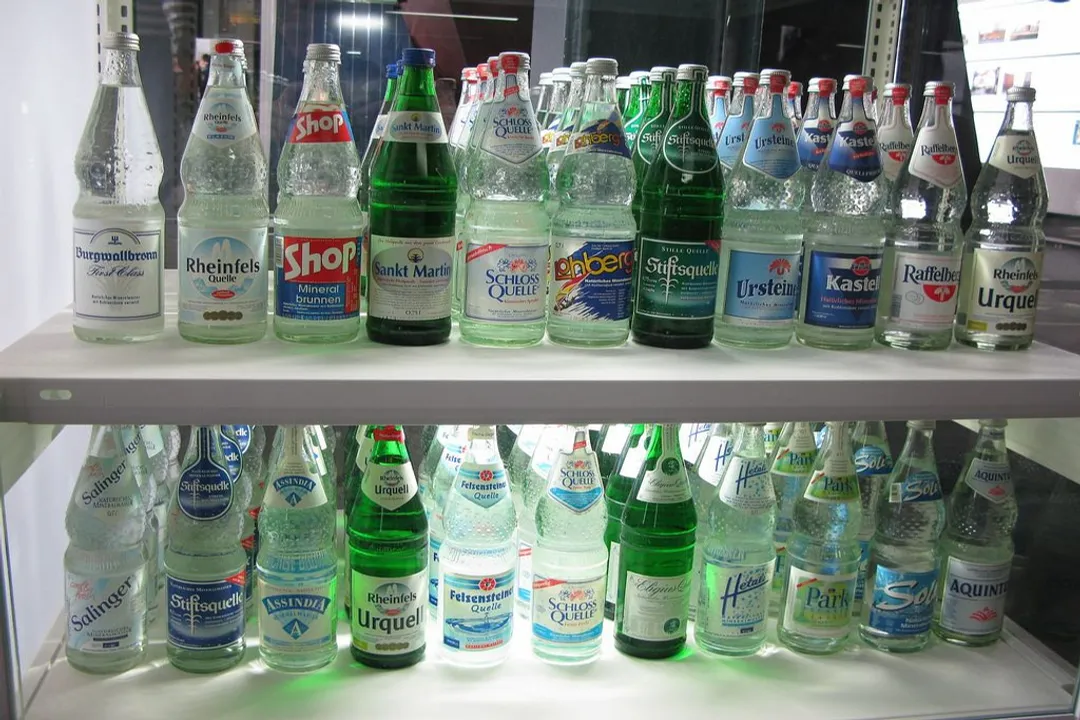
How does the established Pfand system intrinsically reinforce the habit of buying bottled liquid?
It reinforces the mental pathway associating hydration with a transactional purchase
The Pfand, or deposit-return system implemented in Germany, plays a subtle but powerful role in maintaining high consumption rates for bottled water, even though it serves an important environmental function regarding reuse and sustainability. By requiring consumers to physically return empty containers to receive their deposit back, and subsequently purchase new full bottles, the system creates a clear transactional loop associated with obtaining drinking water. This physical cycle reinforces the mental pathway that bottled refreshment is the default option requiring an external transaction or purchase, standing in contrast to the frictionless act of simply turning on the municipal tap, which demands no such exchange or external container management.