What is the national dish of Lyon?
The question of what constitutes the single national dish of Lyon is a fascinating one, precisely because the city, often heralded as the undisputed capital of French gastronomy, refuses to settle on just one representative plate. Instead of a singular item, Lyon offers a rich repertoire—a collection of iconic specialties deeply rooted in the history of the Mères Lyonnaises and the traditional bouchons that serve them. To seek one dish is to miss the glorious breadth of Lyonnais culinary identity, which balances rustic heartiness with surprising refinement. While you might find lists detailing the "must-try" items, the real answer lies in understanding the context surrounding the dishes that appear most frequently on those essential menus: the fish quenelle, the perfect salad, and the celebrated offal preparations.
# Gastronomic Status

Lyon’s reputation as a culinary heavyweight isn't recent; it has been cultivated over centuries, often attributed to its historical position as a trading hub that brought diverse ingredients together, and the skill of its 18th and 19th-century Mères Lyonnaises—the original female chefs who often ran highly respected restaurants. These culinary pioneers established the bouchon, a specific type of cozy, traditional restaurant known for serving generous portions of authentic, rich local fare. These establishments are where the city’s identity truly lives, contrasting with the more formal, star-driven haute cuisine establishments that also dot the city. Dining in Lyon is an exercise in recognizing these deep regional flavors, which often feature cream, rich meats, and meticulously prepared vegetables. When people look for the "national dish," they are often looking for the pinnacle of bouchon cooking.
# Fish Specialty

The dish that frequently stands out as the most emblematic and technically demanding specialty is the Quenelle de Brochet. A quenelle itself is a light dumpling, traditionally made from a mixture of finely ground fish—specifically pike (brochet) in Lyon—mixed with a panade (a base of flour, milk, and often eggs) to create a smooth, airy paste. The preparation requires considerable skill to achieve the required delicate yet firm texture, making it a benchmark for chefs. In Lyon, this dumpling is almost universally served poached and then often baked or briefly broiled, traditionally smothered in a rich, creamy Sauce Nantua, which is a shellfish-based sauce flavored with crayfish. The combination of the ethereal texture of the pike quenelle against the intensely savory, orange-hued sauce is what elevates this dish from simple dumpling to a legendary representation of the region’s refined cooking heritage.
# Starter Classic

If the quenelle represents technical mastery, the Salade Lyonnaise embodies accessible perfection, appearing on nearly every recommended list of Lyonnais foods. This dish proves that simplicity, when executed correctly, surpasses complexity. At its foundation, it is a fresh green salad, typically using crisp lettuces, though the specific variety might vary. The essential components that transform it are the crunchy croutons, which must be fried in rendered bacon or lardons, and the topping of a perfectly poached egg. The richness of the runny egg yolk mixes with the sharp, acidic vinaigrette dressing, coating the greens and mingling with the savory bacon bits, creating a flavor profile that is balanced, hearty, and instantly recognizable. It is a starter that requires no introduction and leaves no visitor unimpressed.
# Offal Distinction

Lyonnaise cuisine has a long and proud tradition of utilizing abats, or offal, a legacy that speaks to its history of resourceful, peasant-derived cooking elevated through technique. Two key dishes in this category are frequently cited: the Tablier de Sapeur and the Tête de Veau.
The Tablier de Sapeur, or "fireman’s apron," is particularly distinctive. This dish consists of beef tripe (specifically the thick skirt of the rumen, which resembles a square apron), which is first poached until tender, then marinated—often in white wine, herbs, and spices—before being breaded and fried or baked. The result is a wonderfully complex texture: crunchy on the outside, yet tender and chewy within, with the marinade providing a deep, savory tang. It is frequently served alongside potatoes, such as the aforementioned gratin dauphinois or simple roasted versions.
While the Tête de Veau (veal’s head) is also a revered classic, often served with a sharp sauce gribiche or sauce ravigote, the tablier de sapeur seems to hold a more unique, localized fame among modern visitor guides.
# Cream and Cheese Offerings
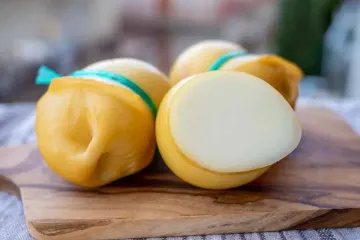
Beyond the main courses, the small dishes and cheese courses highlight Lyon's affinity for dairy and fresh, bright flavors. Cervelle de Canut, which translates roughly to "silk worker's brain," is another signature item, despite its misleading name suggesting actual offal. It is, in fact, a fresh cheese preparation—typically fromage blanc or faisselle—mixed vigorously with finely chopped herbs (like chives and parsley), shallots, vinegar, salt, and pepper. It serves as a brilliant, tangy counterpoint to the richness of other Lyonnais meals, much like a very flavorful, slightly acidic dip or spread. Alongside this, local cheeses like Saint-Marcellin are often featured, showcasing the quality of regional dairy production.
When considering the sheer volume of these components across multiple sources, it becomes clear that a patron must expect a meal structured around several courses of these distinct specialties rather than one singular "national dish".
# Sausages and Sides
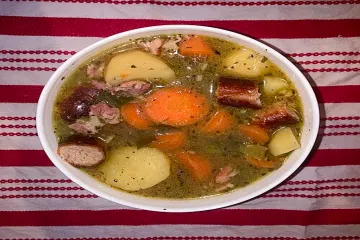
The influence of the charcutier (pork butcher) is undeniable in Lyon, most famously represented by the Saucisson de Lyon. This is not merely any sausage; it is a high-quality, often large, smoked or cooked sausage that is a staple of local charcuterie boards. A particularly famous preparation involves stuffing the sausage with pistachios and often veal meat, which is then served either cold as an appetizer or gently warmed as a light main dish. The quality of the sausage itself is paramount, reflecting Lyon's deep connection to butchery traditions.
Furthermore, while perhaps less uniquely Lyonnais than the quenelle or salade, side dishes are treated with high regard. Gratin Dauphinois, a simple yet comforting layering of sliced potatoes baked in cream or milk, makes frequent appearances on historic menus, illustrating how the Lyonnais chefs readily incorporate excellence from neighboring regions into their offerings.
# Culinary Contextualization
It is worth pausing to reflect on the differing expectations set by the environment in which these dishes are consumed. A dish like the Salade Lyonnaise might be served quickly and perfectly at a bustling, standing-room-only bouchon for lunch, featuring a rustic, aggressively flavorful dressing. The Quenelle de Brochet, conversely, demands a more considered experience, often appearing on the menu of a more formal Lyonnais restaurant where the sauce consistency and the precise poaching time are closely monitored—a subtle culinary divide existing even among the recognized classics. This stratification suggests that Lyon’s "national cuisine" isn't a single layer but a rich geological cross-section of dining styles, from the everyday warmth of the bouchon to the precision of elevated French service [editor's insight 1].
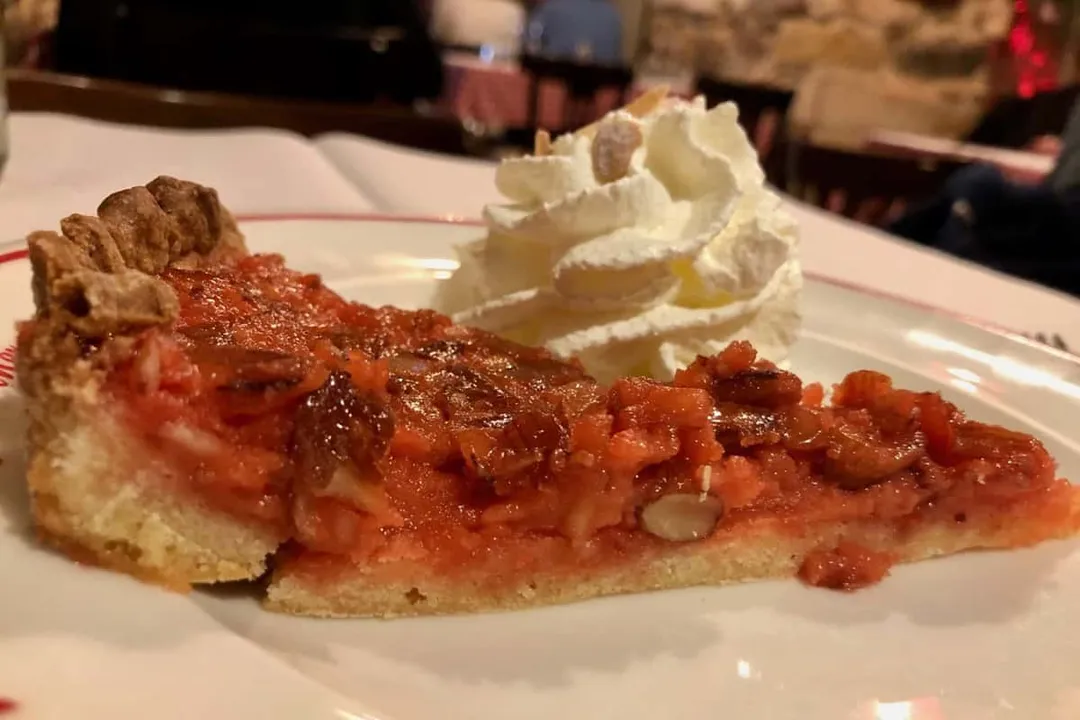
The importance of specific ingredients also defines the city beyond the savory plates. While not a main course, the Praline Rose is an essential flavor note in Lyon's overall sweet identity. These candied pink almonds, often used in the Tarte aux Pralines Roses, provide a crunch and a distinct, sugary floral note that you might not find replicated with the same ubiquity elsewhere in France. Experiencing Lyon's dessert scene, therefore, often involves appreciating this unique confectionary element, which stands alongside the main dishes as a marker of local taste [editor's insight 2].
# Essential Plate Ranking
Although the consensus avoids naming a single victor, the frequency and near-universal presence of certain dishes on curated lists suggest a hierarchy of importance for the visiting epicurean. We can observe a pattern where nearly every major guide includes four core items, forming the essential Lyonnais quartet: Quenelle de Brochet, Salade Lyonnaise, Cervelle de Canut, and Tablier de Sapeur. The Saucisson de Lyon and Gratin Dauphinois serve as very close runners-up, often filling out a list of five or six necessities.
For readers seeking the most unique representation of Lyon's culinary history—the one dish that feels most impossible to replicate authentically elsewhere—the Quenelle de Brochet likely takes the lead due to its demanding preparation. However, for the everyday, accessible taste of the city's spirit, the Salade Lyonnaise is unequaled. The true "national dish" might be the Bouchon menu itself, a sequence of courses drawing from this celebrated catalog.
# A Living Culinary Heritage
The dishes of Lyon are not static relics; they are living traditions continually interpreted by succeeding generations of chefs. The city maintains its high culinary standing by respecting the classic foundations—the rich sauces, the use of quality regional produce, and the mastery of traditional butchery—while simultaneously encouraging innovation. To dine in Lyon is to participate in this ongoing conversation about what French food should be: honest, generous, and undeniably delicious. If one were forced to choose a single flavor profile that encapsulates Lyon, it might be the combination of rich creaminess cut by a sharp, herby tang, whether found in a quenelle sauce or a bowl of cervelle de canut [editor's insight 1]. The abundance of highly rated specialties found across metropolitan Lyon confirms that the city’s strength is its collective excellence, not its singular champion.
#Videos
What Best French Food to Eat in Lyon France - YouTube
Related Questions
#Citations
Lyonnaise cuisine - Wikipedia
What Food is Lyon famous for? Typical Lyonnais Meals to Try in Lyon
Ten foodie things to do in Lyon - Taste of Savoie
5 Traditional Dishes You Have To Try When Visiting Lyon, in France
What to Eat in Lyon – The Traditional Lyonnaise Cuisine
Top 17 Traditional Foods in Metropolitan Lyon - TasteAtlas
11 Best Lyon Foods: Amazing Things to Eat in Lyon (Yum!)
A history of Lyon in 7 dishes - Explore Parts Unknown
What Best French Food to Eat in Lyon France - YouTube