What is the cheap version of Champagne called?
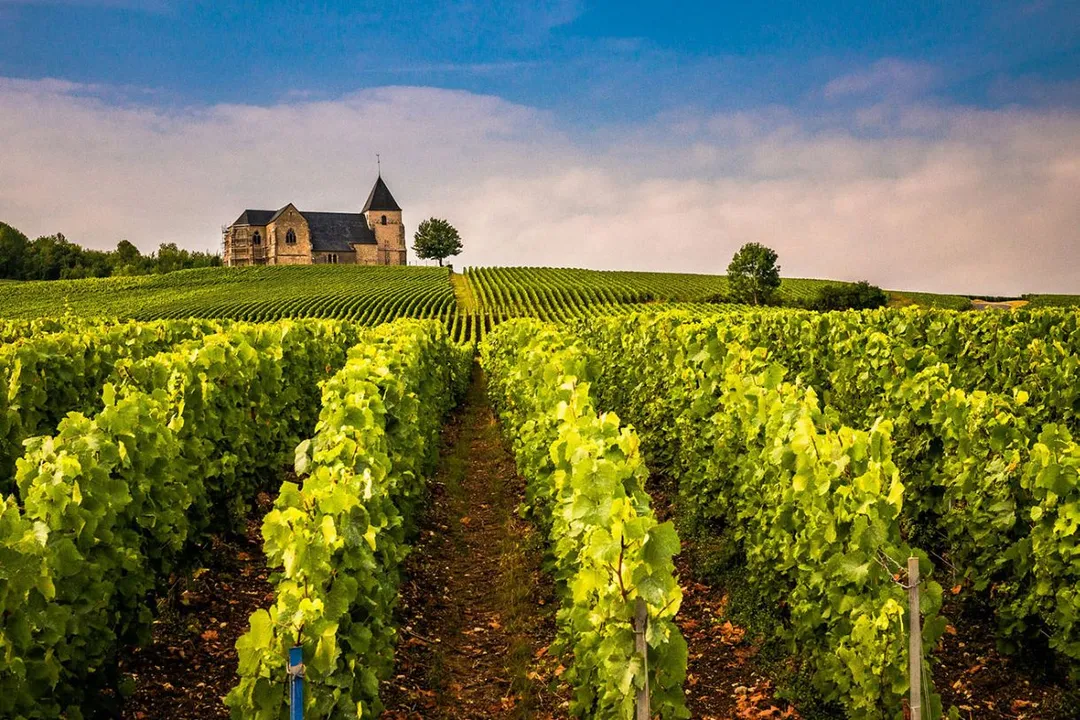
When people search for the "cheap version of Champagne," they are usually looking for a celebratory, bubbly wine that offers a similar experience without the associated price tag of the famous French export. The immediate, simple answer is that there isn't one specific name for the cheap version; rather, the alternatives fall under the broad, all-encompassing category of sparkling wine. True Champagne is geographically protected, meaning only wine produced in the Champagne region of France, following strict production rules, can bear that name. Any bubbly made outside this specific French area, regardless of how similar the production method is, must adopt a different label.
# Protected Name

The high cost of genuine Champagne is directly linked to the rigorous, time-consuming standards it must adhere to, known as the Méthode Champenoise or Traditional Method. This involves a secondary fermentation happening inside the individual bottle, which creates the fine, persistent bubbles and imparts complex, toasty, or brioche-like flavors that many wine lovers seek. Because the vineyards must be located within the designated geographical boundaries of Champagne, France, and the entire process takes a minimum of 15 months (and often much longer) aging on the lees before release, the input costs and time investment naturally drive the price higher. Simply put, paying for Champagne is partly paying for adherence to history, geography, and tradition.
# Umbrella Term
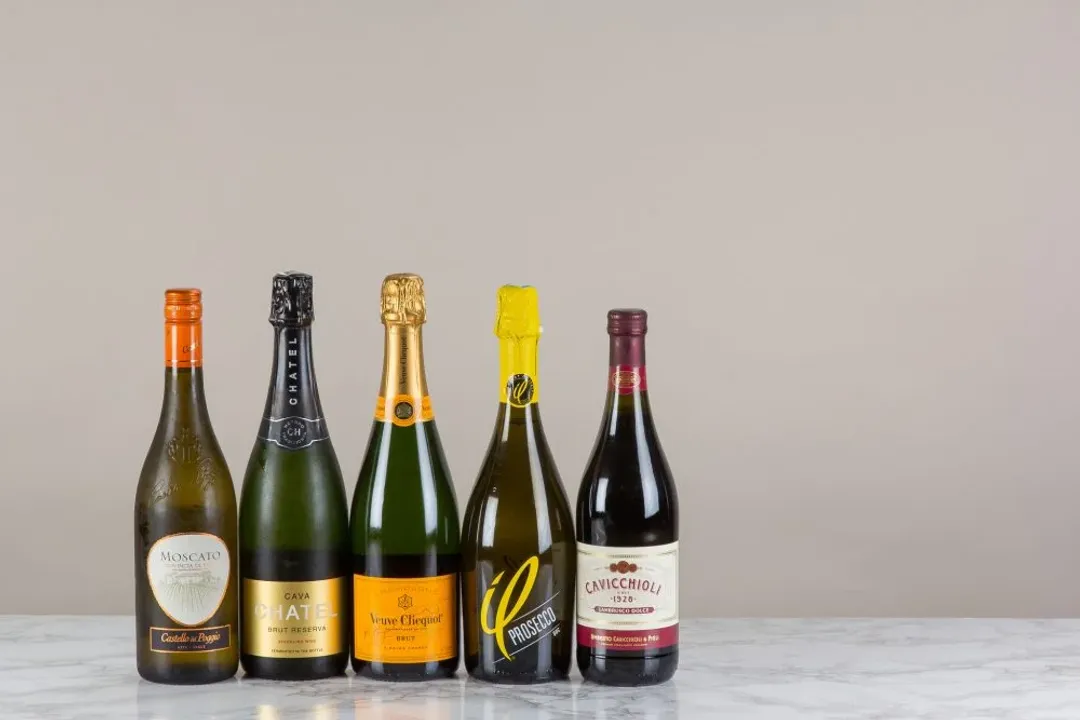
The umbrella term for virtually all wine that has bubbles—those lovely, fizzy components created by dissolved carbon dioxide—is sparkling wine. This category is vast and includes famous, high-quality alternatives from other regions that are often significantly less expensive than their Champagne counterparts. When you see a bottle with bubbles that isn't from the Champagne region, it is a sparkling wine, and understanding the different types within this category is the key to finding good value.

# Italian Favorite

Perhaps the most popular and widely recognized alternative to Champagne is Prosecco. Hailing from the Veneto and Friuli-Venezia Giulia regions of northeastern Italy, Prosecco generally offers a different sensory experience than Champagne. While Champagne relies on secondary fermentation in the bottle, Prosecco typically employs the Charmat method, or tank method, where the secondary fermentation occurs in large, pressurized stainless steel tanks before the wine is bottled.
This production difference yields distinct flavor profiles. Prosecco is generally known for its aromatic, lighter, and fruitier character, often showcasing notes of green apple, honeydew melon, pear, and citrus. It tends to be less reliant on the yeasty, bread-like notes that develop from extended contact with dead yeast cells (lees) in the bottle, which is a hallmark of Traditional Method wines. For many casual drinkers, Prosecco offers a refreshing, slightly sweeter perception and a lower price point, making it an excellent choice for large gatherings or simple refreshment. One source notes that Prosecco is often considered the best value for money if the priority is a bright, fruity taste rather than the complex, savory notes of Champagne.
# Spanish Contender

Another world-class sparkling wine that often provides exceptional value is Cava. Produced primarily in Catalonia, Spain, Cava is unique among the big three (Champagne, Prosecco, Cava) because it does use the same Traditional Method as Champagne. This means that, structurally, Cava shares the same potential for developing complex, secondary flavors that age beautifully. Because the production cost is lower in Spain than in France, Cava frequently sells for much less than a comparable Champagne, offering a serious flavor profile at a friendlier price. Many Cavas can be aged for years, showing incredible depth, proving that the "cheap version" doesn't always mean "less complex".
# Style Comparison
To better understand where your money is going when you choose one style over another, it helps to visualize the core differences in production and resulting flavor.
| Feature | Champagne (France) | Prosecco (Italy) | Cava (Spain) |
|---|---|---|---|
| Primary Grape | Chardonnay, Pinot Noir, Pinot Meunier | Glera | Macabeo, Parellada, Xarel-lo |
| Production Method | Traditional (Bottle Fermentation) | Charmat (Tank Fermentation) | Traditional (Bottle Fermentation) |
| Typical Flavor | Yeast, brioche, citrus, almond, high acidity | Green apple, honeydew, floral, aromatic | Citrus, stone fruit, often nutty/toasty |
| Price Point | High | Low to Mid | Low to Mid |
This comparison highlights that if your goal is complexity derived from yeast aging, Cava often provides a flavor structure closer to Champagne than Prosecco does, yet often comes at a significantly lower price point than even entry-level Champagne.
# Regional Bubbles
Beyond Italy and Spain, numerous regions produce quality sparkling wines that compete on price. Germany produces Sekt, often made using the Traditional Method, and the quality can range widely, though great value can certainly be found. Other locations globally, including the United States (especially California), are also making excellent Traditional Method sparkling wines that aim to mimic the Champagne style. When looking for a budget option, you are essentially looking for a wine made using the Traditional Method outside the Champagne region, or a wine made using the Charmat Method anywhere.
# Finding Value
When you are standing in the wine aisle looking for that festive bottle without the hefty price tag, the key is to focus less on the general term "cheap" and more on the production method and origin. For instance, if you look at sparkling wines priced around 25, you are likely to find a wide array of Proseccos and Cavas.
Here is a tip for the savvy shopper: rather than simply picking the cheapest bottle overall, try to identify producers who specialize in the Traditional Method outside of France, such as high-quality Cava producers or even certain American sparklers. These bottles often deliver a depth of flavor that inexpensive Prosecco, due to its method, cannot replicate. A wine labeled "Brut Nature" or "Zero Dosage" on a Cava will be bone dry and extremely mineral-driven, offering a high-acid, palate-cleansing experience that feels distinctly premium despite the low cost. You might find that spending just a few dollars more than the absolute cheapest option—say, moving from an 17 Cava—unlocks a completely different level of quality because of the shared production technique with Champagne.
In contrast, if you prioritize easy-drinking, immediate fruitiness, and a softer texture perfect for mimosas or light celebrations, then the vast world of Prosecco reigns supreme as the quintessential cost-effective bubbly. The taste test is highly subjective; one source suggests that while Champagne is better for those who prefer a savory, yeasty profile, Prosecco suits those who prefer a crisp, sweet-smelling profile. Ultimately, the "cheap version" isn't a single label, but a choice between seeking structural similarity (Cava) or prioritizing aromatic simplicity (Prosecco) while avoiding the AOC protection tax of true Champagne.
#Videos
What Are Some Cheaper Alternatives to Champagne? - YouTube
Related Questions
#Citations
We Tried And Ranked Brands Of Cheap 'Champagne' - Tasting Table
What is the difference between Prosecco and Champagne? - Reddit
What affordable sparkling wines are good alternatives to Champagne?
What are some cheap but good wine and champagne options?
The Best Cheap Champagne Isn't Called "Champagne" | Wine Folly
Prosecco Isn't "Just Cheap Champagne" — Here's the Difference
Sick of Prosecco? Try These Sparkling Wine Alternatives - Kegworks
What Are Some Cheaper Alternatives to Champagne? - YouTube
Is prosecco or Champagne the best value for money regards taste?
The Difference Between Sparkling Wine and Champagne