What primarily drives the high cost of genuine Champagne according to production factors?
Rigorous standards and minimum 15 months aging on the lees
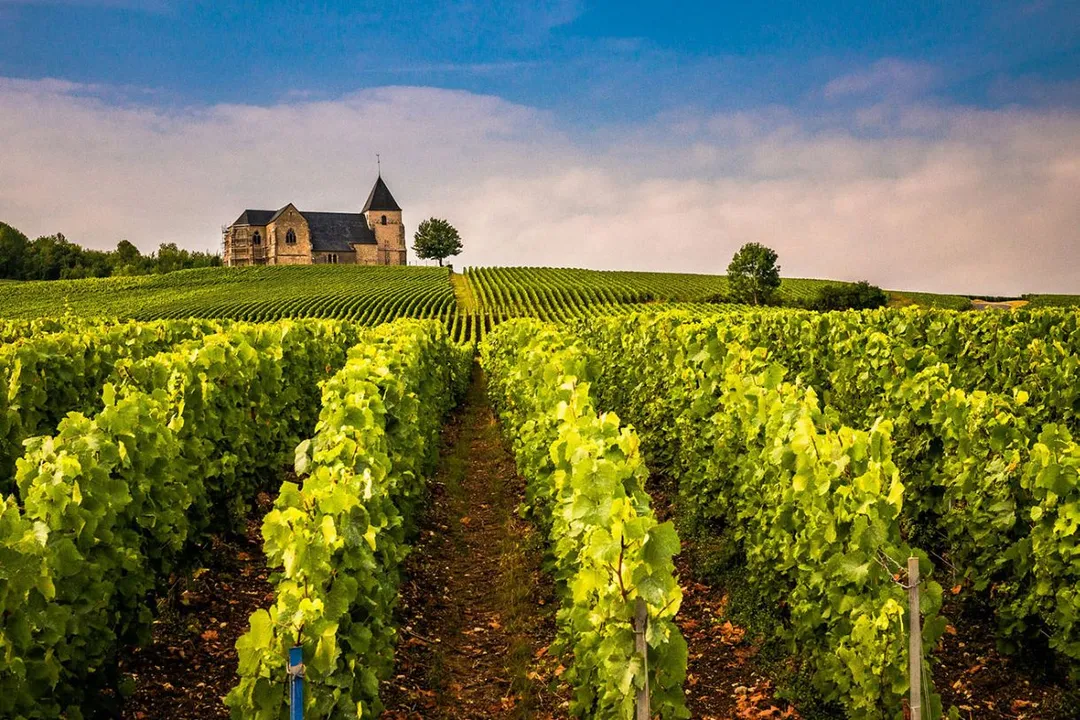
The elevated price of genuine Champagne is intrinsically linked to the mandatory adherence to rigorous, time-consuming production standards known as the Méthode Champenoise or Traditional Method. A crucial factor in this cost is the mandatory aging process: the wine must spend a minimum of 15 months aging on the lees (spent yeast cells) inside the bottle before it can be released to the market. This lengthy time investment, coupled with the strict geographical limitations requiring vineyards to be within the designated Champagne region of France and the complexity of the in-bottle secondary fermentation, accumulates substantial input costs, thus driving the final price higher.
#Videos
What Are Some Cheaper Alternatives to Champagne? - YouTube