What is poor man's Champagne?

The moniker "Poor Man's Champagne" has circulated in beverage circles for decades, almost always referencing an affordable, bubbly alternative to the famed French original. It’s a phrase steeped in history, slightly derogatory in its comparison, yet ultimately celebrating accessibility in moments that traditionally demanded the prestige of Champagne. This popular nickname doesn't usually point to a single product but rather a category of sparkling wines that manage to capture the celebratory fizz without the associated four-figure price tag for top-tier bottles, or even the entry-level cost of the AOC-protected beverage.
# Contenders Rise
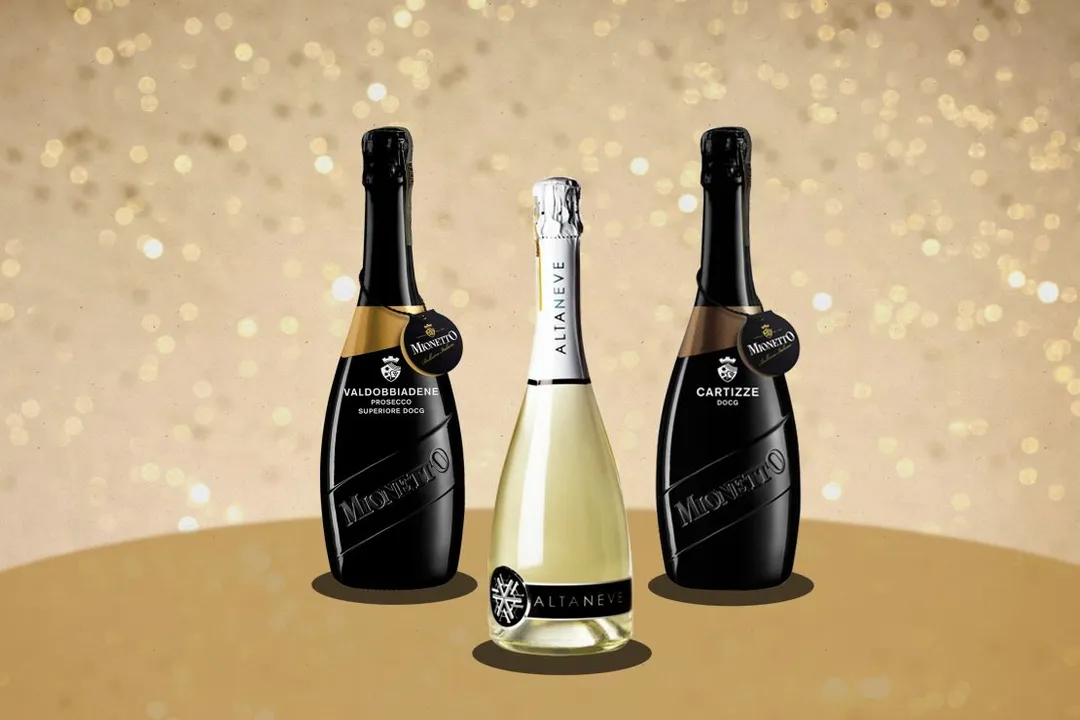
When people refer to this budget-friendly bubbly, they are overwhelmingly pointing toward Prosecco, the Italian star, or occasionally Cava, its Spanish counterpart. While both offer delightful effervescence, their origins, production methods, and flavor profiles set them distinctly apart from true Champagne, which must originate from the Champagne region of France and adhere to strict production regulations. The price gap is perhaps the most obvious differentiator; for the cost of a single entry-level bottle of Champagne, one might acquire three or four bottles of comparable volume from the other regions. This disparity is not accidental; it's baked into the production cost structure.
# Italian Sparkler
Prosecco, hailing primarily from the Veneto and Friuli Venezia Giulia regions of northeastern Italy, has seen a meteoric rise in global popularity over the last two decades. Its fresh, fruity character makes it immediately appealing to a broad audience. It is often described as possessing aromatic notes of green apple, honeydew melon, pear, and sometimes white blossom.
The key to Prosecco’s accessible price point and its characteristic style lies in its method of secondary fermentation—the process that creates the bubbles. Unlike Champagne, Prosecco overwhelmingly relies on the Charmat Method, also known as the Tank Method. In this process, the second fermentation occurs in large, sealed stainless-steel tanks rather than in individual bottles. This approach is significantly faster and less labor-intensive, which directly translates to lower production costs. This method preserves the fresh, primary fruit aromas of the Glera grape, the primary grape used in Prosecco production. Some sources suggest that believing all Prosecco is made the same way is a fundamental misunderstanding; while the Charmat method dominates, there are indeed quality expressions that focus more on depth than sheer fruitiness.
# Spanish Rivalry
Cava, the Spanish challenger, often occupies a middle ground in this discussion, though it is generally positioned closer to Champagne in terms of production methodology than Prosecco is. Cava is produced almost exclusively in the Penedès region of Catalonia, Spain. What makes Cava stylistically closer to Champagne is its adherence to the Traditional Method (Méthode Champenoise), where the secondary fermentation and aging occur in the bottle. This aging on the lees—the dead yeast cells—imparts complex, savory, bready, or nutty notes that are largely absent in a young Charmat-method wine. For a consumer seeking a dry, complex, yeasty profile on a tighter budget than Champagne, Cava is often the superior "poor man's" candidate, even if it doesn't carry the same widespread name recognition as Prosecco.
# Production Differences
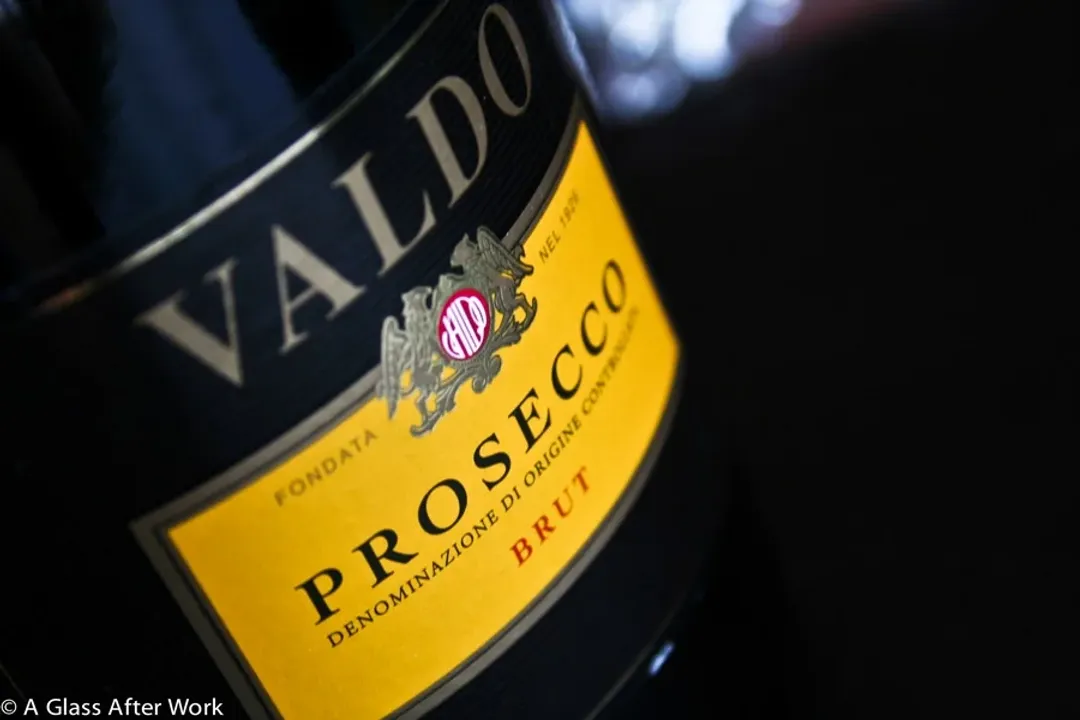
Understanding how these wines are made offers crucial insight into why one merits the "Champagne" title while the others earn the budget comparison. The appellation rules in France dictate that Champagne must use grapes grown in the specific, strictly delineated area of Champagne and must undergo the Traditional Method, involving extended aging on the lees in the bottle. This aging is where much of the cost and complexity come from; it is a slow, expensive process that cannot be rushed.
When comparing the primary styles:
| Feature | Champagne (Traditional) | Prosecco (Charmat/Tank) | Cava (Traditional) |
|---|---|---|---|
| Region | Champagne, France | Veneto/Friuli, Italy | Various regions, mostly Penedès, Spain |
| Primary Grapes | Chardonnay, Pinot Noir, Pinot Meunier | Glera | Macabeo, Parellada, Xarel·lo |
| Secondary Fermentation | In-bottle | In large tanks | In-bottle |
| Flavor Profile Focus | Autolytic, toasted, complexity, acidity | Fresh fruit, floral, light, vibrant | Balanced, sometimes nutty/yeasty notes |
| Typical Price Point | Highest | Lowest to Mid | Mid-Low to Mid |
This table illustrates that while Cava shares the labor-intensive aging process with Champagne, Prosecco trades that complexity for sheer aromatic immediacy. A practical tip for maximizing enjoyment of the differences is to approach them with appropriate food pairings. A simple, bright Prosecco excels as an aperitif or with light appetizers like prosciutto or mild cheese, where its fruit won't be overshadowed [cite: implied from general pairing knowledge]. Conversely, a traditional method Cava or a richer Champagne demands a dish with more presence, like fried calamari or richer charcuterie, as its developed secondary flavors can stand up to richer fare [cite: implied from comparison of styles].

# More Than Just Sparkling Wine

The umbrella term used for all these beverages is sparkling wine, but relying solely on the price tag risks overlooking the unique character each offers. It is important to remember that an Italian sparkling wine is not inherently inferior to a French one; they are simply different expressions of their terroir and production philosophy. The entire category is undergoing evolution, too. For instance, Prosecco has seen its own quality tiers rise, with expressions showing greater depth and structure than earlier, simpler iterations, challenging the notion that Italian sparkling wine is only about light refreshment.
# A Homemade Twist
Interestingly, the term "Poor Man's Champagne" doesn't always refer to a commercially produced wine. In some traditions, it describes a simple, homemade beverage designed to mimic the look and feel of celebration with minimal cost. One common iteration of this involves mixing inexpensive ingredients to create a bubbly drink suitable for a toast when nothing else is on hand. A widely cited, very basic recipe involves mixing chilled orange juice with inexpensive white wine, and then topping it off with ginger ale or club soda for the necessary effervescence. While this concoction will never approach the complexity of a true Champagne, Cava, or even a quality Brut Prosecco, it perfectly fulfills the original function of the nickname: providing a celebratory fizz on a shoestring budget. This DIY approach speaks volumes about the cultural desire to mark special occasions, regardless of economic means.
# The Authority of Origin

The legal and geographical constraints surrounding Champagne imbue it with a premium status that no other wine can easily replicate, regardless of taste similarity. The Appellation d'Origine Contrôlée (AOC) system is strict: the grapes must be grown in the designated region, and the production must follow rigorous standards regarding yields, harvesting, pressing, and aging. This regulatory structure ensures consistency and quality, but also dramatically limits supply, inflating the price. When you purchase Champagne, you are paying not just for the liquid, but for the legal protection and history tied to that specific corner of France.
In contrast, while Italy and Spain have their own protected designations (DOCG for Prosecco Superiore, Cava DO), their regulations are generally less restrictive in terms of aging requirements compared to Champagne, allowing for greater volume and lower minimum price points. For example, some Prosecco only needs a few months of aging, compared to the minimum of 15 months for non-vintage Champagne aged on the lees. This fundamental difference in aging time is an expense that the "poor man's" versions intentionally skip to keep costs down.
# Choosing Your Budget Bubbly
Deciding which affordable sparkling wine best suits your needs depends entirely on what you value in the glass. If the goal is immediate, refreshing fruitiness, Prosecco wins the day. If you prefer a dry, yeasty character reminiscent of a classic sparkling wine, but need to save money, Cava is the better selection, as its method mirrors Champagne’s.
If you are new to sparkling wine, a helpful way to think about the experience, rather than just the name, is by considering the effervescence itself. Champagne often features very fine, persistent bubbles (the mousse), a result of the long, in-bottle fermentation and aging. Prosecco tends to have larger, perhaps more immediate bubbles that dissipate quicker, fitting its lighter style. For those looking to experiment without breaking the bank, looking for Prosecco designated as Valdobbiadene Superiore DOCG can often yield excellent quality that punches above its typical price tier, showing more depth than standard DOC Prosecco. This targeted search offers a step up in quality while remaining firmly in the affordable bracket, something a casual shopper might overlook when only looking at the front label. Essentially, the "Poor Man's Champagne" isn't one bottle; it's the entire spectrum of accessible, celebratory bubbles available worldwide, each with its own right to the table.
#Videos
Poor Man's Champagne -Cheap Sparkling White Wine from JUICE
Related Questions
#Citations
4 Myths About Prosecco, Debunked - MICHELIN Guide
Champagne, Cava and Prosecco: What's the difference? - Cult Wines
Poor Man's Champagne -Cheap Sparkling White Wine from JUICE
Poor Man's "Champagne" - City Steading Brews
Prosecco: No longer the 'poor man's Champagne'? | CNN Business
Prosecco vs. Champagne. Apart from Price, what's the difference?
What No One Tells You About Sparkling Wine! - Ciclismo Classico
Everything You Think You Know About Prosecco Is Wrong
Prosecco - The Italian Sparkling Wine
Poor Man's Champagne | Bob the WineGuy