What are the two most common preservatives?
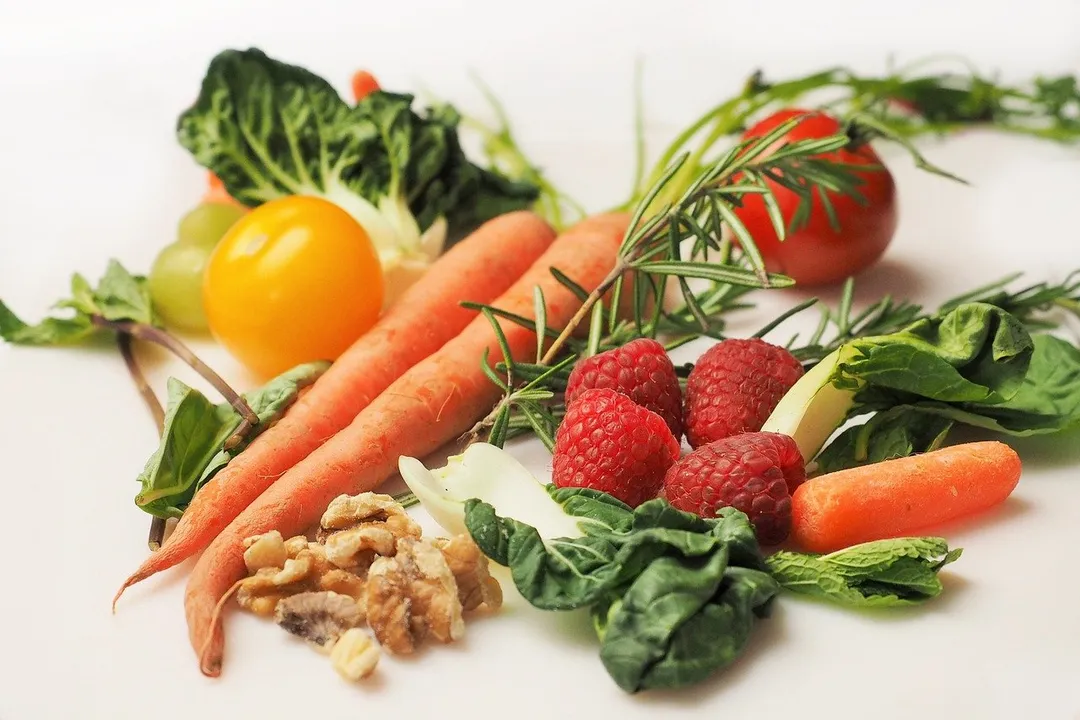
The longevity of the food we consume, from the juice in our morning glass to the bread on our table, relies on a sophisticated chemical defense system. These essential additives, known as preservatives, are compounds introduced to food to inhibit the growth of microorganisms like bacteria, yeasts, and molds, thus preventing spoilage and keeping our food safe and appealing for longer periods. Without them, food safety incidents would skyrocket, and the vast global supply chains that feed us would become impractical. While historical methods like drying, salting, and sugaring laid the groundwork for food preservation, modern manufacturing frequently relies on specific, highly effective chemical agents. Among the extensive list of approved compounds, two chemical guards stand out due to their widespread application across various food categories: Sodium Benzoate and Potassium Sorbate. Understanding these two is key to understanding modern shelf stability.
# Preserving Purpose

Food preservation is about more than just making things last longer; it's about maintaining critical quality attributes. Preservatives act as chemical sentinels, specifically targeting the biological processes that lead to decay. They work to keep food looking good—retaining its natural color—and tasting right by preventing the off-flavors produced by microbial activity. In essence, they provide a safety buffer, protecting consumers from foodborne illnesses.
Historically, preservation often involved methods that drastically altered the food itself, such as heavy salting or high sugar concentrations, techniques that date back centuries. While salt and sugar remain effective, they can drastically change the sensory profile of a product, limiting their use in delicate items like soft drinks or fruit spreads. Chemical preservatives offer precision; they can be added in minute quantities to achieve the desired inhibitory effect without profoundly altering the product's taste or texture. These substances are classified based on their origin, with some being naturally derived, though the two most common ones we focus on here are synthetic in origin for commercial use.
# Sodium Benzoate Deep Dive

Sodium benzoate is a salt of benzoic acid and is one of the most recognizable chemical preservatives globally, often identifiable on ingredient lists by its E-number, E211. This compound is exceptionally adept at stopping the growth of yeasts and molds, which are common culprits in food spoilage. Its mechanism of action involves interfering with the microorganism's cellular processes, specifically their ability to absorb nutrients and maintain internal balance.
However, the effectiveness of sodium benzoate is highly dependent on the environment it inhabits, specifically the pH level of the food product. For sodium benzoate to work optimally, the food matrix must be relatively acidic, generally having a value below $4.5$. In these acidic conditions, the benzoic acid molecule can more easily enter the microbial cell, where it disrupts the cell's internal environment, leading to inhibition or death. This specificity dictates where it is most commonly applied. You will frequently find sodium benzoate listed in the ingredients of carbonated soft drinks, fruit juices, jams, pickles, and salad dressings—products naturally high in acid content.
While highly effective in its intended environment, sodium benzoate has raised consumer questions, particularly concerning its potential interaction with other common food ingredients. A key concern arises when sodium benzoate is present alongside ascorbic acid (Vitamin C) or certain colorants in acidic conditions, as this combination can lead to the formation of benzene, a known carcinogen. Regulatory bodies strictly monitor the levels of both the preservative and the potential for benzene formation to ensure consumer safety. Furthermore, some individuals report digestive sensitivities; for those prone to conditions like GERD, high intakes of benzoates have been associated with exacerbating symptoms, possibly due to their effect on stomach acidity.
# Potassium Sorbate Profile
The second widely used guard is Potassium Sorbate, known by its E-number E202. Like sodium benzoate, it is primarily deployed to inhibit the proliferation of fungi—molds and yeasts—that can spoil food. It is a synthetic salt derived from sorbic acid and is highly soluble in water, making it easy to incorporate into liquid food systems.
Potassium sorbate shares a functional relationship with sodium benzoate in that it is also -dependent, but its effective range provides a crucial difference in application. While it is most potent in acidic environments, it retains significant antimicrobial activity across a slightly wider range than benzoate, making it an excellent choice for products that are not intensely acidic. This versatility leads to its inclusion in a vast array of processed foods, including baked goods, cheese, wine, dried meats, and even some dairy items. In baked goods, for instance, where moisture content and might not be as aggressive as in a lemon soda, potassium sorbate provides reliable mold control on the surface and throughout the crumb.
When comparing the two, it is useful to remember their primary roles: sodium benzoate is often the first line of defense in highly acidic beverages, whereas potassium sorbate is a workhorse across many intermediate-acidity foods, especially those where mold is the dominant spoilage organism. From a health perspective, potassium sorbate is generally considered one of the safer preservatives. Studies suggest it has a low toxicity profile and is often less implicated in consumer complaints compared to some other additives. However, it is worth noting that even preservatives like sorbates are being examined for their impact on the gut's native microbial balance, mirroring broader research into how our modern diet affects the microbiome.
# Comparing Guards
To truly appreciate why these two are so common, one must look past their individual strengths and analyze their combined utility in food formulation. We can contrast them based on their core chemical behavior:
| Preservative | Common E Number | Primary Target | Optimal Range | Typical Use Example |
|---|---|---|---|---|
| Sodium Benzoate | E211 | Yeast/Mold | less than $4.5$ | Carbonated Soft Drinks, Pickles |
| Potassium Sorbate | E202 | Mold/Yeast | Effective up to $6.5$ (better below $6.0$) | Cheese, Baked Goods |
The critical difference here is the performance ceiling dictated by acidity. If a manufacturer is creating a low-pH product, such as a strongly acidified fruit drink, sodium benzoate is highly effective, often used alone or in tandem with other agents. If the product is cheese spread or a processed food that sits in a slightly higher band—perhaps around $5.5$ or $6.0$—potassium sorbate maintains its inhibitory power where sodium benzoate might begin to fade. This threshold analysis is the silent decision-making factor for food scientists selecting their chemical protectors.
Beyond these two fungal inhibitors, other preservatives are vital for different spoilage mechanisms. For instance, sulfites are widely used, particularly in wine and dried fruits, to prevent browning and inhibit bacteria and yeasts. Similarly, nitrites and nitrates are essential in cured meats, not just for preservation against dangerous bacteria like Clostridium botulinum, but also to maintain the characteristic pink color and flavor of products like bacon and ham. Understanding that benzoate and sorbate cover the vast mold/yeast sector, while others cover bacterial threats or oxidation, reveals the complementary nature of the preservative system.

# Beyond the Food Aisle
While our focus has been on ingested goods, it is important to recognize that the concept of preservation extends into other critical fields, such as medicine. In the pharmaceutical sector, sterility and stability are non-negotiable, and preservatives serve a similar function in multi-dose preparations like ophthalmic solutions or injectable drugs. Pharmaceutical preservation often requires different chemicals, such as parabens (like methylparaben or propylparaben), benzyl alcohol, or chlorobutanol, which are selected based on their compatibility with the active drug ingredients and their necessary efficacy in aqueous solutions. This highlights that "preservative" is a functional classification, and the specific chemical used is always tailored to the product's specific chemical and microbial challenge.
# Consumer Navigation
The general trend in consumer preference is moving toward products labeled with familiar ingredients, often referred to as "clean labels". This sometimes puts pressure on manufacturers to replace or minimize synthetic preservatives, even effective ones like E211 and E202. Consumers often equate "natural" with "safe," leading them to seek products free from chemical additives, even if the alternative preservation methods (like using very high salt or sugar) result in a nutritionally inferior product.
For consumers wishing to be informed about what they are consuming, the most actionable step is learning to recognize these common ingredients on ingredient labels. While the -number system is standardized across many regions, the full chemical name—Sodium Benzoate or Potassium Sorbate—is often required as well. This simple act of identification allows shoppers to correlate preservative use with their own dietary preferences or known sensitivities.
A vital point often overlooked by the general public is the regulatory reality: these preservatives are only permitted at levels deemed safe and effective by food safety authorities. A preservative is not inherently "bad"; it is the dose and context that matter. A product containing a minuscule, regulated amount of potassium sorbate to prevent mold growth on a baked good is entirely different from a situation where chemical breakdown (like benzene formation from sodium benzoate) could occur due to improper formulation. Thinking of preservatives not as an absolute good or evil, but as regulated tools, helps put their necessity into perspective. For instance, avoiding a preservative that prevents mold in a cream cheese spread might lead you to consume a product that spoils rapidly, potentially introducing more dangerous, unregulated mold contamination than the intended chemical agent. The careful selection and application of compounds like Sodium Benzoate and Potassium Sorbate remain foundational to delivering safe, accessible food in the modern world.
Related Questions
#Citations
What are preservatives and what are common examples used in food?
Two Common Preservatives: Potassium Sorbate and Sodium ...
Preservative - Wikipedia
7 Preservatives to Watch Out For - Small Axe Peppers
Preservatives – Keeping our foods safe & fresh
Common food preservative has unexpected effects on the gut ...
Understanding Pharmaceutical Preservatives - Fagron Academy
The Most Common Methods for Food Preservatives - Titan Biotech Ltd.
Preservatives: Uses, Benefits, and Risks - GERDHelp.com