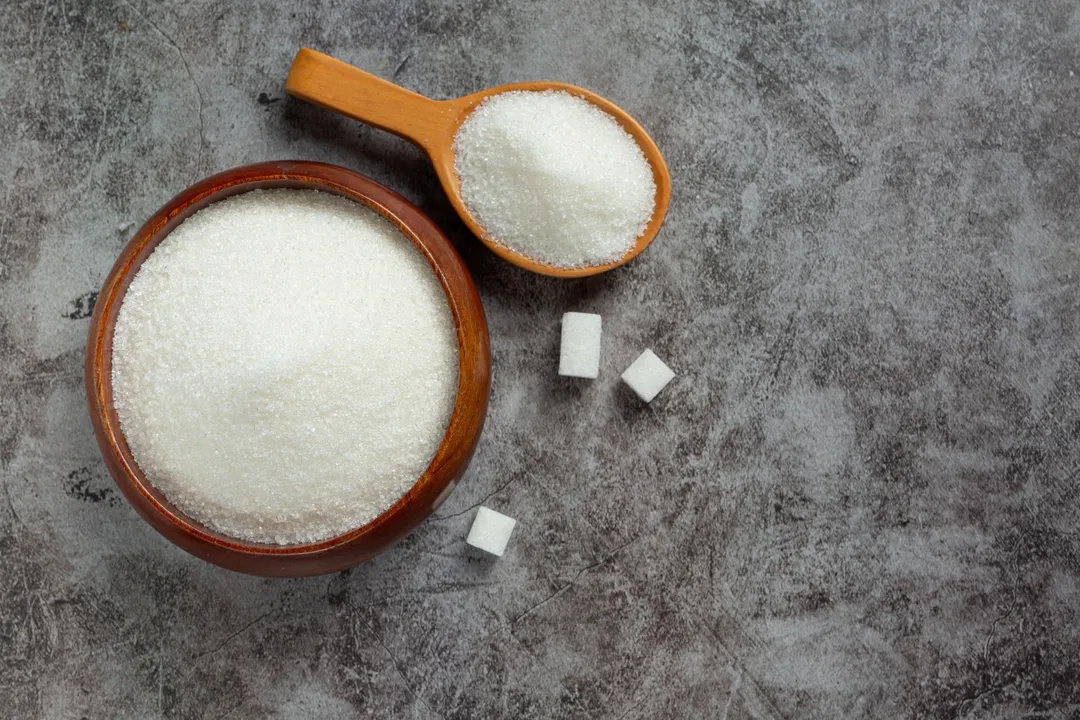
How does the traditional method of salting preserve food by affecting water availability?
It draws moisture out of the food through osmosis, making water unavailable for bacteria.
Salting is a fundamental, time-tested preservation technique based on the physical process of osmosis. When a high concentration of salt is applied to food, the difference in water potential between the salty exterior and the food's interior causes water to move out of the food cells and into the salt solution. This extraction of moisture drastically reduces the available water activity within the food matrix. Since microbial growth, including bacteria and mold, requires a certain level of available water to carry out metabolic functions and reproduce, removing this essential element effectively halts or severely slows down spoilage, which is why salting is crucial for curing meats and preserving vegetables.