What low-cost tea remnants often fill traditional flat tea bags, leading to bitterness?
Answer
Fannings and dust
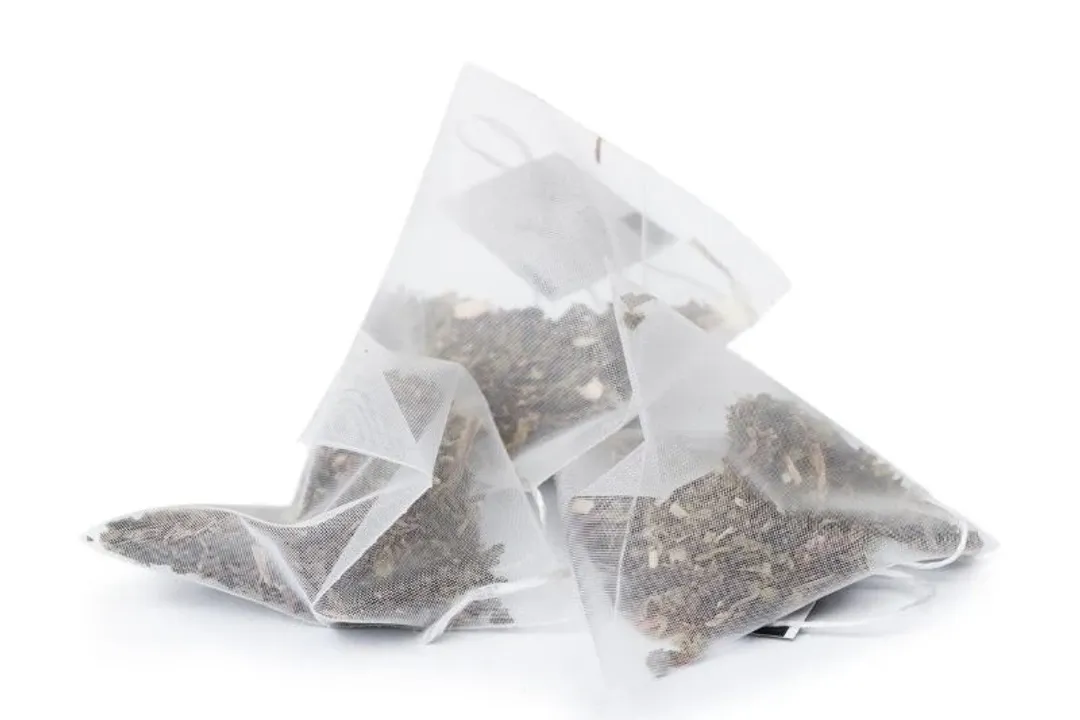
Traditional, low-cost tea bags are typically filled with tea particles known as fannings and dust. These are the very small, broken remnants generated during the tea production process. Because these particles are fragmented and small, they tend to release their flavor aggressively and very rapidly upon contact with hot water. This aggressive release mechanism often results in flavor profiles that are overly extracted, excessively bitter, or simplified to merely a one-note 'tea dust' taste, failing to deliver the complexity found in higher-quality preparations.
#Videos
What makes a pyramid tea bag unique? | Unilever Food ... - YouTube
Related Questions
Which brand spent four years developing the pyramid tea bag design introduced around 1996 or 1997?What body did Tetley complain to regarding PG Tips advertising claims about pyramid bag brewing efficiency?What geometry-based feature does the pyramid shape introduce that increases internal capacity over a flat bag?How does the internal movement inside a pyramid sachet mimic the ideal loose-leaf brewing environment?What low-cost tea remnants often fill traditional flat tea bags, leading to bitterness?Why are pyramid bags often associated with premium selections and superior flavor complexity?What is the core market demand that the pyramid tea bag design is described as the physical manifestation of?What plant-cellulose material, derived from sources like corn starch, is frequently utilized in modern, high-quality pyramid bags?What component found in many traditional paper tea bags raises concerns about microplastic shedding when steeped in hot water?What practical benefit related to reuse do high-quality pyramid bags sometimes offer over standard flat bags?