Is Coca-Cola a GMO product?
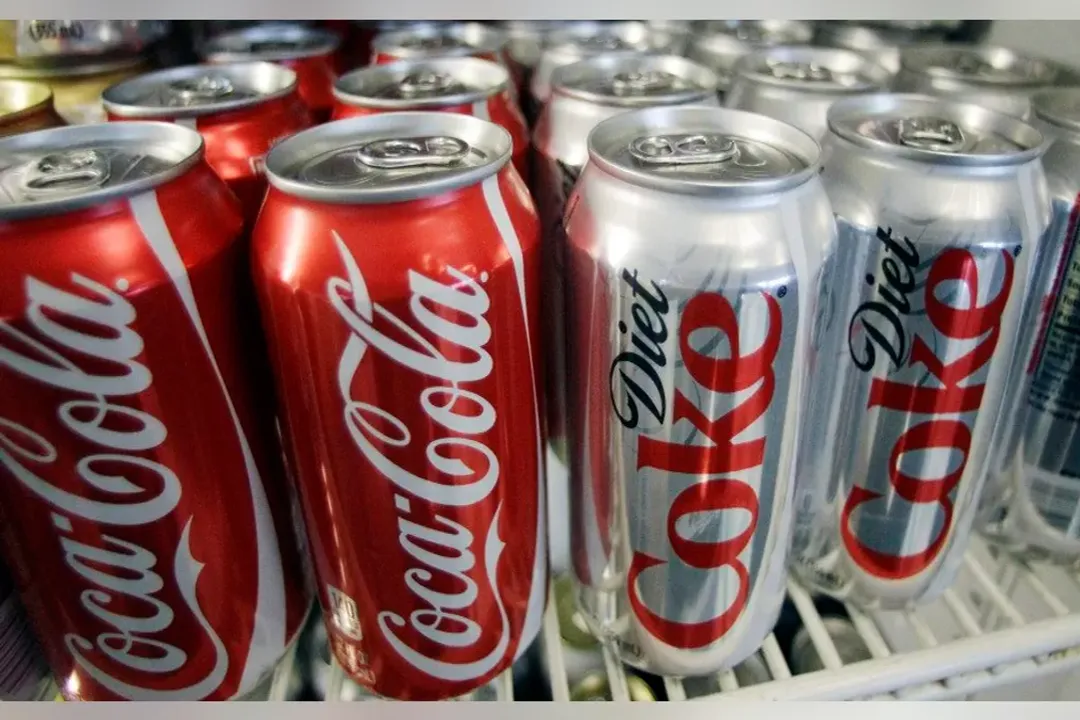
The question of whether a bottle of Coca-Cola contains genetically modified organisms is rarely a simple yes or no answer; it’s a matter heavily dependent on geography, the specific product line, and the ingredient used as the sweetener. Many consumers connect soda directly with genetically modified ingredients because of the widespread use of corn-derived sweeteners in North America, placing major beverage producers under intense scrutiny from consumer advocates. Understanding the situation requires looking past the iconic red branding to examine the sourcing of the corn and sugar that provide the drink's signature taste.
# Company Stance
Coca-Cola’s position, as outlined by its bottlers, generally centers on adherence to local regulatory requirements regarding ingredients and labeling. The company has stated that it complies with all applicable labeling laws and regulations in the markets where its products are sold. Furthermore, in discussions surrounding mandatory disclosure, major food and beverage manufacturers, including Coca-Cola, have indicated support for mandatory GMO disclosure legislation. This suggests a policy of compliance when laws dictate disclosure, rather than a proactive initiative to label ingredients that are currently unregulated in a specific region. For many consumers, this regulatory compliance stance does not fully address the desire for ingredient transparency, leading groups to actively campaign for the company to voluntarily label its products containing GMOs.
# Sourcing Ingredients
The primary element that links Coca-Cola formulations to genetically modified crops revolves around the sweetener used. In the United States, the classic Coca-Cola is often sweetened with High Fructose Corn Syrup (HFCS). The vast majority of corn grown in the US, the source material for HFCS, is genetically modified. Because HFCS is derived from this corn supply, products heavily reliant on it carry an inherent connection to GM agriculture.
However, this is not a universal truth across the brand’s entire portfolio or global market. In many other regions, Coca-Cola relies on sugar derived from sugar cane or sugar beets. Where cane sugar is the primary sweetener, the link to GMO ingredients is substantially reduced or eliminated, depending on the sourcing of the cane or beet itself. For example, reports often highlight that Coke produced in Mexico, or specific offerings like Kosher for Passover Coke, utilize cane sugar instead of HFCS. This regional variance means that a person drinking a "Coke" in one part of the country may be consuming a product with a different sweetener base than someone just across a border or even in a different state, based purely on the local availability and cost-effectiveness of corn versus cane products.

# Labeling Debates
The intensity of the debate often centers less on the actual presence of the ingredient and more on the consumer’s right to know about it. Activist organizations have called directly on Coca-Cola to clearly label all GMOs on its packaging. These calls reflect a broader consumer movement demanding clear, front-of-package information regarding genetically engineered components.
Contrast this with the industry's approach to mandatory disclosure laws. When manufacturers express support for mandatory labeling, it often implies they prefer a standardized, federally enforced system over a patchwork of state-by-state requirements or voluntary actions. While supporting mandatory disclosure might sound like transparency, critics argue it can also be a tactic to delay or supersede more rigorous voluntary labeling efforts or to ensure that any resulting label is minimally informative. The debate heats up because proponents of GMO avoidance often perceive major soda companies as being resistant to immediate, clear disclosure, sometimes leading to them being listed on "avoid" lists by consumer groups.
# Consumer Clarity
For the average shopper, navigating this landscape requires more than just reading the main ingredient list. If a product contains HFCS, it is highly likely to be derived from GM corn in the US market, even if the label does not explicitly state "GMO." This creates an information gap where the consumer must apply external knowledge about agricultural norms—specifically, the dominance of GM traits in US corn production—to interpret standard ingredient statements.
It’s worth noting that the supply chain itself is complex. Even if the initial corn crop is GMO, the refinement process to create HFCS involves several chemical and enzymatic steps. The debate then shifts: are the resulting syrup molecules considered "genetically modified" in the final product, or is the concern strictly about the source material? Most advocacy focuses on the source material, arguing that by using GM crops, the company is financially supporting the GM industry.
This complexity highlights an important difference between ingredient sourcing and processing. While one might find a product containing ingredients that have gone through significant transformation, the regulatory definition of a GMO food product often hinges on whether detectable, modified DNA remains in the final consumable item. For the consumer focused on avoiding the technology entirely, the source crop’s status dictates the purchasing decision.
# Information Gaps
The challenge for the public lies in keeping track of formulation changes. A company like Coca-Cola operates on massive scales, making ingredient sourcing subject to fluctuation based on commodity pricing and availability. What was made with cane sugar last year due to market conditions might revert to HFCS this year if corn prices drop or if the product is being manufactured in a facility that primarily handles corn-derived ingredients. This fluidity means that even if a consumer successfully buys a "non-GMO" version once, they cannot guarantee the next bottle will be identical without re-checking the label or sourcing information, a task few casual buyers undertake.
Furthermore, examining the broader behavior of companies named in these discussions, such as PepsiCo and Nestlé, alongside Coca-Cola, shows a pattern where major beverage and food producers frequently find themselves targeted by consumer groups concerned about GMO sourcing. This pattern suggests that the issue is systemic within the mass-produced beverage industry that relies on commodity crops like corn.
Ultimately, a consumer seeking definitive, non-GMO certainty in a US-purchased bottle of mainstream Coke must generally look for alternatives sweetened with cane sugar or opt for certified organic products, as the standard formulation relies heavily on a widely accepted, though controversial, GM-derived ingredient base. The official stance provides assurance of legality, but it does not automatically equate to the elimination of ingredients sourced from genetically modified seeds in the American market.
Related Questions
#Citations
GMO Sodas
Genetically modified organism (GMO) position statement
Have a Coke and a … GMO? - POLITICO
r/news on Reddit: PepsiCo, Coca-Cola, and Nestlé are among food ...
Tell Coca-Cola to Label GMOs on the Package!
Coca Cola products with real sugar and allergen information
Coca-Cola Responds to Demands for Change - Green America
Many Nutritionists Miss the Bigger Picture on Cane Sugar Coca-Cola
Leading Food Companies Support Mandatory GMO Disclosure