What is malida made of?
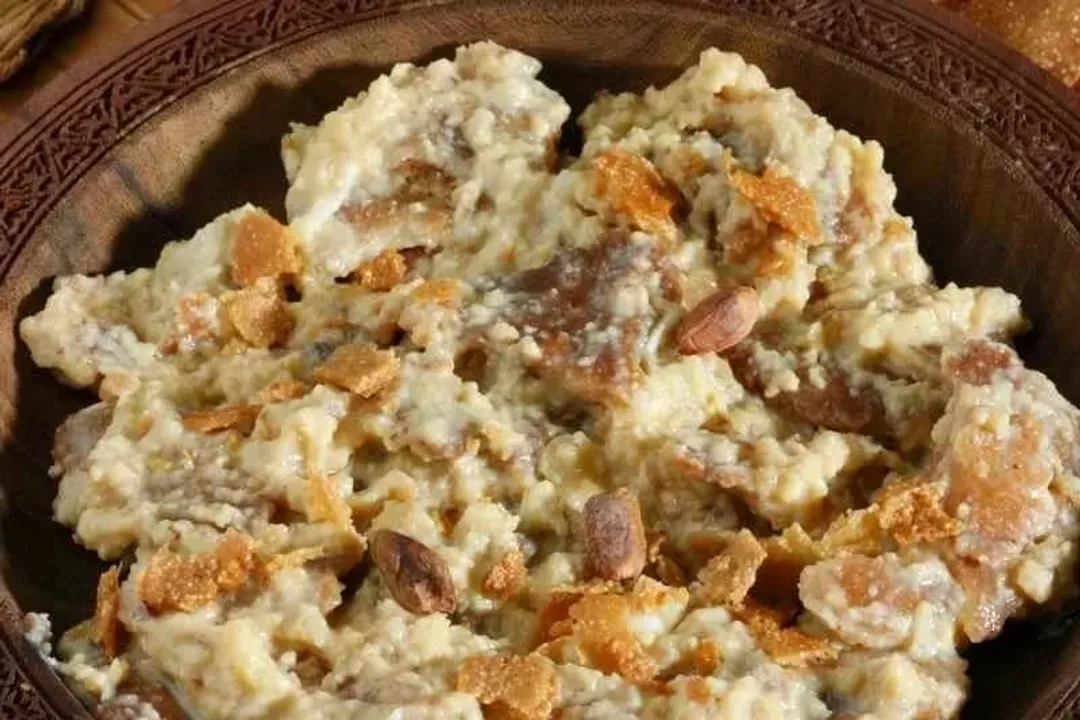
The simple question of what malida is made of quickly reveals a wonderfully complex answer rooted deeply in the culinary traditions of the Indian subcontinent and its diaspora. Far from being a single, monolithic recipe, malida refers to a category of preparation, often associated with sweet, textured snacks or light meals, whose defining characteristic is a crumbled base ingredient mixed with flavor enhancers. At its most classic interpretation, this base is fried flatbread, specifically pieces of puri or roti that have been broken down into fine crumbs.
# Bread Base

The foundational element of traditional malida is a form of unleavened flatbread. In many contexts across regions like Bengal, Bihar, and Uttar Pradesh in India, the preferred starting material is the puri, a deep-fried, puffy bread. When the puri is used, the resulting malida often carries a subtle richness imparted by the frying process, giving the final product a distinct texture that is both crisp and yielding once mixed with liquids or fats. Alternatively, plain, dry roti or chapati can be used as the dry base instead of puri. This substitution immediately changes the profile; roti-based malida tends to be less rich and perhaps slightly chewier than its puri counterpart, offering a different mouthfeel.
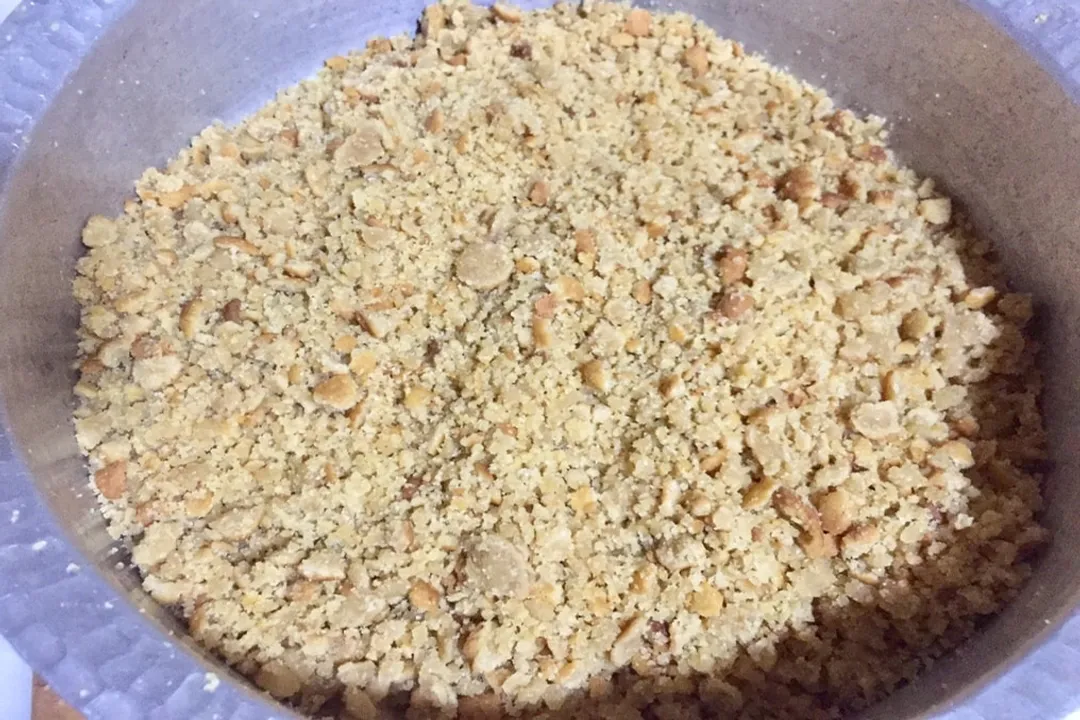
The process requires the bread to be thoroughly broken down, usually by hand, into small, uniform pieces. This initial crumbling is essential to ensure that the subsequent additions—be they sugar, spice, or fruit—are evenly distributed throughout the mixture, which is a crucial step in achieving the desired consistency.
# Sweet Additions
While the base provides structure, the defining flavor of the most common version of malida is sweetness. This sweetness is typically introduced through refined white sugar. The amount of sugar dictates the final character, ranging from a lightly sweetened treat to a confectionary item.
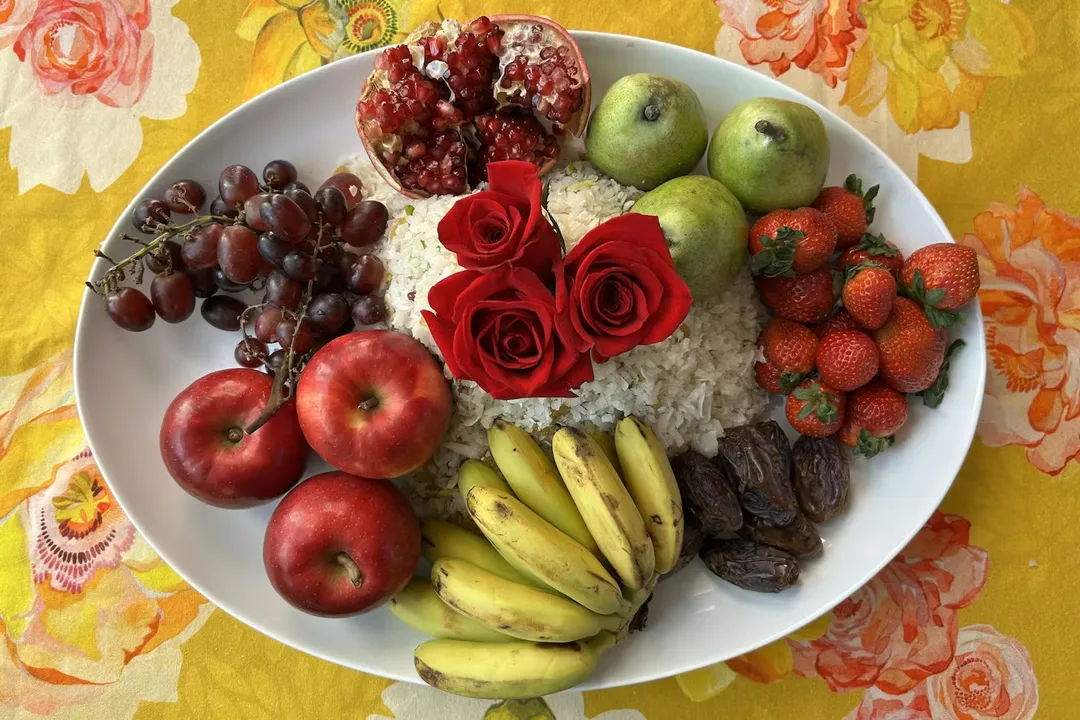
Beyond simple sugar, several other ingredients are frequently incorporated to build complexity in the sweet preparation. Finely shredded or desiccated coconut is a common addition, lending a tropical note and adding fibrous texture to the blend. Nuts are almost always present, adding necessary crunch and healthy fats. Common choices include sliced or chopped almonds and cashews. Dried fruits provide pockets of intense, chewy sweetness and contrasting color. Raisins and chopped dates are frequently mentioned components in sweet malida recipes.
Some preparations introduce moisture and richness beyond what the dry ingredients offer. A splash of milk or a drizzle of ghee (clarified butter) can be folded into the mix just before serving, transforming the crumbly texture into something richer and slightly cohesive, almost like a moist pudding or crumb topping. The Jewish Food Society's recipe, for instance, details a variation where cooked rice replaces the bread base, suggesting that the concept of a sweet, mixed crumb dessert is applied to different starchy foundations, here incorporating spices like cardamom and cinnamon alongside the nuts and fruit.

# Regional and Contextual Divergence
The term malida carries different weight depending on the geography or the specific occasion it is prepared for. This ambiguity means that "what it is made of" is highly dependent on where you are asking the question.
# Ramadan Preparation
In many South Asian communities, malida holds particular significance during the month of Ramadan. It is frequently prepared for Iftar, the evening meal used to break the daily fast. In this context, it serves as a quick, energy-dense dish, providing the necessary sugars and fats after a day of fasting. The focus here is on rapid replenishment, making the combination of sugar, bread, and maybe some ghee very effective.
# Mauritian Context
In the Mauritian diaspora, malida retains its significance but often appears integrated with local tastes. While the core concept of a sweet, mixed base remains, specific local ingredients might feature prominently. Although a specific Mauritian recipe breakdown is not detailed across all sources, dishes shared by Mauritian cooks often lean heavily on preserved fruits and perhaps local sweeteners or spices, adapting the Indian subcontinent’s original concept to the island’s pantry.
# A Savory Counterpart
Perhaps the most significant divergence from the common sweet perception is the existence of a savory malida. The Islamicity source points to a recipe where the base might be crumbled paratha (a layered, flaky flatbread) and the mix includes savory seasonings like ground cumin and salt, with an option for chili powder. This savory iteration moves malida away from a dessert or Iftar treat and closer to a spiced snack or accompaniment.
This duality—sweet versus savory—highlights a key insight into the dish’s nature: malida is less about a fixed ingredient list and more about a method of transforming a starch base (bread or sometimes rice) through crumbling and mixing with contrasting flavor profiles (sweetened spices or savory herbs). Understanding this methodological core is more important than memorizing one ingredient list.
# Variations in Texture and Presentation
The final texture of malida is arguably as important as its taste, and it varies based on the wet ingredients used. A drier malida, made simply by mixing crumbled bread with sugar and nuts, remains very crumbly, easy to store, and feels light in the mouth. This is excellent for a quick energy boost.
Conversely, adding milk or ghee creates a much heavier, denser product. When milk is introduced, the crumbs absorb the liquid, softening the texture considerably. This variation can transform the dish into something eaten with a spoon rather than by hand, acting more like a soft pudding or kheer substitute.
To appreciate the range, consider this comparative look at two primary ingredient sets:
| Component | Sweet Malida (Common) | Savory Malida (Alternative) | Rice-Based Malida |
|---|---|---|---|
| Base | Crumbled Puri or Roti | Crumbled Paratha | Cooked Rice |
| Primary Flavor | Sugar | Salt, Cumin | Sugar, Cardamom, Cinnamon |
| Add-ins | Coconut, Raisins, Dates, Almonds, Cashews | Chili Powder (Optional) | Raisins, Dates, Assorted Nuts |
| Moisture/Binder | Ghee or Milk (Optional) | N/A (Usually dry) | N/A (Relies on rice moisture) |
When preparing malida at home, a practical tip is to always crumble the bread base first, then set aside a small portion. Mix the main bulk with your desired flavorings (sweet or savory). Then, incorporate any wet elements (milk, ghee) slowly into the reserved portion. This allows you to create a dual texture in one batch: a dryer, crumbly element and a richer, moister element, which can then be mixed together or layered for visual appeal. This technique adds a layer of textural sophistication that many recipes skip over, focusing only on uniform mixing.

# Cultural Footprint and Experience
The experience of eating malida is intrinsically linked to comfort and tradition. Whether it is the sweet, festive crunch eaten during Ramadan or a simple home snack, it represents economical cooking—transforming day-old bread into something delightful. The sources suggest that watching malida being made, perhaps via short videos or reels, emphasizes the tactile nature of the preparation. The sight of hands deftly breaking down the bread and mixing in vibrant colors from dried fruits creates a connection to the hands-on, traditional preparation methods that underpin much of this cuisine.
The dish’s broad acceptance across different religious and geographical lines—appearing in recipes shared by Jewish, Muslim, and general South Asian culinary groups—underscores its role as a cultural bridge food. While the exact recipe might shift, the underlying concept of a nourishing, textured crumb base remains a shared concept across various communities that have historically shared culinary space on the subcontinent. Its simplicity allows for constant, subtle evolution, making every batch potentially a little different from the last.
To achieve a truly authentic, deeply flavored sweet malida, one consideration that moves beyond the basic ingredient list is the quality and freshness of the puri or roti. If the flatbread is stale or overly dry when crumbled, the resulting malida can be overly hard. If it is too fresh, it can become pasty when sugar is added, as the residual moisture mixes with the sugar crystals. The ideal base has been allowed to air-dry for perhaps a day, providing enough rigidity to crumble cleanly without turning into fine, unappetizing powder. This small detail in sourcing the base ingredient separates a good malida from a great one.
Malida, therefore, is not defined by a single ingredient like flour or rice, but by the transformation of a staple carbohydrate into a textured confection or snack through intentional crumbling and seasoning, embodying both adaptability and deep-seated tradition across diverse communities.
#Videos
How to make Malida Sweet Recipe - YouTube
Related Questions
#Citations
Malida (Sweetened Rice with Nuts and Fruit) - Jewish Food Society
Forgotten Muharram Malida Recipe made with Soji ... - YouTube
Malida - Wikipedia
Delicious Hyderabadi Traditional Sweet Malida With Ghee And Dry ...
Malida Recipe - Recipe52.com
Malida | Traditional Dessert From Afghanistan | TasteAtlas
Healthy Malida.. . It's a Sweet Dish..It's Traditional ... - Instagram
Satisfyingly Sweet Malida: A Dessert to Remember - IslamiCity