Can you eat big eye fish?

The question of whether the fish generally referred to as "big eye" can be safely consumed is complicated by the fact that the name applies to several distinct species residing in different parts of the aquatic world. Whether you are looking at a large, deep-dwelling tuna or a type of snapper or sea bream, these fish are widely eaten, though their preparation methods and flavor profiles vary significantly depending on the specific species in question. [1][3][5] Understanding which "big eye" you are encountering is the first step in determining how best to enjoy it.
# Tuna Profile
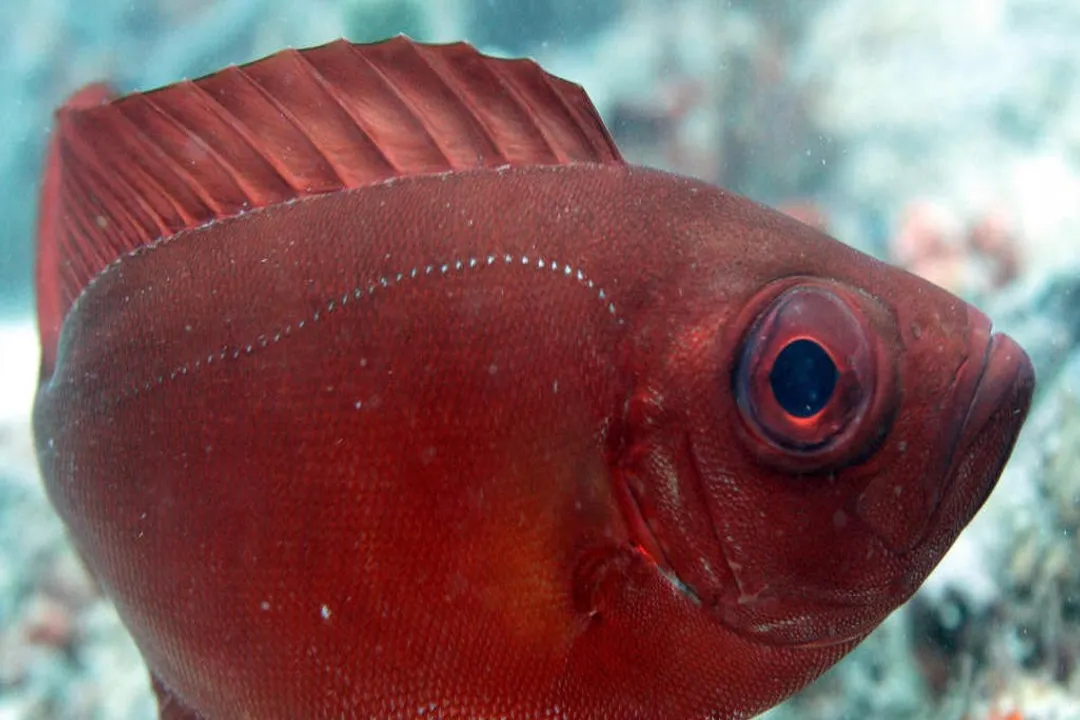
When encountered in high-end seafood markets or sushi restaurants, the term "Bigeye" most commonly refers to Bigeye Tuna (Thunnus obesus). [5][7] This species is a significant commercial fish, valued for its rich flesh, much like its more famous relatives, Bluefin and Yellowfin Tuna. [2][7]
Bigeye Tuna is generally considered a high-quality option for raw consumption, such as sashimi or nigiri sushi. [2] Its texture is often described as having a medium firmness, sitting between the melt-in-your-mouth richness of high-grade Bluefin and the slightly leaner texture of Yellowfin. [2] The flavor profile is also nuanced; one perspective suggests that Bigeye has a lighter, slightly less intense taste compared to the robust flavor of Bluefin, while still offering a satisfying richness. [2] For those who prefer a slightly milder, yet still decadent, tuna experience, Bigeye fills an excellent niche. [2] Its relatively high fat content contributes significantly to its desirable mouthfeel when sliced correctly. [7]
Chefs resourcefully use Bigeye Tuna across various culinary applications due to its firm texture, which holds up well to different cooking techniques. [7] Beyond raw preparation, it can be grilled, seared, or even used in preparations that require brief cooking times to maintain its internal moisture. [7] The market recognizes its value, featuring it alongside other premier tuna varieties. [5]
# Other Species
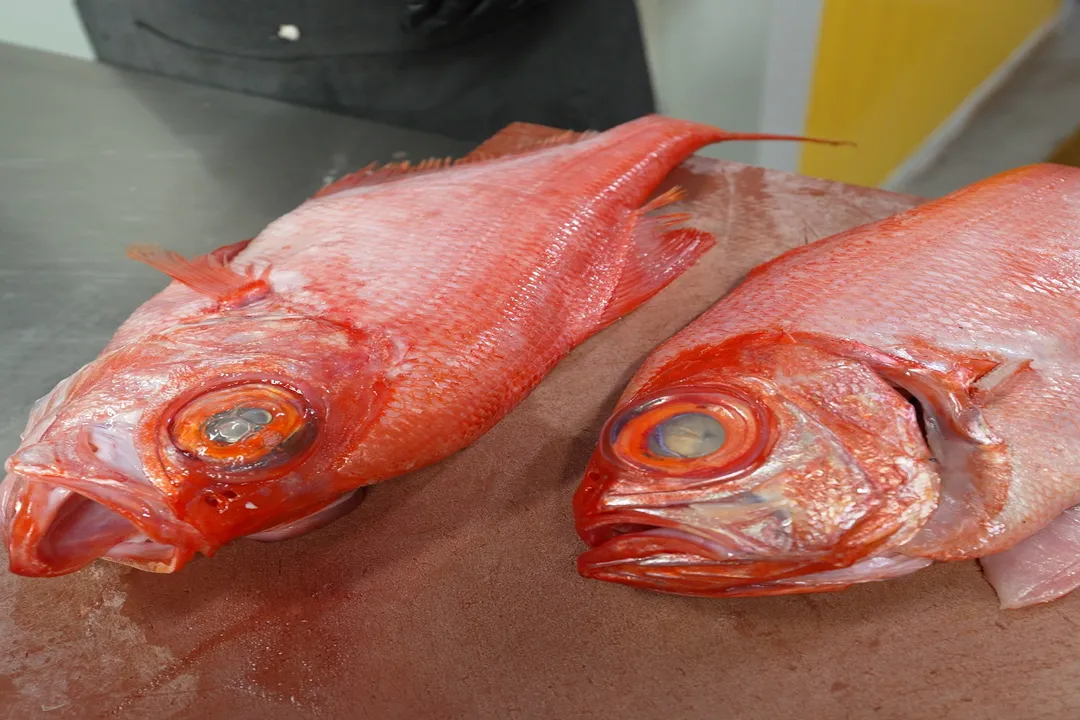
The name "Bigeye" is not exclusive to tuna. There are other fish, often bottom dwellers, that carry this common name due to their disproportionately large eyes. [4] For instance, the Atlantic Bigeye, also known as Catalufa, is one such species. [4] This fish belongs to a different family than tuna and is typically consumed cooked rather than raw. [4]
Another example is the Bigeye Sea Bream (or sometimes simply referred to as Red Bigeye fish in some regions). [1][3] Information suggests that this fish is appreciated in local culinary scenes and is prepared in multiple ways, demonstrating its versatility when not being used for sushi-grade preparation. [1] One source details the successful preparation of Red Bigeye Fish, emphasizing that knowing how to serve it well is key to appreciating its flavor. [3] While tuna is often prized for its deep-red, fatty muscle meat, these other Bigeye relatives are generally prepared via methods like grilling, steaming, or pan-frying. [1][3]
The distinction between the tuna and the non-tuna Bigeye fish underscores a critical point for consumers: always confirm the species, especially if purchasing from a general seafood counter where local common names might overlap. [4] If you see a fish with noticeably large eyes that isn't labeled as Thunnus obesus, assume it is best suited for cooking unless otherwise specified by the vendor. [1][3]

# Preparation Nuances
The method of preparation is intrinsically linked to which Bigeye you have procured. For Bigeye Tuna, achieving the perfect raw slice requires an understanding of its fat content relative to other tunas. If we consider Bluefin to be the benchmark for ultimate melt-in-your-mouth fat delivery, and Yellowfin as the leaner, firmer standard, Bigeye sits comfortably in the middle. [2] This middle ground means that if you are searing a steak, a Bigeye cut might benefit from a slightly shorter sear time than a leaner Yellowfin to retain a desirable, moist center, whereas a Bluefin might tolerate a slightly longer time due to its higher oil reserves. [7]
For the non-tuna Bigeye fish, like the Red Bigeye, successful preparation seems to hinge on accentuating the natural flavor profile through complementary ingredients rather than relying on the fat rendering seen in raw tuna. [3] Recipes for these fish often focus on balancing the taste with aromatics or simple preparations that let the freshness shine through. [1][3] It becomes clear that cooking methods are tailored not just to the fish's texture, but also to how its specific fat composition reacts to heat.
Considering the wide geographic spread of these various species, the preparation you encounter often reflects local availability and tradition. In areas where one type of Bigeye is abundant, local chefs develop trusted methods. For example, in certain island communities, a local "Bigeye" might be prepared simply grilled over an open flame, a method that might be considered sacrilege for a high-grade, sushi-intended Bigeye Tuna caught in deeper Pacific waters. [9] Consumers should always prioritize local preparation suggestions when buying non-tuna Bigeye varieties, as established methods usually reflect optimal flavor outcomes for that specific catch. [3]
# Edible Extremities
A common query related to consuming high-quality fish, especially in the context of sushi, involves the actual eyes of the creature. Yes, it is indeed common for people to eat fish eyes when consuming sashimi or nigiri, particularly when the fish is prized and fresh. [6] This practice extends beyond just the Bigeye Tuna to many other large, premium fish served raw. [6]
The edible parts of the eye include the surrounding jelly-like material and the eyeball itself, which can offer a unique textural experience. [8] Those who enjoy them often describe the texture as popping or gelatinous, sometimes comparing the taste near the eye to the richness of the surrounding fatty tissue, like the belly cut (toro) of tuna. [8] However, this is entirely a matter of personal preference, and many diners choose to leave the eyes and surrounding areas untouched. [6]
If you are sampling Bigeye Tuna prepared as sashimi, the likelihood of encountering the eye area is lower, as the fish is typically meticulously processed into lean loin blocks for slicing. [2] The practice is more common when eating smaller fish whole or when ordering cuts that are closer to the head section, where the eye structure is more intact. [6] When eating any fish eye, freshness is paramount; the quality degrades quickly, turning the texture unpleasant if the fish is not impeccably fresh. [8]
When evaluating whether to try the eye of a Bigeye Tuna, remember that the desirability of this component often correlates directly with the overall quality and freshness rating of the cut you are eating. If the accompanying flesh is sublime, the eye might offer a textural novelty; if the fish is mediocre, the eye will likely be unappealing. [8] A good rule of thumb for judging the general quality of any large, commercially sold fish, including Bigeye, is to observe the clarity of the eyes when whole; clear, bulging eyes are a sign of a recent catch, a principle that certainly applies if one intends to consume those parts. [4]

# Summary of Consumption
In summary, the vast majority of fish marketed under the "Bigeye" moniker are edible and highly regarded within their respective culinary categories. [1][5] The main takeaway for the consumer is identification:
- Bigeye Tuna (Thunnus obesus): Excellent for raw preparation (sashimi/sushi) due to its medium-fatty, rich flesh. [2][7]
- Other Bigeye Species (e.g., Atlantic Bigeye, Sea Bream): Primarily eaten cooked; versatility in preparation methods like grilling or steaming. [1][3][4]
The choice between eating the eye is a personal one, rooted in textural preference rather than a necessity for flavor, and is usually only relevant when the fish is served whole or in very specific cuts. [6][8] Regardless of the species, the prominence of the name suggests a fish recognized for its size and culinary merit across various global seafood traditions. [1][5]
Related Questions
#Citations
Big eye sea bream - prized fish cooked 2 ways! - Facebook
Bluefin, yellowfin, and big eye tuna? Taste differences and uses?
How to Serve Red Bigeye Fish Well - Komira
Atlantic Bigeye (Priacanthus arenatus) - Fish Index
Bigeye Tuna - Species | Sydney Fish Market
Is it common for people to eat fish eyes when consuming sashimi or ...
Bigeye Tuna - Chefs Resources
Yes, You Can Eat Fish Eyes. Here's How To Cook Them - Yahoo