Why do oysters make you feel?

The sensation people describe after eating oysters—a mood lift, a feeling of euphoria, or perhaps even a romantic tingle—is often attributed to a mix of hard science and enduring cultural myth. It’s more complex than simply consuming a delicacy; it involves specific trace minerals interacting with brain chemistry, layered over centuries of lore connecting shellfish to vitality and love. [1][5] When you enjoy that briny, cool bite, you are consuming a dense packet of nutrients that have real, measurable effects on the body, alongside the sheer pleasure of the experience itself. [7]
# Mineral Powerhouse
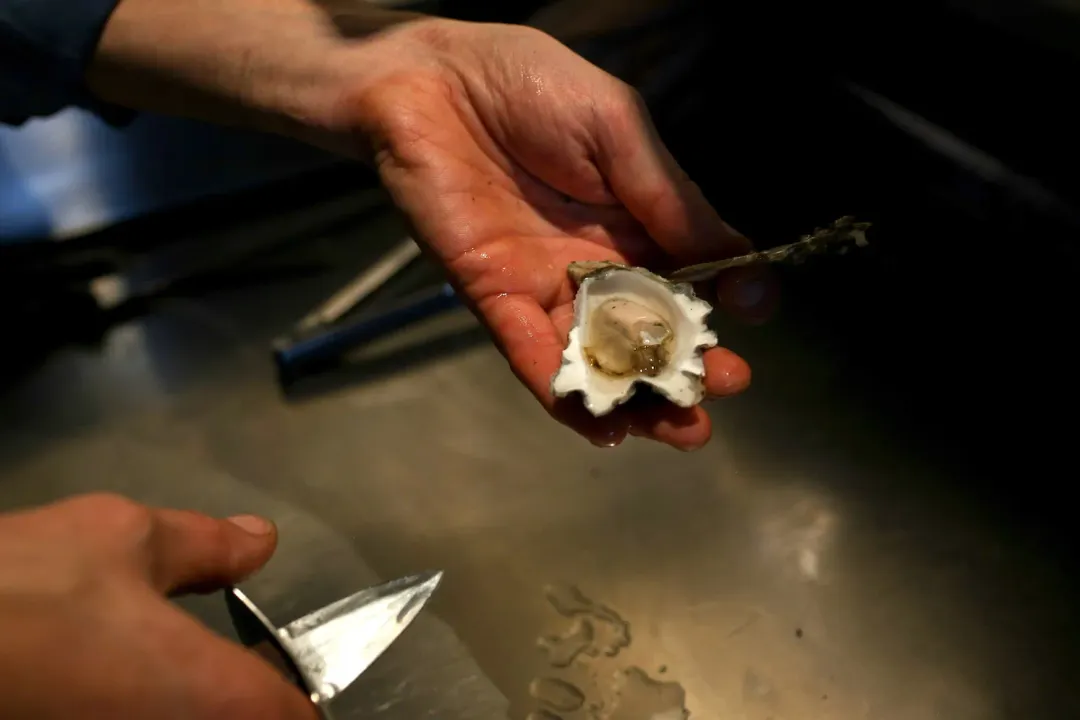
Oysters are nutritional heavy hitters, packing significant amounts of several key vitamins and minerals that directly influence how good you feel, both physically and mentally. [5][7] The most frequently cited component in discussions about oyster-induced euphoria is Zinc.
Zinc is an essential trace mineral, meaning the body needs it, but only in small amounts, yet it is critical for numerous bodily functions, including immune defense and protein synthesis. [1][7] For mood regulation, zinc plays a part in stabilizing neurotransmitter activity. [1] Furthermore, zinc is heavily involved in reproductive health; it’s necessary for testosterone production and sperm development. [6] This direct link to hormones is one major pillar supporting the age-old belief that oysters function as an aphrodisiac. [1][9]
Beyond zinc, oysters deliver substantial doses of Vitamin B12. [5][7] Vitamin B12 is vital for the proper functioning of the nervous system and the formation of red blood cells. [5] Deficiencies in B12 can lead to fatigue and mood disturbances, so replenishing these stores quickly after consumption can result in a noticeable lift in energy and well-being. [5] Another critical player is Selenium, an antioxidant mineral that helps protect cells from damage and supports thyroid function, which in turn regulates energy levels. [7] Finally, the presence of Iron and Omega-3 fatty acids contributes to overall vitality and cardiovascular health, supporting sustained physical feeling good, rather than just a fleeting chemical rush. [7]
It is interesting to consider the timeline of these effects. While the immediate rush might be psychological or tied to the quick absorption of certain compounds, the benefits derived from elements like Zinc and B12 are systemic and build over time. The immediate feeling of well-being might be less about instant testosterone spiking and more about satisfying a nutritional need the body didn't know it had, much like someone who realizes they were slightly dehydrated finally takes a drink of water. [1]
# Mood Chemicals

The feeling of "feeling good" often correlates with specific brain chemicals, and oysters have a purported connection here as well. [1] One hypothesis centers on Dopamine. Oysters contain high levels of D-aspartic acid and N-methyl-D-aspartate, which are amino acids known to stimulate the release of dopamine in the brain. [1] Dopamine is the neurotransmitter primarily associated with the brain's reward and pleasure centers. [1] When levels increase, it results in feelings of pleasure, motivation, and even excitement, which aligns perfectly with the euphoria some people report after eating a plate of raw oysters. [5]
The combination of these nutritional building blocks—the essential mineral Zinc and the dopamine precursors—offers a compelling scientific explanation for the reported mood elevation. It is a direct chemical input leading to a positive output. [1]
# Myth and Romance

The association of oysters with romance and sexual potency predates modern nutritional science by centuries, cementing their reputation as an aphrodisiac. [4][9] This reputation is perhaps best personified by the legend of Giacomo Casanova, the famous Venetian adventurer, who allegedly consumed dozens of oysters daily to maintain his vigor. [4][9]
This folklore persists because the underlying science supports some aspect of the claim, even if the outcome isn't instant magic. The high zinc content supports the body's production of testosterone, a hormone central to libido in all genders. [6][9] In ancient times, observing that cultures with high shellfish consumption often had higher fertility rates might have solidified this link, even without understanding the role of zinc in sperm production. [6] Therefore, the "aphrodisiac" feeling is less about a direct electrical charge and more about providing the body with the necessary raw materials for optimal reproductive and energetic function. [9] This historical narrative strongly colors the experience; knowing the myth makes one expect to feel a certain way, which often primes the brain for that very outcome. [4]
# Deconstructing Intoxication

Curiously, some individuals report feeling "drunk" or lightheaded after eating oysters. [2] It is important to distinguish this anecdotal feeling from actual intoxication. Oysters themselves contain negligible amounts of alcohol—a typical serving would not chemically impair someone. [2]
The feeling of being slightly buzzed or euphoric is far more likely to stem from the accompanying beverages or the circumstances of the meal. [2] Oysters are frequently enjoyed with white wine, champagne, or beer. [2] The combination of these alcoholic drinks, coupled with the general excitement of the social setting often surrounding their consumption, creates the context for the perceived "drunk" feeling. [2] The natural mood boost from the nutrients, paired with the psychological priming of the aphrodisiac myth, can simply amplify the relaxing or pleasant effects of the alcohol consumed alongside them. [5]

# The Experience Factor
While the chemical contributions of zinc and dopamine precursors are significant, the overall feeling is rarely purely chemical. The experience of eating oysters plays a substantial role in the positive affect. [3] For many, eating oysters is an event, not just a snack. [4] They require a certain ceremony: opening the shell, the distinct, clean smell of the sea, and the immediate, cold rush of the oyster meat. [4] This ritual itself can trigger a feeling of enjoyment separate from the biological effects. [3]
When people discuss feeling a sense of euphoria on forums, they are often describing an immediate, powerful, and highly positive sensory event. [3] Imagine a scenario: you are seaside, the air is fresh, you are with company you enjoy, and you are eating a premium, fresh food that you know is inherently good for you. That context amplifies the perceived benefit of every zinc molecule you ingest. It’s a confluence of environment, expectation, and actual biochemistry that culminates in that distinctive "oyster feeling". [4] If you are eating oysters sourced locally, for example, that connection to the regional environment can deepen the positive psychological association compared to eating a farmed import miles from the coast.
# Safety Note
Given the high-value experience, it is prudent to remember that raw shellfish consumption carries inherent risks that can immediately negate any positive feeling. Oysters are filter feeders, and if harvested from contaminated waters, they can harbor bacteria like Vibrio, which can cause serious illness. [1] Ensuring the oysters come from approved, regulated sources is the foundational step to enjoying the mood-boosting, aphrodisiacal benefits without risking severe negative outcomes. [1] The feeling of wellness only lasts if the oyster is safe to consume.
Related Questions
#Citations
Can Oysters Increase Your Sex Drive? - Healthline
Can Oysters Make You Feel Drunk?
r/sushi on Reddit: Does anyone know the cause of euphoria felt by ...
Why are Oysters SO Sexy? - Munchery
Why Do I Feel So Good After Eating Oysters? Nutrition Chart
How Many Oysters Does it Take to Get Horny: An Investigation - VICE
Shellfish 101: Are Oysters Good For Your Health?
Aphrodisiacs: 12 Foods That May Put You in the Mood - Allina Health
The Truth About Oysters as a Valentine's Day Aphrodisiac