What is the primary function of TFM, the key weapon against Sea Lamprey larvae?
Answer
It is a photosensitive lampricide highly specific to sea lamprey larvae
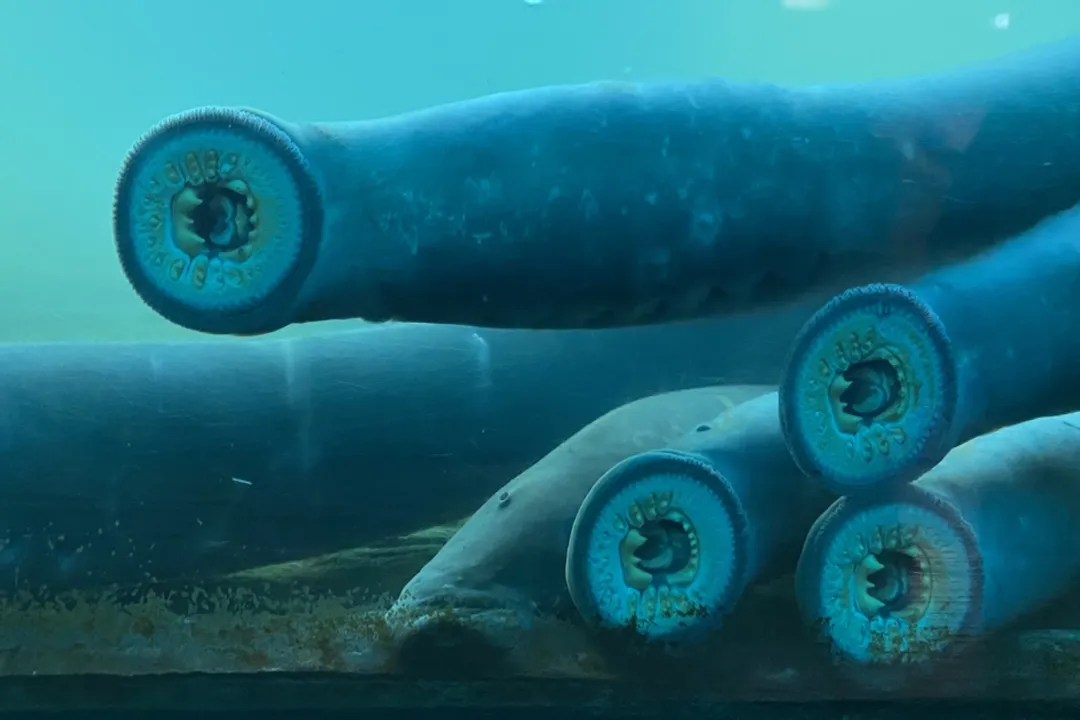
The ongoing control program coordinated by the Great Lakes Fishery Commission heavily relies on a chemical agent known as TFM, which stands for 3-trifluoromethyl-4-nitrophenol. TFM functions as a lampricide, meaning it is toxic to lamprey. A key attribute making TFM valuable for ecosystem management is its high specificity; when applied correctly to spawning streams, it effectively targets and kills the sea lamprey larvae while sparing desirable native fish populations, such as lake trout. Furthermore, TFM possesses photosensitive properties, meaning it naturally degrades when exposed to sunlight, preventing long-term accumulation within the environment.
Related Questions
How did the invasive Sea Lamprey gain access to the Great Lakes ecosystem?Approximately how many razor-sharp teeth line the sucking disk of the Sea Lamprey?What preparation was the highest-rated dish during the Duluth, Minnesota taste tests?What was the mercury level found in the Great Lakes Sea Lamprey during the 1990s project?What is the primary function of TFM, the key weapon against Sea Lamprey larvae?Before control measures were established, approximately how many pounds of fish did lamprey consume annually?What structural element did one Duluth taster find made their lamprey stew crunchy?By what approximate percentage have Sea Lamprey populations been successfully reduced from their historical peak?What is the mandated protocol for handling a confirmed Sea Lamprey caught by a recreational angler?Which lamprey species, native to the West Coast, is considered a culturally vital 'first food' by Native American Tribes?