Are horse mackerels good to eat?
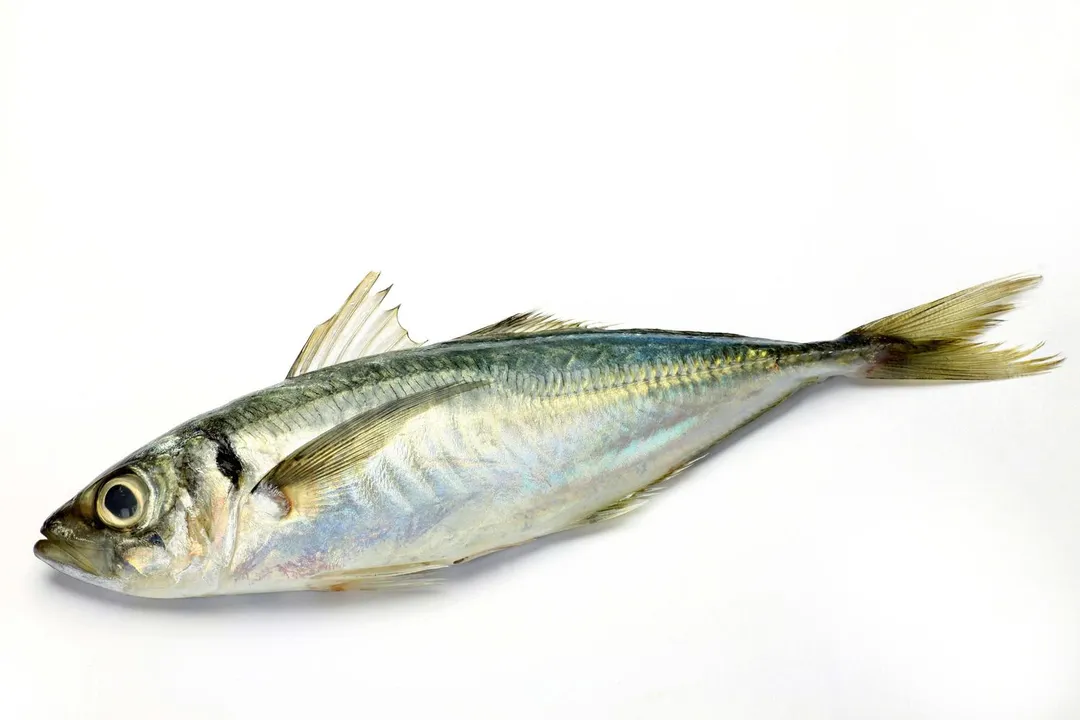
The reputation of horse mackerel is curiously split; in some culinary circles, it is celebrated as a year-round, inexpensive source of high-quality protein, while in other regions, particularly parts of the UK, it is often relegated almost exclusively to being used as bait for catching other species. [2][3] The simple question of whether this fish is good to eat yields a complex answer rooted in geography, preparation, and cultural perspective. [2] For those seeking a highly nutritious, budget-friendly seafood option, understanding the nuances of the horse mackerel, or chinchard as it is known in some areas, reveals a fish with significant culinary potential. [3]
# Fish Identity

Horse mackerel belongs to the Carangidae family and is frequently encountered in the Atlantic and Mediterranean waters. [3] While it often schools alongside "regular" mackerel, it possesses distinct characteristics. Notably, the horse mackerel is typically leaner than its more famous cousin but maintains an impressive nutritional profile, being just as rich in protein and also containing Vitamin D. [3] Its physical attributes include a silvery body that can range in size from about 15 to 45 centimeters, featuring two dorsal fins and a pronounced jaw. [3] A unique feature on its lower belly consists of seven thin spines, which serve as a natural defense mechanism against predators. [3] The texture of its flesh, when fresh, is described as pearly, firm, and delicate, offering a taste experience that contrasts with that of sardines or standard mackerel. [3]
# Nutritional Value
If edibility is measured by health benefits, the horse mackerel ranks quite highly, especially the Red Tail variety, though general species offer considerable advantages. [1][4] Regular consumption, perhaps once or twice weekly, appears to be the standard suggested interval for reaping these rewards. [1]
The nutritional components found within this fish are varied and support several key bodily systems:
- Heart and Inflammation: Horse mackerel consumption is associated with reducing vascular inflammation, which is a significant concern for those managing heart health issues. [1] Furthermore, eating it in a balanced manner may assist in lowering undesirable cholesterol levels. [1]
- Cognitive Function: The presence of unsaturated fatty acids is believed to penetrate the blood-brain barrier, helping to activate brain cells and potentially improving memory and decision-making skills. [1][4]
- Immunity and Strength: Protein, a key component, provides the raw materials necessary for the body to synthesize antibodies, thus enhancing overall immune response against common illnesses like the flu. [1][4] Minerals like magnesium contribute directly to optimal muscular and nerve function, which is particularly beneficial for individuals who engage in regular or strenuous physical activity. [1]
- Essential Micronutrients: This fish is a good supplier of several vital vitamins, including A, B12, D, E, and K, all of which support everything from eyesight and thyroid function to bone health. [1] It is also noted for providing zinc, iron, and calcium. [1][4] The presence of selenium offers antioxidant support, helping the body combat free radicals that contribute to chronic illness. [1]
- Skin and Appearance: Due to its zinc and protein content, horse mackerel aids in maintaining healthy nails, skin, and hair, potentially assisting skin cell metabolism and combating signs of aging, such as eczema or wrinkles. [1][4]
It is worth noting that while some might assume less fat is always better, scientific findings suggest that a proper intake of fish fat, such as the unsaturated fatty acids found here, is indeed beneficial for human health. [4]
# Culinary Applications
The versatility of the horse mackerel in the kitchen is impressive, especially considering its relatively low cost and year-round availability. [3]
# Preparation Spectrum
The sheer range of acceptable cooking methods speaks to its adaptability. It can be grilled, baked, fried, poached, pan-fried, or even braised. [3] For a Mediterranean touch, wrapping it in foil with herbs or preparing Provençal skewers is suggested. [3]
For those who appreciate raw preparations—a common practice in Japan where it is a staple fish—strict safety measures are necessary. [3] To consume horse mackerel raw in dishes like sushi, sashimi, carpaccio, ceviche, or tartar, the fish must be treated first, either by freezing it at -18°C for a minimum of seven days or by cooking it briefly at 60°C for one minute. [3]
# Flavor Selection
A practical piece of advice for the home cook centers on selecting the right fish for the desired outcome. If a diner prefers a stronger flavour, selecting a larger horse mackerel is recommended; conversely, if the goal is to achieve a more refined or subtle taste profile to better match delicate cooking techniques, opting for a smaller specimen is the better choice. [3] For example, preparing a simple ceviche involves thinly slicing fillets diagonally, skinning them, and marinating them in lime juice, ginger, garlic, chili, and coriander before chilling. [3]
Given its high nutritional load, how one cooks it matters for retaining those benefits. When managing blood pressure or cholesterol, the recommendation is to cook the fish at a low temperature using only a small amount of oil to ensure the heart-healthy nutrients are preserved and that blood pressure levels are not negatively impacted by excessive saturated fats. [1]
# An Important Distinction in Consumption
It is striking that while this fish is a staple in Asia and enjoyed across the Mediterranean and North Africa, many UK fishermen view it as strictly bait fish. [2] This regional difference isn't necessarily about inherent unpalatability; rather, it often reflects market demand and local culinary history. When a fish like horse mackerel is widely exported from one area (like the UK) while being highly prized in another (like Japan), it suggests the barrier to widespread adoption in the first area is one of perception or established tradition, not necessarily flavor or quality. [2] If you are new to eating it, treating it similarly to a small, oily sardine or mackerel might be the easiest entry point before attempting raw preparations.
# Handling and Freshness
For any preparation, freshness is paramount, regardless of whether you intend to grill it or turn it into a ceviche. The supplier recommends eating the fish quickly after purchase to capitalize on its prime state. [3] When buying whole, having the fish headed and gutted by the fishmonger can save time, but always examine the flesh upon receipt. [3] Because of its oil content and texture, it does not have the same shelf life presentation as some leaner white fish.
When integrating horse mackerel into your weekly rotation for its health benefits, consider planning your meals around the source. If you are targeting cognitive support and unsaturated fatty acids, a recipe incorporating fresh herbs and a light marinade might be beneficial. If the goal is maximum iron and protein, a straightforward baked or pan-fried preparation using minimal added fat will serve you well. This allows you to match the preparation method to your current health focus.
# Concluding Thoughts on Edibility
Ultimately, the evidence strongly suggests that horse mackerel is indeed good to eat, provided it is handled and cooked correctly. [2][3] It is an inexpensive fish packed with essential nutrients that support the brain, heart, muscles, and immunity. [1][4] The key takeaway is that the resistance to eating it in certain markets appears to be cultural or historical rather than a reflection of its inherent quality or safety, especially when considering its established place in numerous global cuisines. [2][3] From delicate raw slices drizzled with lime to hearty skewers seasoned with rosemary, the horse mackerel offers genuine value for both the palate and the pocketbook. [3]
Related Questions
#Citations
All About Horse Mackerel! - Yahya-peche.com
Horse Mackerel – Catch, Prepare, Cook, and EAT!
What are the benefits of eating Red tail horse mackerel
10 Amazing Health Benefits of Eating Horse Mackerel Regularly