To which biological family does horse mackerel belong, and in which major bodies of water is it commonly found schooling?
Answer
Carangidae family, frequently encountered in Atlantic and Mediterranean waters
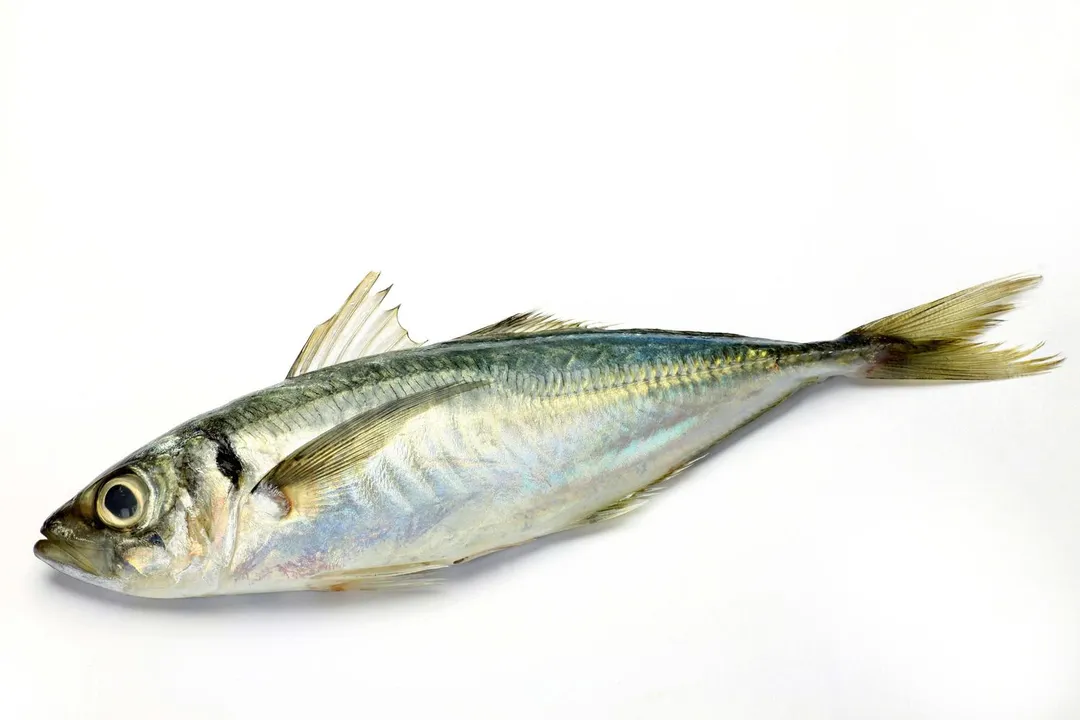
Scientifically classifying the horse mackerel places it within the Carangidae family of fish. This grouping helps distinguish it from other species, even when it schools alongside more familiar fish like the regular mackerel. Geographically, the areas where horse mackerel are frequently encountered are the Atlantic Ocean and the Mediterranean Sea. Understanding its family lineage and natural habitat helps contextualize its availability and inherent characteristics, such as its leaner flesh profile compared to some other oily fish.
Related Questions
What is the required minimum treatment for consuming horse mackerel raw in dishes like sashimi?Which physical feature unique to horse mackerel serves as a natural defense mechanism against predators?How should a cook select the size of horse mackerel based on the desired flavor profile?What role do unsaturated fatty acids found in horse mackerel play regarding cognitive function?In what key nutritional aspect does horse mackerel compare favorably to its more famous cousin, the regular mackerel?What cooking strategy is recommended for horse mackerel consumption if managing blood pressure or cholesterol is the primary health goal?What is the cultural perception of horse mackerel among many fishermen in the UK compared to its status in Asia or the Mediterranean?Which essential vitamins, besides Vitamin D, does horse mackerel supply that support functions ranging from eyesight to bone health?To which biological family does horse mackerel belong, and in which major bodies of water is it commonly found schooling?When selecting horse mackerel for consumption, what texture description is used for its flesh when it is fresh?