standard articles
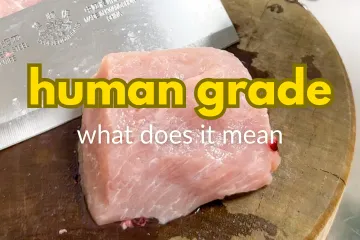
What does the phrase "fit for human consumption" fundamentally imply about a substance?
How does the definition of "fit for human consumption" change in a legal or contractual setting?
According to the RCW section mentioned for Washington State, what factor can render meat adulterated even if the ingredients are safe?
When a product is labeled as *not* fit for human consumption and intended for animals, what does this typically signal?
What does the term "human-grade" usually imply beyond merely being "fit for human consumption"?
In figurative usage, what does stating information is *not fit for public consumption* imply?
What characteristic often defines food served in institutional settings sometimes labeled as substandard (but still safe)?
Which scenario represents an administrative reason for a food item being marked "not fit for human consumption"?
If a batch of meat becomes *not* fit for consumption due to bacterial growth from lack of refrigeration, where does the failure primarily lie?