What are the food preferences?

The myriad choices we make multiple times a day at the dinner table or the grocery store are rarely random; they stem from deeply ingrained food preferences that dictate what we seek out, enjoy, and consume. [7] These inclinations are far more complex than simply liking broccoli or disliking mushrooms; they represent a fascinating intersection of biology, culture, cognition, and personal identity that shapes our health and our daily lives. [3][4] Understanding this landscape requires looking backward to our earliest exposures and outward to the societies we inhabit.
# Early Development

The foundation of what we find palatable often begins long before we ever pick up a fork independently. Exposure during critical developmental windows plays an absolutely massive role in shaping adult tastes. [10] Evidence suggests that prenatal experiences, where flavors from the mother's diet can transfer through amniotic fluid, begin the process of taste familiarization. [10] This initial sensory programming continues immediately after birth through breastfeeding, where dietary components transfer, further conditioning the infant to certain flavors. [10]
This early conditioning is critical because repeated exposure—even to flavors that might initially be perceived as challenging—is key to acceptance. [10] If a child is frequently exposed to a wide variety of tastes early on, they are more likely to develop an expanded preference spectrum later in life. [10] Conversely, a limited early diet can result in a narrower set of accepted foods, potentially leading to pickiness or neophobia (fear of new foods). [10] From a biological perspective, our senses of taste and smell are finely tuned instruments designed to guide us toward necessary nutrients and away from potential toxins, which means initial reactions to bitterness or strong new flavors are often evolutionary safety mechanisms. [1] However, these inherent protective responses can be successfully overridden by repeated, positive association through early social and feeding environments. [10]
# Cultural Mapping

Beyond the biological programming, the cultural context in which we are raised acts as a powerful editor, determining which biological preferences are encouraged and which are suppressed. [2][7] What one society considers a delicacy, another might view with suspicion or outright rejection. [2] Cultural food preferences, which are the established norms of what is considered desirable to eat within a specific group, are deeply integrated into social structures and traditions. [2][9]
For instance, federal nutrition programs aimed at diverse populations must actively strategize to incorporate cultural food preferences to ensure participation and success. [9] This acknowledgment moves beyond simply offering varied menus; it recognizes that for many individuals, food is inextricable from heritage and community identity. [2] The acceptance or rejection of certain ingredients or preparation methods is often learned behavior tied to social acceptance rather than inherent sensory rejection. [2] In settings like schools or hospitals, acknowledging these deep-seated cultural norms is essential; a culturally aligned meal is often perceived as tasting better, even if the nutritional content is identical to a non-preferred option. [2] This underscores a key distinction: preference often dictates consumption more powerfully than objective nutritional value alone. [9]
Here is a brief comparison illustrating how culture overlays biology:
| Factor | Biological Inclination | Cultural Influence | Outcome on Preference |
|---|---|---|---|
| Taste for Spice | Potential pain/warning signal (aversive) | Acceptance based on region (e.g., South Asia) | High tolerance and desire for capsaicin |
| Sweetness | Innate drive for high-energy sources | Moderation/Limitation (e.g., modern Western health trends) | Preference shifts based on social norms |
| Texture | Neophobia (fear of unknown textures) | Repeated exposure in enjoyable contexts | Acceptance of slimy, gelatinous, or firm textures |

# Cognitive Connection
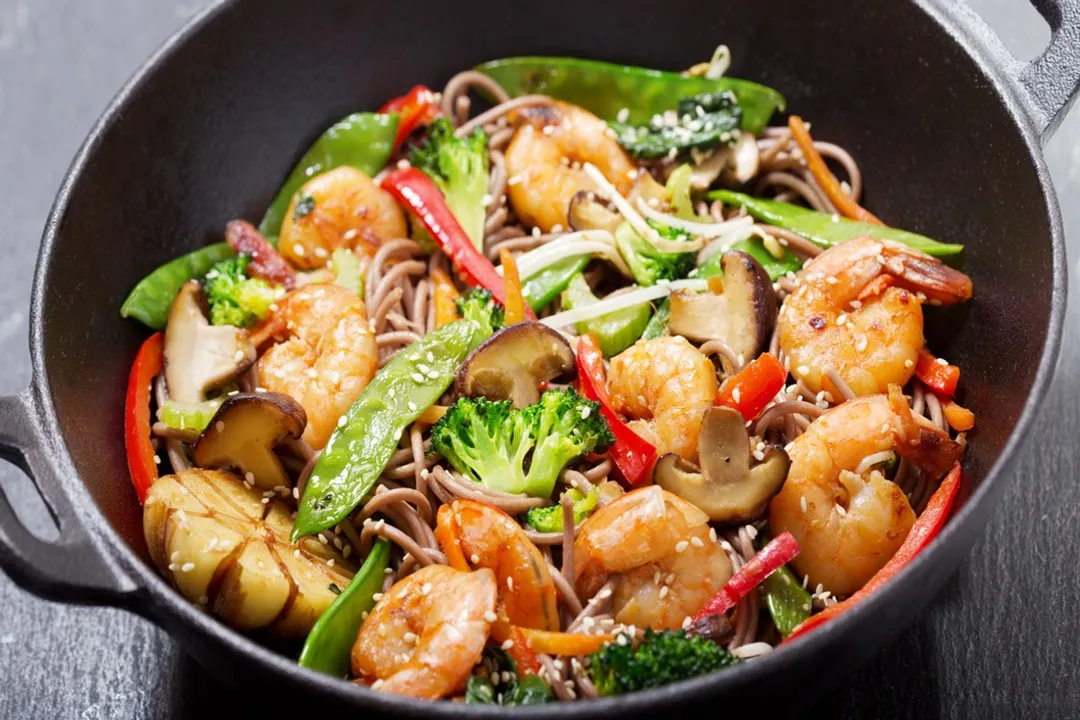
The way we think about food—our beliefs, our health goals, and our current mental state—directly filters our preferences. Food preference is intrinsically linked to cognition, which includes processes like memory, attention, and executive function. [4] The idea that the brain health supports better food decisions is gaining significant attention. [4] When the cognitive system is functioning optimally, individuals may be better equipped to adhere to balanced diets and appreciate a broader range of tastes, moving past simple, immediate gratification. [4]
Conversely, cognitive fatigue or stress can dramatically narrow preferences, often pushing individuals toward familiar, high-comfort, and easily processed foods, regardless of long-term health implications. [4] It stands to reason that engaging the mind with diverse culinary experiences—learning new recipes, reading about origins—can strengthen the cognitive pathways associated with positive food associations, making the act of eating something novel more appealing. [4] This suggests that fostering cognitive flexibility around food is just as important as physical exposure when trying to encourage dietary diversity.
# Personality Reflection
Our plates can sometimes serve as subtle, non-verbal communicators of who we are. Research has explored the tentative links between personality traits and specific food choices, suggesting that food selection might offer a glimpse into an individual's characteristic behavioral patterns. [8] For instance, those who score higher on openness to experience might be more inclined to try adventurous, exotic, or unfamiliar cuisines, valuing the sensory novelty that comes with such choices. [8]
On the other hand, a preference for routine and predictability might manifest as a strong reliance on familiar comfort foods or a dedication to specific brands or preparation styles. [8] While these links should be treated with caution—as they are correlations, not deterministic rules—they highlight that food choice is an act of self-expression. [8] We often select foods that reinforce the identity we wish to project, whether that identity is adventurous, health-conscious, traditional, or pragmatic. [7][8] It's a form of low-stakes identity management that occurs several times daily.

# Generational Tastes
Food preferences are not static across time; they evolve visibly from one generation to the next, often driven by shifts in technology, global awareness, and economic access. [6] The preferences exhibited by Generation Z, for example, show distinct patterns compared to previous cohorts. [6] This generation, having grown up with unprecedented access to global food information and delivery systems, tends to prioritize authenticity and transparency in their food choices. [6]
Gen Z often seeks transparency regarding sourcing and ingredient ethics, demanding to know where their food comes from and how it was produced. [6] They show a high willingness to experiment with global flavors but often within a framework that prioritizes plant-forward options or specific dietary restrictions (like gluten-free or dairy-free) that may be driven by health concerns, perceived wellness, or ethics. [6] This contrasts with earlier generations where price and convenience might have been the overriding factors for mainstream adoption. [7] The digital nature of their consumption means that a food trend can explode globally overnight, creating rapid, intense, but sometimes short-lived preference peaks for specific ingredients or concepts. [6]
# Sensory Perception Limits
While culture and psychology sculpt our desires, the physical limits of our sensory apparatus set the initial boundaries for what can be preferred. Food preference heavily involves sensory characteristics: taste, smell, texture, and even visual appeal. [1] For example, some individuals have a higher density of taste buds (often referred to as "supertasters"), making intensely bitter compounds, like those found in cruciferous vegetables, overwhelmingly aversive, regardless of cultural training. [1] This biological variation dictates a baseline level of sensitivity that must be navigated. [1]
The interaction between smell and taste is particularly potent. Much of what we perceive as "flavor" is actually retronasal olfaction—smells detected as we chew and swallow. [1] A food that smells off or unappealing will almost certainly be rejected, even if the taste receptors themselves register something neutral. [1] Therefore, successful food introduction, whether in a public health setting or at home, must address the aroma as much as the flavor profile. [2][1]

# Actionable Synthesis
Navigating these complex layers—biology, culture, cognition, and personality—offers actionable insights for anyone trying to broaden their own palate or encourage better eating habits in others. Instead of simply insisting on eating a new vegetable, a more effective strategy, drawing on the principles of early exposure and cognitive engagement, might involve a multi-step approach.
First, focus on desensitization through peripheral exposure: Present the disliked food repeatedly in the background—perhaps as a garnish, in a strongly flavored sauce, or even just on the plate—without the pressure to consume a large portion. [10] This reduces the neophobic response over time. [10] Second, tie the food to a positive cognitive anchor: Serve the new item alongside a strongly preferred, familiar dish, or during an enjoyable social activity. [4] This pairs the novel sensory input with a positive memory or feeling, slowly rewriting the brain's association. [4] For instance, introducing a new grain alongside a favorite family recipe allows the cognitive system to safely process the new texture/flavor within a context of trust and enjoyment, rather than presenting it as a standalone challenge. [8] This layered approach respects the biological barriers while strategically engaging the learned psychological and cultural pathways.
The interplay between what we can sense and what we are taught to like is a continuous feedback loop. [7] No single factor—not genetics, not culture, not personality—acts in isolation. Rather, food preferences emerge from the dynamic interplay where biology sets the initial parameters, and environment, memory, and social context write the final script. [3] The ultimate goal for health and well-being remains appreciating this complexity, recognizing that food choice is a multi-faceted human behavior worth understanding. [4]
Related Questions
#Citations
The Development and Public Health Implications of Food ...
Consider Cultural Food Preferences: FAQ | FSG Toolkit - CDC
Food Preference - an overview | ScienceDirect Topics
How food preferences are linked to cognition and brain health
[PDF] Food Preference Patterns: Cultural and National
Gen Z Food Preferences
Food choice - Wikipedia
9 Things That Your Food Might Say About Your Personality
Culturally and Religiously Preferred Foods in FNS Programs
What We Eat Early in Life Influences Our Adult Food Preferences