What to write in food preference?

Communicating what you enjoy eating, and perhaps more importantly, what you absolutely cannot or will not eat, is a deceptively complex task that pops up in many areas of life, from planning a group rafting trip to scheduling a catered business lunch. [8] When a host, caterer, or travel planner asks about food preferences, they are looking for more than just a simple "I like chicken." They are attempting to ensure everyone is accommodated, safe, and satisfied with the provided sustenance. [1][6] The clarity and detail provided in your response directly impact the success of the event or meal arrangements.
# Critical Distinction

The first step in accurately documenting your food requirements is understanding the hierarchy of needs. Not all preferences carry the same weight, and organizers must triage information accordingly. [6] There is a significant difference between a strong dislike, a personal choice, and a non-negotiable medical necessity. [10]
# Allergies First
The most urgent information you can provide relates to allergies. These are potentially life-threatening immune responses, and they must be stated clearly and unequivocally. [1][5] When listing an allergy, you should specify the allergen and the severity if possible, though caution suggests always treating the stated allergy as severe. [6] For example, instead of just writing "nuts," specify "Peanuts and tree nuts (cashews, almonds)". [1] If you have an intolerance, such as to lactose, it is often helpful to list it alongside allergies but explain the impact; for instance, "Lactose intolerant (causes digestive upset, not anaphylaxis)". [10] This context allows the provider to substitute ingredients without causing undue panic or over-catering to a less severe reaction. [6]
# Required Restrictions
These preferences are based on strongly held beliefs or established lifestyle choices, such as vegetarianism, veganism, or religious requirements like Kosher or Halal. [5][7] These are generally non-negotiable for the individual, even if they are not medically dangerous. When documenting these, it is best practice to list the positive requirement (e.g., "Vegan, requires no animal products whatsoever") rather than just listing what you don't eat, as this guides the chef toward appropriate substitutions. [1][5] Similarly, stating a Keto or Paleo lifestyle means the organizer needs to focus on carbohydrate or grain-free options, respectively. [7]
# Aversions and Dislikes
This is the category where people often overshare or undershare. Aversions are simply foods you do not like the taste or texture of, such as cilantro, mushrooms, or overly spicy food. [4][10] While hosts certainly want you to enjoy the meal, these are the most flexible items for the kitchen staff. If you are asked for preferences for a large group meal, you might categorize these dislikes separately from allergies or strict diets. [1] For example, a rafting trip planner might need to know that one person cannot eat gluten, but only prefers not to eat beets. [8]
# Structuring Your Submission

When filling out a form or replying to an inquiry about your food needs, a structured approach ensures nothing important is missed. A simple, prioritized list is usually more effective than a long narrative paragraph. [1][5]
# The Priority Checklist
Think of your needs in descending order of importance. Many professional food preference questionnaires follow this logic, asking for medical necessities before general preferences. [5][7]
- Immediate Danger: List all confirmed life-threatening allergies (e.g., Celiac disease, shellfish allergy). [10]
- Strict Dietary/Religious Needs: List all required exclusions (e.g., Vegetarian, Halal, Kosher). [7]
- Strong Aversions/Intolerances: List items that will genuinely ruin the meal for you or cause discomfort but aren't life-threatening (e.g., severe dairy intolerance, strong aversion to all peppers). [1][8]
- General Likes/Preferences: List preferred proteins, favorite cuisines, or staple starches you enjoy (e.g., "Prefers fish over red meat," "Loves spicy Indian food"). [4][7]
For example, a highly detailed response might look like this:
- Allergy: Dairy (causes severe GI distress).
- Restriction: None.
- Dislike: Olives, cilantro (if present, I will not eat that component of the dish).
- Preference: Prefers mild spice profiles; enjoys rice and potatoes as sides. [1]
This level of detail transforms the vague request for "preferences" into an actionable shopping list for the provider. [1]
# Handling Ambiguity in Response
When you are asked casually, such as in a social setting or when a friend is organizing a casual dinner, the etiquette shifts slightly from formal documentation to conversational clarity. [2][3] If someone asks what you want to eat, and you have restrictions, it is polite to lead with the necessary information. For instance, you might say, "I'm easygoing, but just so you know, I'm avoiding gluten right now, so pasta might be tricky". [3] This frames the restriction as information rather than a demand.
Conversely, if you have no restrictions, it is equally helpful to state that clearly: "I'm an adventurous eater, I enjoy almost everything, so please don't worry about me!". [2] This prevents the host from spending unnecessary time trying to create a special, separate meal for you when none is needed. [3] It's about sharing enough information to make planning easier for the other person, not about presenting an exhaustive culinary resume. [2]

# Beyond the Ingredient List

Food preferences extend far beyond merely identifying ingredients. Preparation methods, texture, and cultural context all influence enjoyment, especially in long-term group settings like extended travel or residency. [8]
# Preparation and Texture
For organized trips, like those involving wilderness excursions, understanding preparation limits is key. A group organizing food for a week of canoeing needs to know if you can eat shelf-stable dehydrated meals, or if you require fresh preparation only. [8] Documenting preferences for preparation might include:
- Whether you prefer items baked, grilled, or fried. [7]
- Tolerance for textures—some people intensely dislike slimy textures (like okra) or overly soft cooked vegetables. [10]
- Spice tolerance: Using a scale like "1 to 5" for heat level is often clearer than words like "mild" or "hot". [4]
If you are filling out a detailed form, look for fields related to cooking style. For instance, if you are trying to manage weight or cardiovascular health, noting a preference for "low sodium" or "minimal added sugars" is valuable information that goes beyond a simple allergy list. [5]
# Generational Context
It is also insightful to recognize that preferences shift across demographics. Research into millennial food preferences, for example, often highlights a strong lean toward transparency and authenticity in sourcing, often prioritizing locally sourced or artisanal items when given the choice. [9] While this might not always translate into a strict "do not eat" list, it informs which meal option you might select when presented with a choice between two equally compliant dishes. [9] A younger traveler might strongly prefer the option sourced from a local farm, whereas another guest might not prioritize that distinction at all. Recognizing these subtle drivers helps organizers create better overall experiences. [9]
# Developing Better Preference Capture
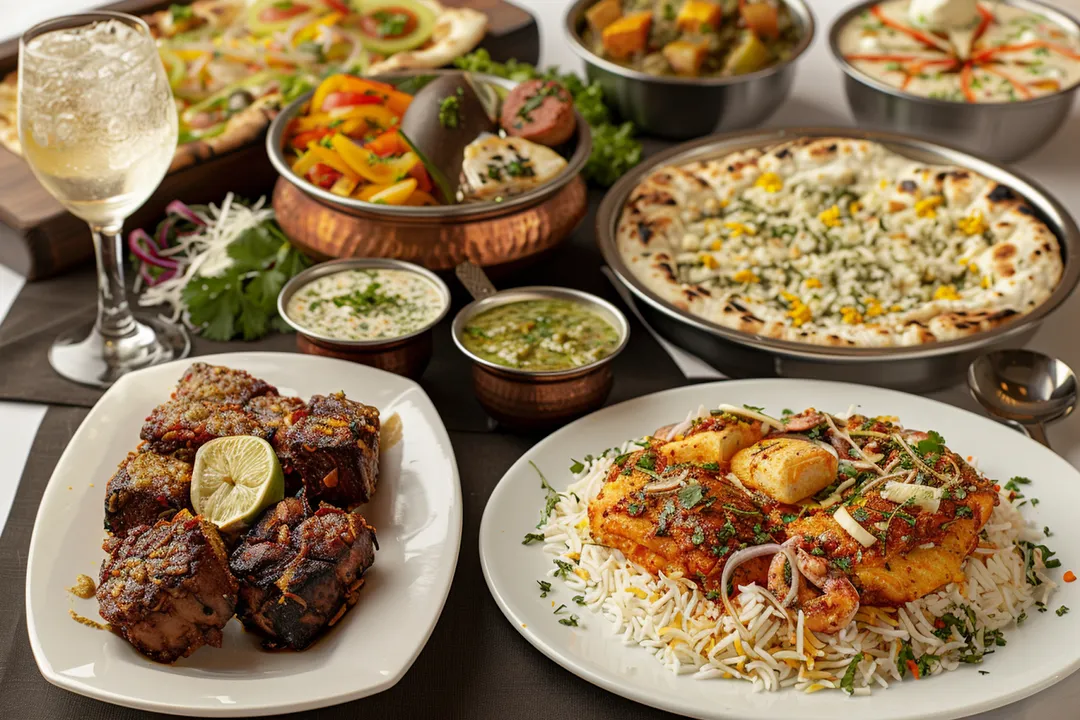
For those responsible for collecting this data—whether you are a camp director or an office manager—the way you ask shapes the quality of the answers you receive. [1] A poorly designed questionnaire can lead to either incomplete data or an overwhelming amount of subjective feedback. [5]
# Actionable Tip: The Tiered System
When creating your own system for capturing needs, implement a tiered response structure instead of a single open text box for all dietary notes. This forces the respondent to categorize their needs, making the data immediately usable.
| Tier | Category Example | Required Action by Host |
|---|---|---|
| Tier 1 | Allergy / Celiac | Substitute ingredient; full cross-contamination avoidance necessary. [1] |
| Tier 2 | Vegan / Kosher | Must select an entirely separate menu option. [5] |
| Tier 3 | Strong Dislike (e.g., Cilantro) | Aim to exclude from main dish if possible, but substitution not mandatory. [10] |
| Tier 4 | Preparation (e.g., Low Sodium) | Inform chef for general seasoning guidance. [7] |
This system respects the seriousness of medical needs while acknowledging the relative flexibility of personal taste. [6] If someone lists something in Tier 3 that is actually a Tier 1 issue for them, it signals a need for a quick follow-up conversation to confirm severity. [6]
# Expert Insight: Communicating with Confidence
One common issue when responding to preference questions is the fear of being difficult. People often downplay legitimate needs to avoid seeming high-maintenance. [2][3] An important aspect of responding well is cultivating the habit of stating needs matter-of-factly, without apology. If you know you must avoid nightshades for health reasons, state that clearly in the restriction section, rather than only mentioning in passing that you "probably shouldn't have tomatoes". [4] Confidence in your own requirements aids the organizer in planning effectively, ultimately leading to a better outcome for you and a clearer set of instructions for the kitchen staff. [2] The key is providing specific, actionable constraints, not emotional justifications for your eating habits. [6] When hosts understand what they must avoid, they can focus their efforts more efficiently than when faced with vague statements about general wellness goals. [1]
In essence, articulating food preferences is an act of clear communication that balances personal needs with the realities of logistics. Whether you are documenting your needs for a multi-day remote adventure or simply responding to a colleague asking about lunch, specificity regarding allergies, restrictions, and genuine dislikes ensures that food becomes a source of enjoyment, not a source of anxiety. [8][10]
Related Questions
#Citations
Food Preference Questionnaire: Likes and Dislikes
YSK: If someone asks you about your food preferences ...
How should one respond when asked for a preference, ...
Food Preferences | David Bieber
How To Create A Food Preference Questionnaire
What is the etiquette for asking whether someone has a ...
EXAMPLE Food Preferences List
Food Preferences - RaftingGrandCanyon
Millennial Food Preferences
food preferences list