What foods have the most antinutrients?
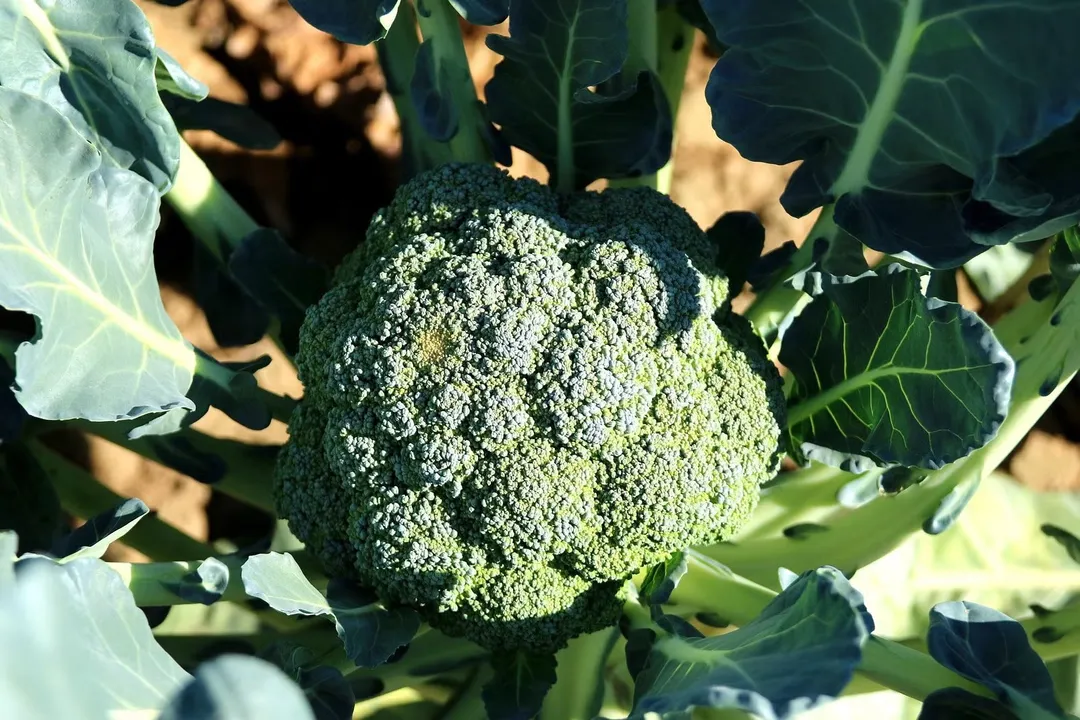
The concept of antinutrients often circulates in nutrition discussions, sometimes causing confusion about which everyday foods carry the highest concentrations of these compounds. Simply put, antinutrients are natural or synthetic compounds found in foods—primarily plants—that interfere with the absorption of beneficial nutrients like minerals and vitamins. [3][8] They are a defense mechanism plants use to protect themselves from predators and pathogens. [8] While these substances can reduce the bioavailability of certain minerals, it is important to recognize that most healthy individuals consuming a varied diet are unlikely to face significant deficiencies purely due to antinutrients. [5]
# Compound Classes
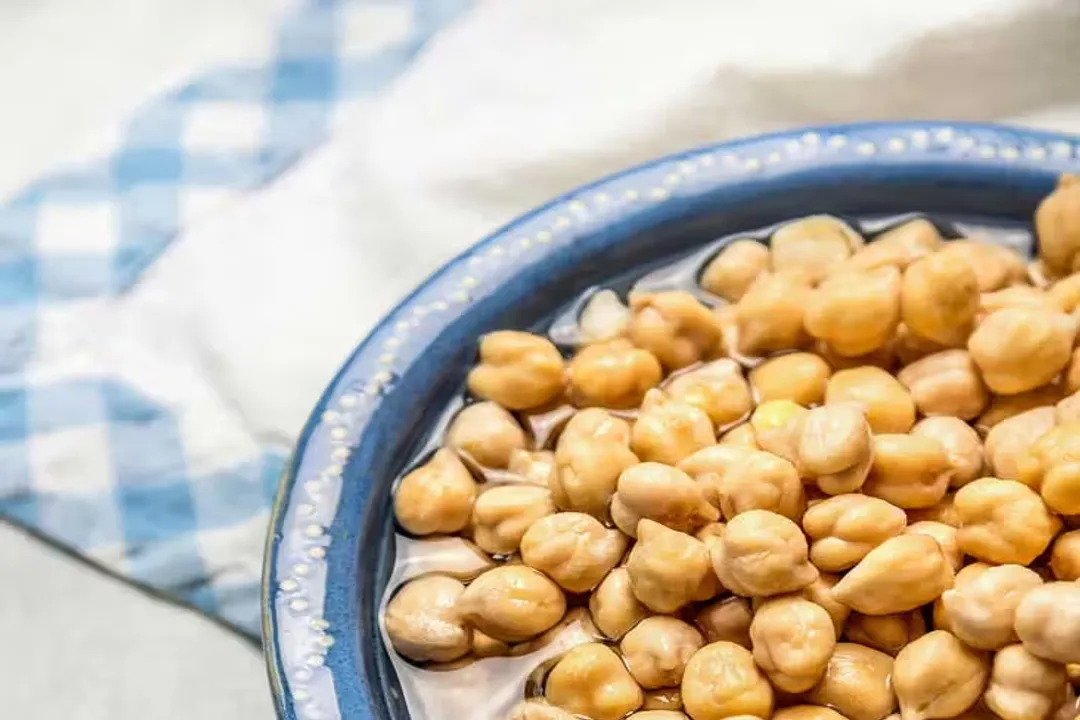
Understanding the landscape requires naming the main players. Several categories of antinutrients are frequently discussed, each with a different chemical structure and target nutrient. [8]
Phytates (Phytic Acid): Often cited as the most significant mineral absorption blocker, phytic acid is the storage form of phosphorus in many plant foods. [7][8] It has a strong affinity for minerals like iron, zinc, calcium, and magnesium, forming insoluble complexes that prevent the body from absorbing them. [1][7][8]
Lectins: These are a diverse group of proteins found in many foods, most notably legumes and grains. [9] Some lectins can bind to the lining of the digestive tract, potentially disrupting the gut barrier or interfering with nutrient absorption. [1][8] Wheat germ agglutinin is one specific lectin often mentioned in this context. [9]
Oxalates (Oxalic Acid): Primarily found in leafy greens and some vegetables, oxalates can bind to minerals, most notably calcium, making it unavailable for the body to use. [1][8] For most people, this is not a concern, but for those prone to kidney stones, high oxalate intake can be relevant. [5]
Tannins: These polyphenols are present in foods like tea, coffee, and wine, but also in legumes and whole grains. [8] Tannins can decrease the absorption of iron. [1][8]
Gluten: While often discussed separately, gluten, a protein found in wheat, barley, and rye, is considered an antinutrient by some because it can cause digestive distress or inflammation in susceptible individuals, potentially affecting overall nutrient uptake. [9]
# Foods Highest Loads
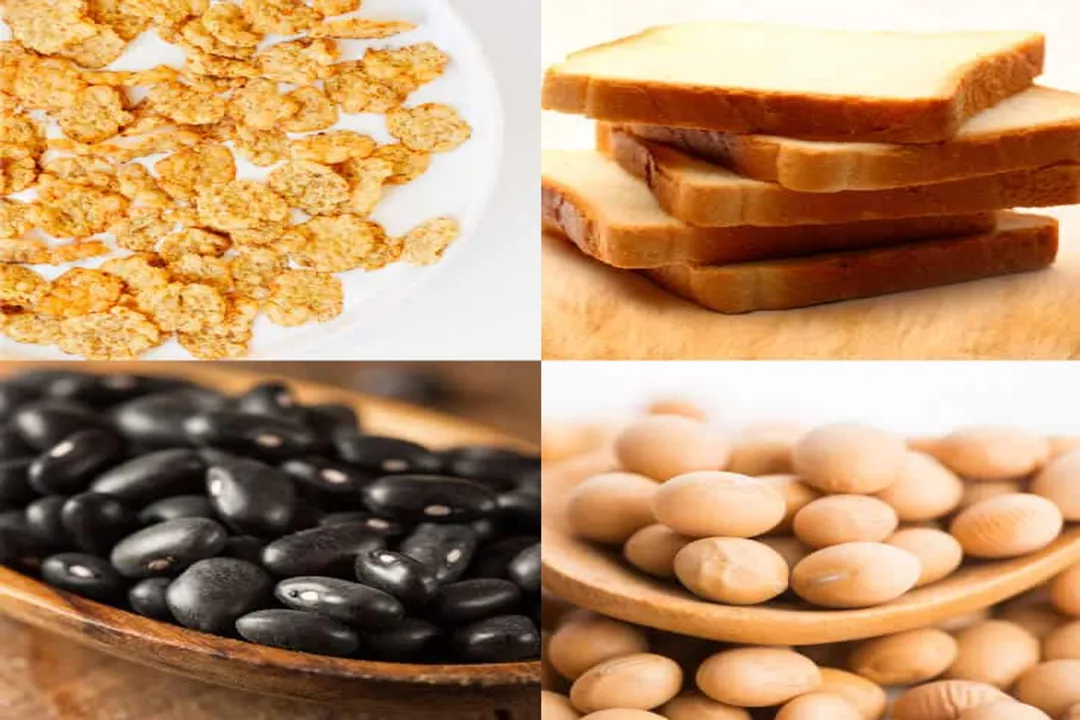
The concentration of antinutrients is not uniform; it clusters heavily within specific food categories, reflecting their biological function as seed protectors. [1]
# Grains and Legumes
The staples of many diets—grains and legumes—are where the highest concentrations of phytic acid are typically found. [1][7]
- Phytate Concentration: Whole grains, such as wheat bran, possess significantly higher levels of phytic acid compared to refined white flour, where much of the bran (and thus the phytate) has been removed. [7] Legumes, including beans, lentils, and soy products, are also major sources of phytic acid. [1][7] For example, common beans can contain between 0.5 to 2.6 percent phytic acid by dry weight. [2]
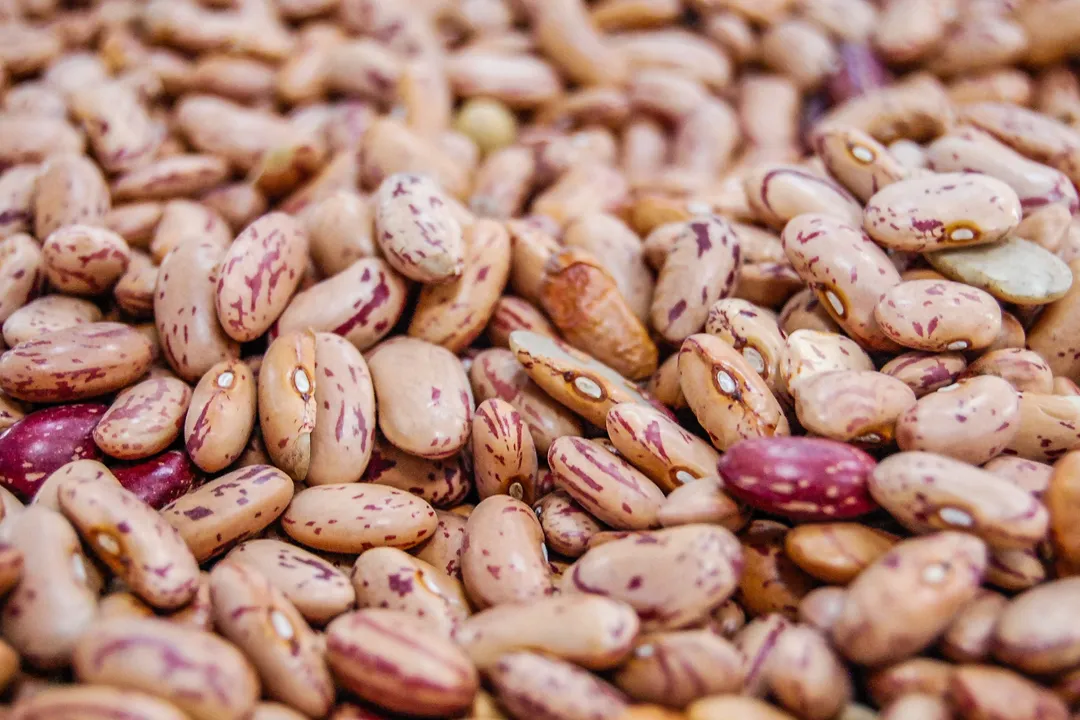
- Lectins: Beans and grains, especially kidney beans, are the primary source of lectins. [3][9] Proper cooking is essential to neutralize lectins in dried beans. [3]
# Nuts and Seeds
Nuts and seeds are nutritious but also store phosphorus in the form of phytic acid to support future germination. [7] This means that unsoaked or unprocessed nuts and seeds can contribute substantially to dietary phytate intake. [1] For example, sesame seeds and almonds are known sources of phytic acid. [7]
# Vegetables
Certain vegetables are known for their high oxalate content, which can be quite significant when consumed in large quantities, especially raw. [1]
- Oxalate Examples: Spinach tops the list of high-oxalate foods. Other notable sources include rhubarb, beet greens, and sometimes sweet potatoes. [1][8] While foods like broccoli and kale contain oxalates, their levels are generally much lower compared to spinach. [1]
Here is a simplified comparison focusing on the compounds that most restrict common minerals:
| Antinutrient | Primary Food Group | Mineral Impacted | High-Level Examples |
|---|---|---|---|
| Phytic Acid | Whole Grains, Legumes, Seeds | Iron, Zinc, Calcium, Magnesium | Wheat bran, dry beans, sesame seeds [1][7] |
| Oxalates | Leafy Greens, Root Vegetables | Calcium | Spinach, rhubarb [1][8] |
| Lectins | Legumes, Grains | General absorption | Kidney beans, wheat [3][9] |
# Context Matters
The presence of antinutrients is not an immediate health disaster; it's an evolutionary reality of plant-based nutrition. [8] For an individual consuming a generally balanced diet that includes animal products, which are largely free of these plant compounds, the effect of antinutrients is often minimal because the overall mineral load consumed is high enough to compensate. [5]
However, context shifts the concern for specific populations. People relying heavily on unrefined plant foods as their primary nutrient source, or those already struggling with borderline mineral deficiencies (like iron or zinc deficiency), might see a more pronounced effect from high antinutrient intake. [5][7] Furthermore, individuals with pre-existing digestive issues, such as those with Irritable Bowel Syndrome (IBS) or Inflammatory Bowel Disease (IBD), might experience increased gut irritation from compounds like lectins or gluten. [9][5] In these scenarios, reducing antinutrient load through preparation becomes a more actionable step rather than an abstract nutritional concern.
# Reduction Strategies
The good news is that processing and preparation methods developed over centuries effectively mitigate the impact of most antinutrients. [4] Understanding these techniques allows consumers to enjoy nutrient-dense foods without undue concern over mineral binding.
# Processing Legumes and Grains
The methods effective against phytic acid and lectins often overlap, targeting the seed’s structure to make nutrients more accessible. [2]
- Soaking: Soaking dried beans, grains, and nuts in water, often for several hours or overnight, is a foundational step. Soaking activates the natural enzyme phytase (present in the food) which begins breaking down phytic acid. [4] Discarding the soaking water removes a significant portion of the leached compounds. [4]
- Sprouting (Germination): Allowing seeds, grains, or legumes to sprout significantly increases the phytase activity, leading to a marked reduction in phytate content. [2][4] This is why sprouted grain breads often have a slightly different nutrient profile than their whole grain counterparts.
- Fermentation: Traditional fermentation techniques, such as those used for sourdough bread making, create an acidic environment that promotes the breakdown of phytic acid by phytase. [2][4] This enzymatic action is much more effective in sourdough than in rapid yeast breads. [4]
# Handling Oxalates and Lectins
Reducing oxalates primarily relies on water and heat.
- Boiling: Since oxalates are water-soluble, boiling high-oxalate vegetables like spinach and then discarding the cooking water can reduce their oxalate content by 30% to 87%, depending on the vegetable and cooking time. [1][4] Steaming or blanching is less effective than full boiling for leaching oxalates. [4]
- Cooking Beans: Lectins are heat-sensitive. Thorough cooking, such as boiling dried beans for an extended period, effectively destroys lectins, making the beans safe and digestible. [3] Never attempt to cook dried beans using only a slow cooker or by simply simmering under-soaked beans, as insufficient heat may leave dangerous levels of the toxin intact. [3]
It is worth noting that soaking nuts, while reducing phytates, does not significantly reduce their fat or protein content, which are the major nutritional draws of those foods. [1] Furthermore, methods like pressure cooking are excellent for legumes as they combine high heat and moisture to reduce both lectins and phytates efficiently. [2]

# Adjusting Daily Habits
If you are conscious of mineral intake and frequently eat plant-heavy meals, small adjustments to your routine can make a difference without requiring major overhauls. For instance, rather than eating a raw handful of almonds as a mid-morning snack, a quick 30-minute soak of the portion you plan to eat, followed by a quick rinse, will start the phytase action against phytic acid. [4] Another practical adjustment involves pairing mineral-rich foods with sources of enhancers. For example, consuming foods rich in Vitamin C alongside iron-containing plant foods can significantly boost non-heme iron absorption, effectively overriding some of the negative impact caused by accompanying phytates. [7] This synergistic approach acknowledges the presence of antinutrients while actively promoting the absorption of the desired nutrients.
Related Questions
#Citations
Are Anti-Nutrients Harmful? - The Nutrition Source
Is There Such a Thing as “Anti-Nutrients”? A Narrative Review of ...
10 Antinutrients to Get Out of Your Diet Immediately - Dr. Axe
How to Reduce Antinutrients in Foods - Healthline
Should You Worry About Anti-Nutrients in Foods?
Trending – Anti-nutrients - Center for Research on Ingredient Safety
Foods High in Phytic Acid - WebMD
5 Antinutrients You Should Know About - AFPA
Lectins, Phytates, and Oxalates: What Are Antinutrients?