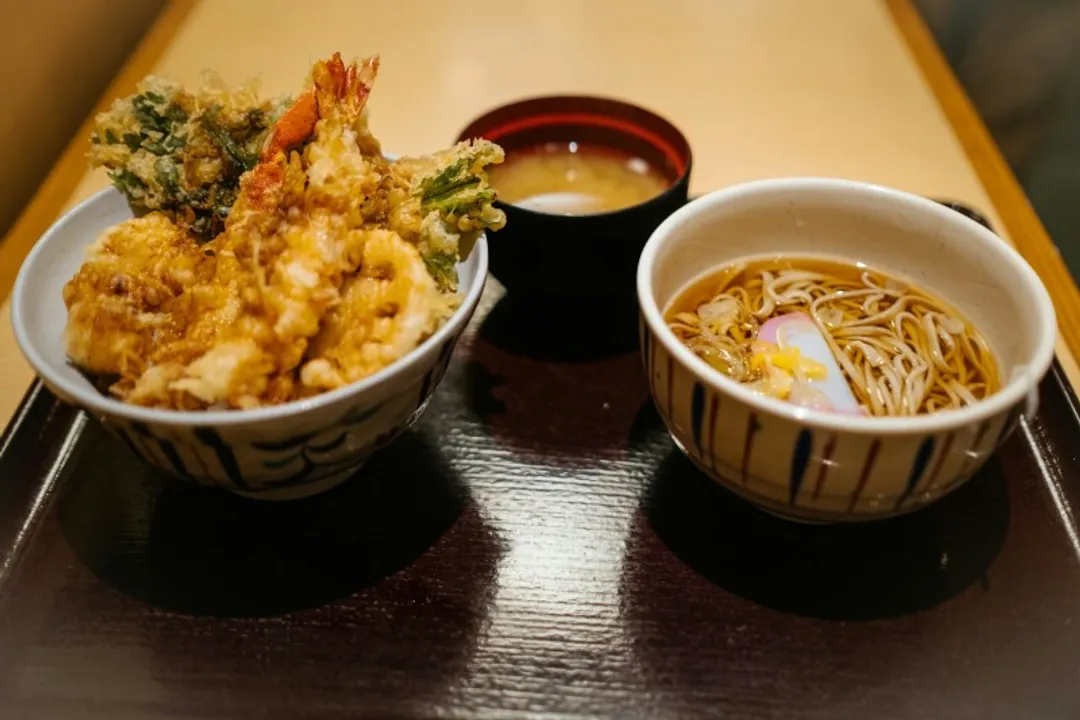
What is the structural role of plain steamed rice, or gohan, in a traditional Japanese meal?
It acts as a necessary palate cleanser and the structural anchor for the entire dining experience.
In authentic Japanese cuisine, plain steamed rice, known as gohan, holds a position of supreme importance, being the undisputed foundation of the meal. It is considered the centerpiece around which all other elements, such as the soup, pickles, and main courses, are strategically arranged. Its mild flavor is intentionally designed to function as a structural anchor, providing a baseline standard against which the flavors of the accompanying dishes are measured. Furthermore, due to its neutrality, it serves the critical role of a palate cleanser, resetting the diner’s taste perception between experiencing different flavors and textures offered by the side dishes. A failure in the quality or preparation of the gohan undermines the harmony of the entire meal, regardless of the quality of the accompanying fish or vegetables.