What is a local cuisine?

The term local cuisine describes the traditional foods and cooking styles specific to a particular geographic area, often rooted deeply in the history, environment, and culture of that place. [3][4] It represents the foodways that have developed over time using ingredients readily available within a close radius. [9][10] Unlike national cuisine, which attempts to create a singular, overarching culinary identity for an entire country, local cuisine is more granular, reflecting the specific traditions of a town, valley, or small community. [4] It is the everyday food of the people who live there, born from necessity, climate, and the availability of agricultural products. [9]
# Defining Terms

To pin down exactly what local cuisine means requires looking at definitions across different contexts, from simple dictionary entries to academic and industry perspectives. The Collins Dictionary defines local cuisine simply as the food that is typical of a particular area. [8] However, the reality of cuisine is more complex than a simple definition allows, especially when considered within the hospitality sector. For instance, in the context of a tourist city, local cuisine might be defined by what is offered in restaurants that cater to that specific clientele, which may or may not perfectly align with the oldest traditions of the area. [1]
The concept often overlaps significantly with regional cuisine, which is a broader classification. [4] Regional cuisine generally refers to the culinary style of a larger area, such as a province or state, unified by geography or shared cultural history. [4] Local cuisine, conversely, can be seen as the finest-grained expression within that region—the specific dishes that might change noticeably just a few miles down the road, perhaps due to a change in soil quality or the historical influence of a specific neighboring town. [4] Think of it this way: if regional cuisine is the style of cooking found across Tuscany, local cuisine might be the specific preparation of pici pasta only made in a small cluster of villages south of Siena. [4] This distinction is important because while a regional menu offers consistency across a larger area, true local food often carries markers of immediate, hyper-local production. [10]
# Ingredients Focus
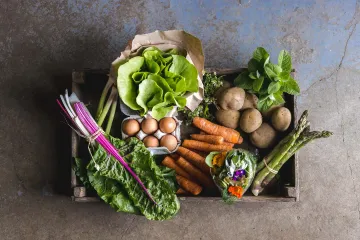
The foundation of any local cuisine is its pantry, which is dictated almost entirely by its environment. [9] This reliance on what is immediately at hand has historically been the primary driver of culinary development. [10] If an area has abundant access to specific herbs, types of fish, or hardy grains suited to the local climate, those elements become non-negotiable staples in the daily diet and, consequently, the culinary tradition. [9]
This ingredient focus connects modern concepts of sustainability directly to historical practice. When people speak of local food, they often mean ingredients produced within a specific, short radius, aligning with modern ethical or environmental concerns. [9] Historically, this was simply the way food was obtained, as transportation was slow, expensive, or non-existent. [10] This proximity means local cuisine is inherently tied to seasonality. [10] A dish labeled as local during the summer might feature ripe tomatoes and basil, but the winter version of the same meal—or perhaps an entirely different staple meal—would utilize preserved meats, root vegetables stored in cellars, or dried legumes. [4]
When assessing a dish, a good starting point for determining its authenticity as local is to examine the primary ingredients. Are they staple crops or animal products that one would reasonably expect to be grown or raised in that immediate vicinity? If a restaurant is serving a tropical fruit in a northern climate during the winter, the cuisine being presented is drawing heavily on external supply chains, moving it away from a purely "local" definition, regardless of how the preparation itself is performed. [9]
# Cultural Identity
Local cuisine is far more than a collection of recipes; it is a direct expression of community identity and shared memory. [5] Food prepared in this manner often carries deep cultural significance, linking the present generation back to their ancestors through taste and ritual. [5] It is often the food served during important family gatherings, religious holidays, or community celebrations. [10]
Consider the concept of "comfort food." For someone from a specific community, the taste of their grandmother's traditional preparation of a staple dish is the taste of home, regardless of where they might travel. [5] This emotional weight makes local cuisine a powerful element of travel planning for many enthusiasts who seek authentic cultural immersion. [5] Dining becomes an active form of learning about the place they are visiting. [7]
The strength of local cuisine often lies in its adherence to traditional methods as much as its ingredients. While ingredients can be swapped out or sourced from farther away due to modern logistics, the traditional cooking techniques—how long something is slow-cooked, how bread is kneaded, or the specific spice blend ratios—are often fiercely protected as part of the cultural heritage. [10]
# Micro-Examples and Nuances
The difference between what one person calls "local" and what another calls "regional" can cause friendly debate, as seen in discussions among food lovers. [2] For instance, one person might define their local cuisine based on a specific ethnic group that settled their area decades ago, resulting in a culinary style distinct from the broader area's established regional cooking. [2] Another might define it strictly by what is currently served in non-chain establishments nearby. [2] These variances highlight that local is often defined subjectively, yet academically, it remains tied to agricultural and historical geography. [4]
An interesting observation arises when comparing older, tradition-bound areas with newer, rapidly developing ones, such as in some Eastern European tourist cities. [1] In older areas, the cuisine might be incredibly homogenous and resistant to change. In newer cities, the "local cuisine" presented to tourists might actually be a curated amalgamation—a selection of the region's best known dishes, perhaps slightly modernized for broader appeal, rather than the most obscure, hyper-traditional preparations. [1]
To help gauge the authenticity of what you are presented with when you seek out "local," ask yourself two questions: First, does this dish rely on a preserved product (like pickled vegetables or cured meats) indicative of surviving a non-growing season? Second, if I removed three main ingredients, would the dish still be recognizable, or would it collapse into something generic? Truly local dishes usually have a strong backbone of ingredients that cannot be easily substituted without altering the core identity. [10]
# Local Versus Global
The global food system presents a challenge to the concept of local cuisine. Modern distribution networks mean that ingredients from anywhere in the world are instantly accessible, leading to culinary hybridization everywhere. [9] This has created a tension: Do we cling strictly to the ingredients available a century ago, or do we embrace new tools and ingredients that enhance traditional methods?
Local cuisine thrives where the community values that link to its past. [5] When restaurateurs actively choose to source ingredients locally—perhaps even from their own small farms—they are actively participating in the perpetuation of that local food system. [9] Conversely, when the global supply chain is preferred due to cost or guaranteed availability, the unique culinary fingerprint of the area begins to fade. [9]
This dynamic isn't just about restaurants; it affects home cooking too. Many home cooks now default to convenience, buying mass-produced staples rather than preparing staples like bread, cheese, or certain sauces from scratch, which were once the defining markers of a household’s local skill set. [10]
# Engaging with Local Food
For the traveler or the curious home cook, understanding local cuisine opens up avenues for deeper appreciation. [7] It moves eating from mere sustenance to cultural participation. [5]
Here are a few ways one can better connect with and experience local cuisine:
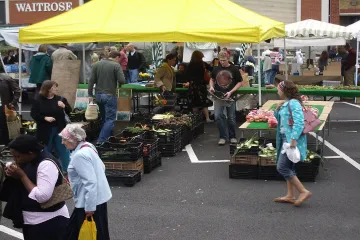
- Visit Markets First: Before sitting down at a famous restaurant, spend time at the local open-air markets or greengrocers. [9] Seeing what is plentiful and in season right now tells you far more about the true local pantry than a glossy menu might. [10]
- Seek Out Staple Preparations: Ask locals not what the "best" dish is, but what they eat on a typical Tuesday night, or what they make when they are too tired to cook elaborate meals. [2] This often reveals the humble, fundamental dishes that form the cuisine's base.
- Understand Preservation: Pay attention to fermentation, pickling, smoking, and drying techniques. [4] These methods often reveal the historical necessity and ingenuity required to survive winters or lean periods, providing insight into the why behind the food culture.
- Look for Small-Scale Producers: Instead of looking for the restaurant with the most awards, look for small family-run establishments or pop-up vendors who explicitly list the farm or producer of their key ingredients. [9] This direct link confirms an investment in the local ecosystem.
In essence, local cuisine is a living artifact. It changes as the climate changes, as new people move in, and as agricultural practices evolve. [4][9] Its definition is a negotiation between what has always been made and what can be made with the resources at hand today. [10] It is the authentic, edible geography of a specific place, tasted one meal at a time. [7]
#Videos
What Is Local Cuisine? - The Geography Atlas - YouTube
Related Questions
#Citations
What is Local Cuisine | IGI Global Scientific Publishing
What is your local cuisine? : r/EnglishLearning - Reddit
What is the definition of 'local cuisine' in reference to restaurants or ...
Regional cuisine - Wikipedia
The Role of Local Cuisine in Travel Planning: A Guide for Food ...
What Is Local Cuisine? - The Geography Atlas - YouTube
Exploring Your New Home Through Local Foods and Cooking
LOCAL CUISINE definition in American English - Collins Dictionary
Local Cuisine → Term - Lifestyle → Sustainability Directory
Local Cuisine