What is authentic Japanese cuisine?
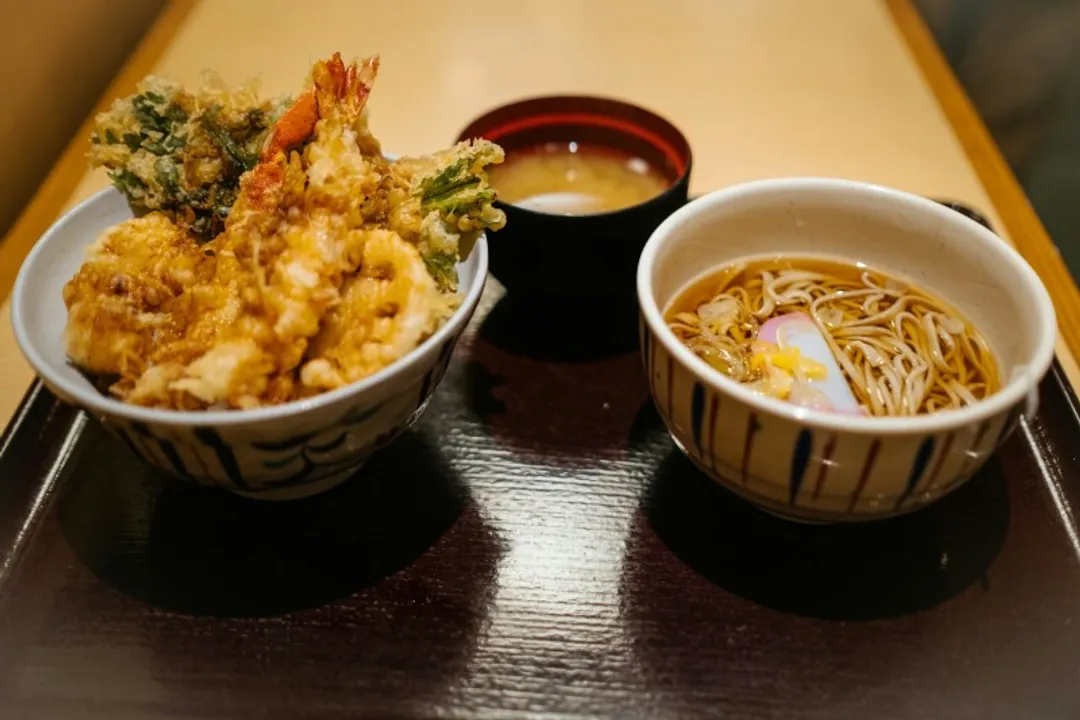
Authentic Japanese cuisine, often referred to as washoku, is defined by a deep reverence for nature, simplicity, and the celebration of ingredients in their absolute prime. [2][6] It is a culinary tradition recognized by UNESCO as an Intangible Cultural Heritage, highlighting its cultural significance that extends far beyond mere sustenance. [2] To truly understand what makes a meal authentically Japanese is to move past the popular global image of sushi and tempura and delve into the underlying philosophy that guides every preparation. [6] It is less about complex layering of flavors, as seen in some other global cuisines, and more about extraction—drawing out the inherent, pure taste of the food item itself. [4]
# Rice Staple

The undisputed foundation of any traditional Japanese meal is gohan, or plain steamed rice. [2] This is not an incidental side dish but the centerpiece around which all other elements—the soup, the pickles, the main course—are arranged. [1] The careful preparation of this rice speaks volumes about the establishment's commitment to authenticity. A chef dedicated to washoku understands that the quality of the grain, the water used, and the precise cooking technique are non-negotiable, as the mild flavor of the rice acts as a necessary palate cleanser and structural anchor for the entire dining experience. [5] In this culinary structure, the perfect bowl of rice functions as the baseline standard; if the gohan is lacking, the entire meal falters, regardless of how well the accompanying fish or vegetables are prepared.
# Flavor Bases
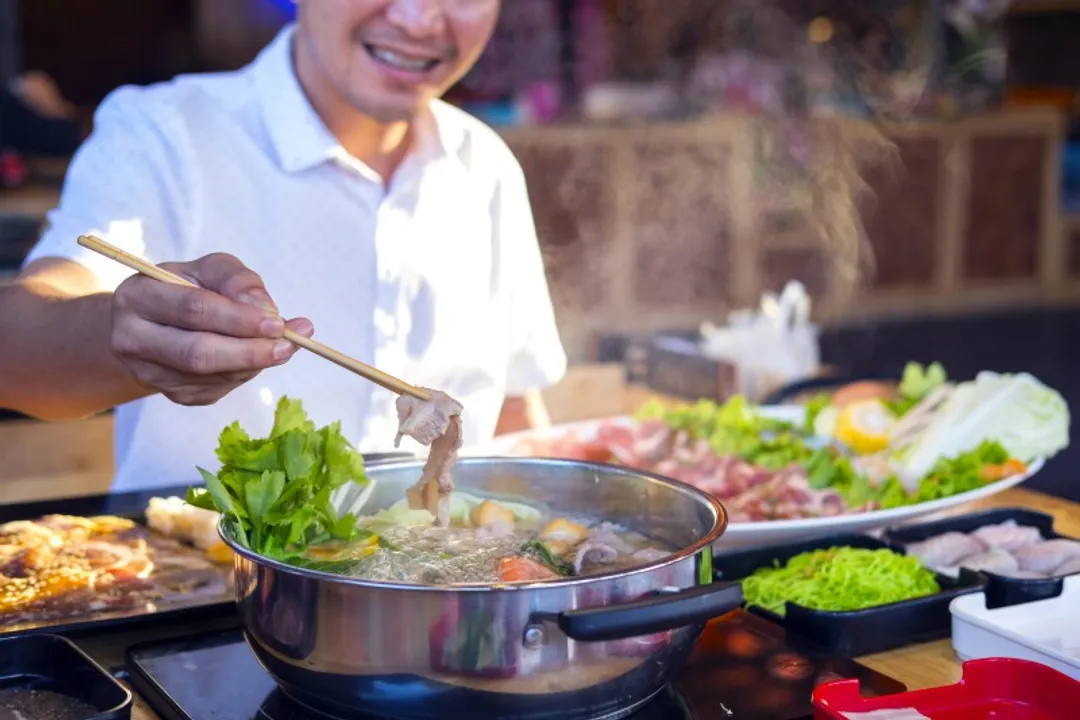
While the flavors are celebrated for their simplicity, the underlying architecture of taste relies on a few critical components that provide the characteristic depth known as umami. [5] These bases are essential building blocks, often used subtly rather than overtly.
The most significant of these is dashi, a fundamental stock that forms the backbone of countless soups, sauces, and simmering liquids. [5] Traditional dashi is deceptively simple, often made by simmering kombu (dried kelp) and katsuobushi (dried, fermented, and smoked skipjack tuna flakes). [5] The extraction of flavor from these ingredients requires precise temperature control to avoid bitterness, resulting in a clear, savory broth that embodies the concept of flavor enhancement without masking the primary ingredient. [4]
Other key flavor agents that define the authentic profile include:
- Soy Sauce (shoyu): Providing saltiness and depth.
- Miso: Fermented soybean paste used in soups and marinades.
- Sake and Mirin: Rice wine and sweet rice wine, respectively, used for seasoning and tenderizing. [5]
When you encounter dishes where these elements are balanced perfectly—where the soy sauce complements without overwhelming, and the dashi lends savoriness without dominating—you are experiencing true Japanese culinary artistry. [4]
# Seasonal Focus
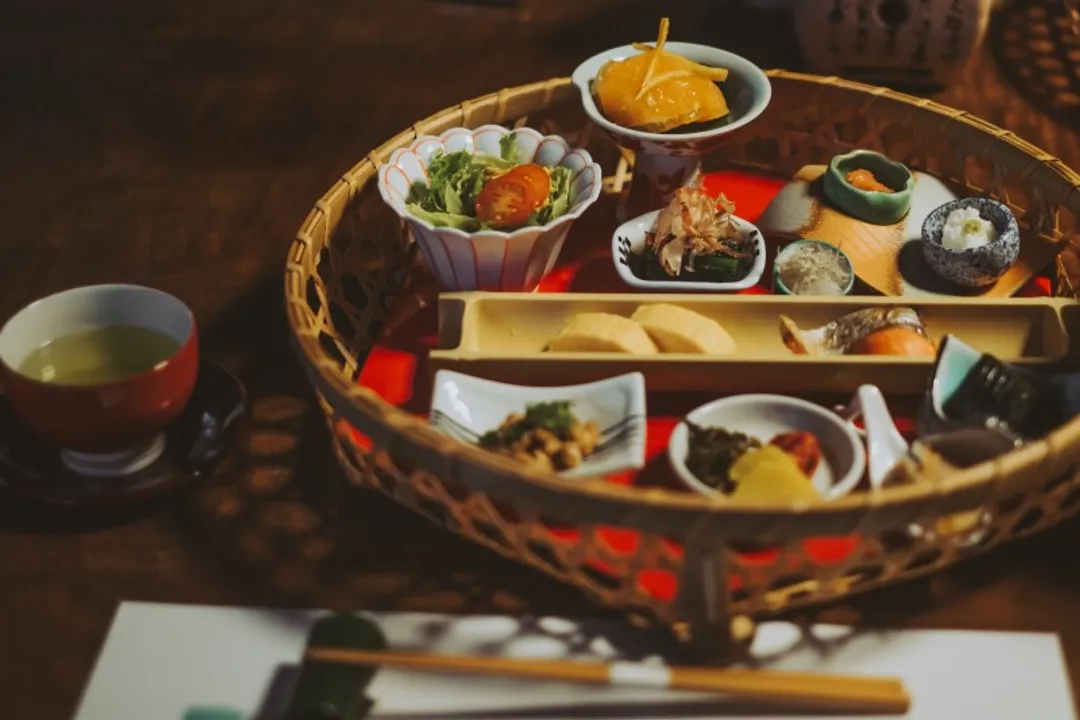
A defining characteristic of authenticity is the strict adherence to seasonality, known in Japanese as shun. [1] This concept dictates that ingredients must be consumed only when they are at their peak natural flavor and nutritional value. [6] This seasonal imperative means that menus in truly authentic settings change frequently, often monthly or even weekly, reflecting the immediate bounty available from the sea and the land. [1]
This intense focus on shun inherently limits the scope of the menu at any given time. Unlike restaurants in other culinary traditions that rely on globalized supply chains to offer asparagus in December or berries in January, a chef committed to authenticity must exercise creative discipline by designing dishes around a very specific, short list of available peak ingredients. [1] This necessity, however, is often what elevates the food; the chef’s skill is then measured not by how many exotic options they can present, but by how brilliantly they can showcase the perfect local carrot or the brief window when a specific fish is at its fattiest. [6]
# Cooking Methods
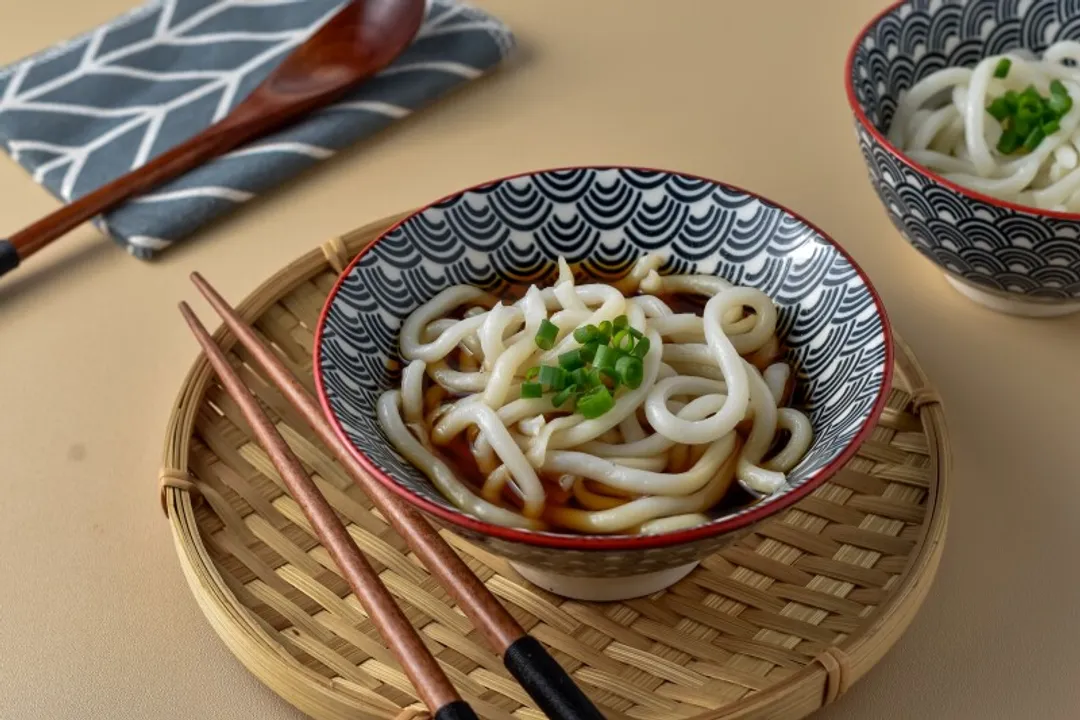
Authentic Japanese cuisine employs various cooking techniques, each chosen specifically to highlight the ingredient’s best attributes, maintaining a focus on simplicity and visual appeal. [4] The methods themselves often reflect the philosophical stance of minimal interference.
| Method | Description | Purpose in Authenticity |
|---|---|---|
| Nama (Raw) | Served uncooked, such as sashimi. [2] | To present the ingredient in its purest, freshest state. |
| Yaku (Grilled) | Cooked over direct heat, often using charcoal. | To impart a smoky character while retaining internal moisture. |
| Niru (Simmered) | Gently cooked in broth, often seasoned with dashi and soy sauce. | To allow ingredients to absorb deep, subtle flavors without becoming mushy. |
| Musu (Steamed) | Gentle cooking using steam. | To preserve moisture and natural texture, especially for delicate items like vegetables or fish. [6] |
| Ageru (Fried) | Usually referring to tempura, characterized by a very light batter. [2] | To create a crisp exterior that contrasts with a tender interior. |
Tempura, for example, is often misunderstood outside Japan. It is not about heavy, oil-soaked coatings; rather, the batter must be light enough that the natural shape and texture of the vegetable or seafood remain clearly visible and distinct beneath the delicate crispness. [2]
# Raw Presentation Sushi
While sushi is perhaps the most globally recognized Japanese dish, its authentic form is highly nuanced and has diverged considerably from many Western interpretations. [8] Traditional sushi preparation demands extreme precision and an intimate knowledge of fish quality and handling. [4]
The essential components are shari (vinegared rice) and neta (the topping, usually seafood). [8] The balance between these two elements is crucial. In many traditional settings, the shari is slightly warmer than the neta, creating a pleasing temperature contrast when eaten together. [8]
There is a distinction between nigiri (hand-pressed sushi) and other forms. For nigiri, the chef forms the rice with a specific pressure—enough to hold its shape but light enough that the grains separate easily on the tongue. [8] This level of detail separates true craftsmanship from simple assembly. Furthermore, a key difference lies in how neta is prepared; traditional sushi often involves curing, marinating, or aging the fish (like kobujime, wrapping fish in kelp) to develop complex umami flavors, moving far beyond just serving slices of raw fish. [8] Modern interpretations often favor larger portions of fish and generous amounts of toppings like heavy sauces or cream cheese, which obscure the delicate flavor of the rice and the fish's quality, thereby deviating from the traditional focus. [8][9]
# Regional Diversity
Authentic Japanese cuisine is not monolithic; it changes dramatically based on geography, local history, and climate. [2] The culinary landscape shifts as one moves from the northern island of Hokkaido to the southern islands.
For instance, the food culture in Hokkaido is heavily influenced by its cold climate and proximity to rich fishing grounds, leading to robust flavors and an abundance of excellent seafood like crab and sea urchin. [2] Conversely, cuisine in areas like Kyoto, historically the imperial capital, often emphasizes delicate vegetarian styles (shojin-ryori) or refined, formal multi-course meals (kaiseki) that favor subtle, elegant presentation over strong, pungent tastes. [2]
Understanding this regional variation is key to appreciating authenticity. A dish considered classic in Osaka may be entirely foreign or prepared differently in Tokyo, demonstrating how authenticity is often rooted in local tradition rather than a single national standard. [2]

# Meal Structure
A traditional Japanese meal presentation, whether a simple home setting or a formal kaiseki experience, adheres to a specific structural logic that prioritizes balance and harmony. The structure usually centers around the ichiju sansai concept—one soup and three sides—served alongside the staple rice. [1][7]
This setup ensures that the diner experiences a variety of tastes, textures, and preparation methods in a single seating:
- Rice (Gohan): The foundation.
- Soup (Shirumono): Typically miso soup or a clear broth (osuimono).
- Three Dishes (Okazu): These should cover different primary ingredients and cooking styles, perhaps one grilled item (yakimono), one simmered item (nimono), and one vinegared or pickled item (sunomono or tsukemono). [1]
This careful balancing act ensures nutritional completeness and prevents palate fatigue, allowing the diner to appreciate the flavor of each individual component successively. [7] Deviating from this balance, such as eating a large bowl of one heavy item alone, moves away from the traditional, structured approach to dining.
# Presentation Aesthetics
In authentic Japanese food culture, the visual aspect of a dish is inseparable from its taste. [4] The presentation is an art form in itself, designed to appeal to the eye before the palate, often mimicking natural scenery or emphasizing simplicity. [4]
Factors dictating aesthetic appeal include:
- Color Balance: Ensuring a good mix of colors on the plate to represent a balanced diet and visual appeal.
- Vessel Choice: The dishware—plates, bowls, and lacquerware—is chosen specifically to complement the food it holds, considering its color, shape, and texture. [4]
- Negative Space: The strategic use of empty space on the plate is considered as important as the food itself, directing focus and suggesting restraint.
This attention to detail shows that authenticity demands respect for the ingredient not just while it cooks, but also in how it is finally presented to the diner. [4] The deliberate placement of a garnish, such as a single leaf or flower, serves not only as decoration but often to subtly hint at the season of the dish. [6]
Related Questions
#Citations
50 Traditional Japanese Foods: Top Traditional Dishes - byFood
Japanese cuisine - Wikipedia
What are some staple dishes in Japan that are relatively unknown in ...
Authentic Japanese Cuisine – A True Taste of Culinary Artistry
Key Ingredients In Authentic Japanese Cuisine
More Than Sushi: What's Authentic Japanese Cuisine?
A Guide to Japanese Food: 13 Essential Dishes to Try in Japan
Traditional Sushi vs. Modern Sushi: What's the difference?
What is the difference between traditional Japanese cuisine ... - Quora
The Ultimate Guide to Japanese Food: A Culinary Journey