What is an authentic German dish?
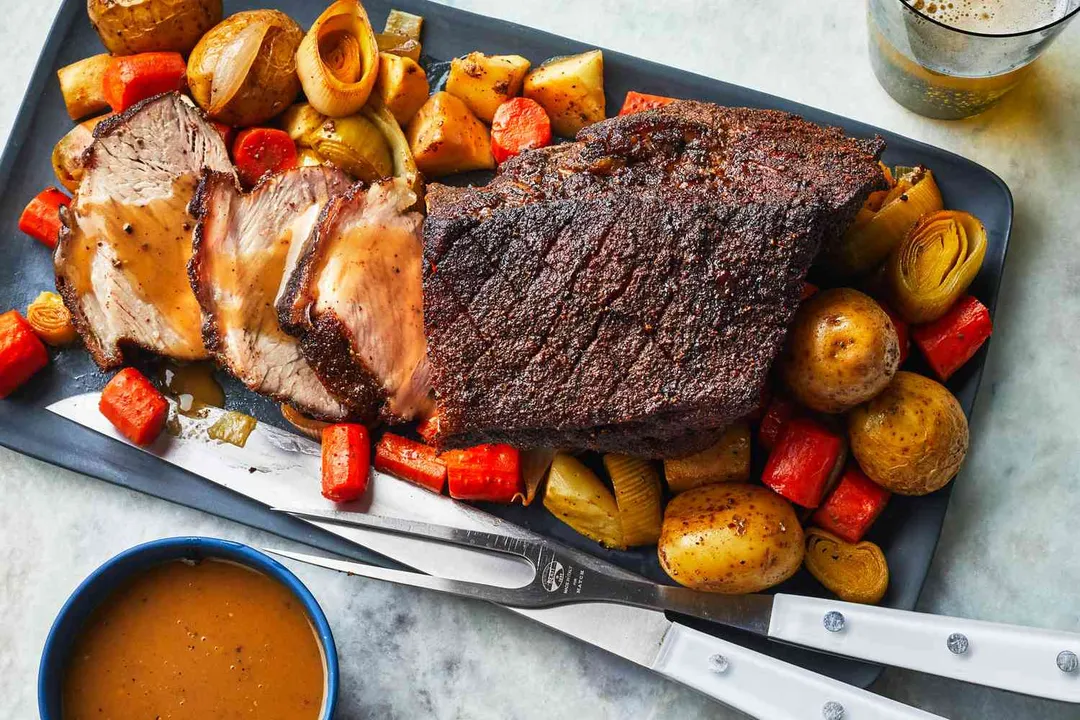
The concept of a singular, authentic German dish is immediately complicated by the country’s deeply entrenched regionalism. [7][9] Germany’s culinary map is a patchwork, where traditions in Bavaria differ significantly from those along the North Sea coast. [7] Rather than a single national plate, authenticity is found in understanding the core components—hearty starches, slow-cooked meats, and dedication to bread—that persist across these varied local kitchens. [10] What one city celebrates as tradition, another might view as a regional curiosity. [9]
# Regional Kitchens
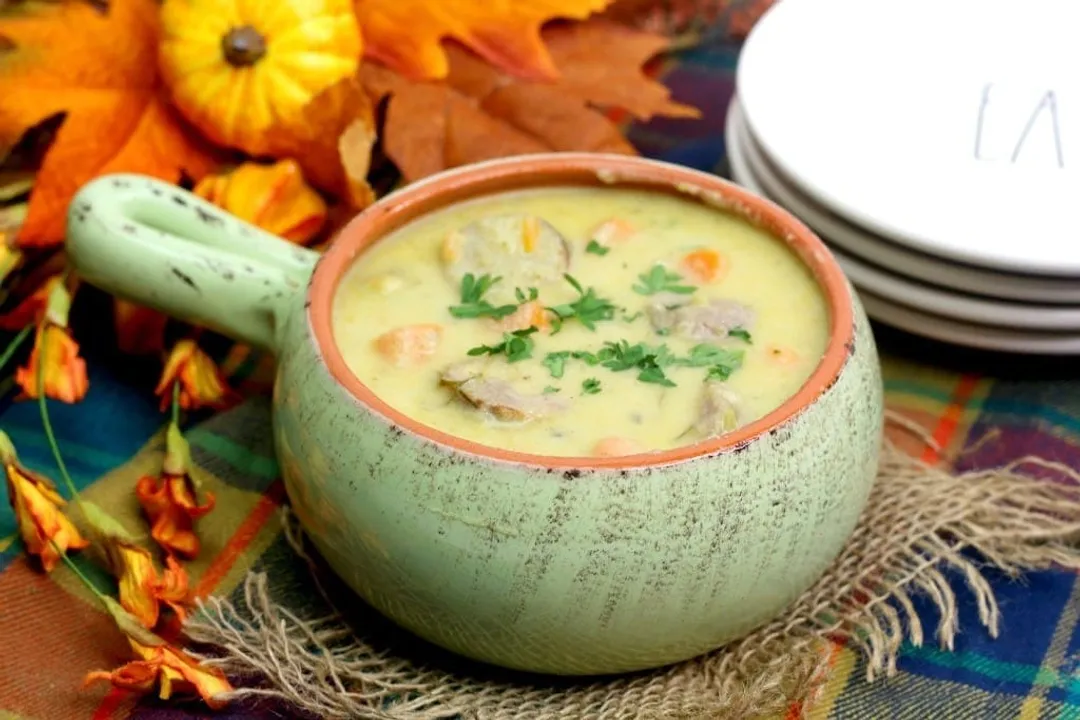
German food identity is inseparable from its geography. The cuisine developed based on what could be grown or raised locally, resulting in distinct north-south divides. [7] Southern Germany, particularly Bavaria and Swabia, showcases a heavier reliance on pork, richer sauces, and the prevalence of egg noodles and dumplings. [5] Contrast this with the northern regions, where proximity to the sea brings an emphasis on fish and lighter preparations, although hearty staples are still consumed. [7] An insightful way to approach German food is not as one monolithic entity, but as a collection of powerful local traditions, each fiercely defended by its inhabitants. [9]
# Meat Centerpieces

Certain meat preparations have achieved international recognition, becoming shorthand for German cuisine abroad, even if their origins are often debated between Germany and Austria. [9] Schnitzel, a thin, breaded, and pan-fried cutlet, is perhaps the most famous export. [9] While the Wiener Schnitzel is officially Austrian, German variations like Jägerschnitzel (served with mushroom gravy) or Zigeunerschnitzel (served with a pepper-onion sauce) are mainstays in German restaurants. [9]
A more profoundly rooted traditional dish is Sauerbraten. [5] This is not a quick meal; it embodies the spirit of long preparation necessary for traditional cooking. [9] Beef (or sometimes horse meat) is marinated for several days, sometimes up to a week, in a brine of vinegar, wine, herbs, and spices. [5] This acidic bath tenderizes the typically tougher cuts of meat, which are then slow-braised until falling apart. [9] The resulting gravy, often subtly sweetened with raisins or gingerbread, speaks to a historical culinary ingenuity that maximizes flavor from humble ingredients. [5]
# Starch Focus
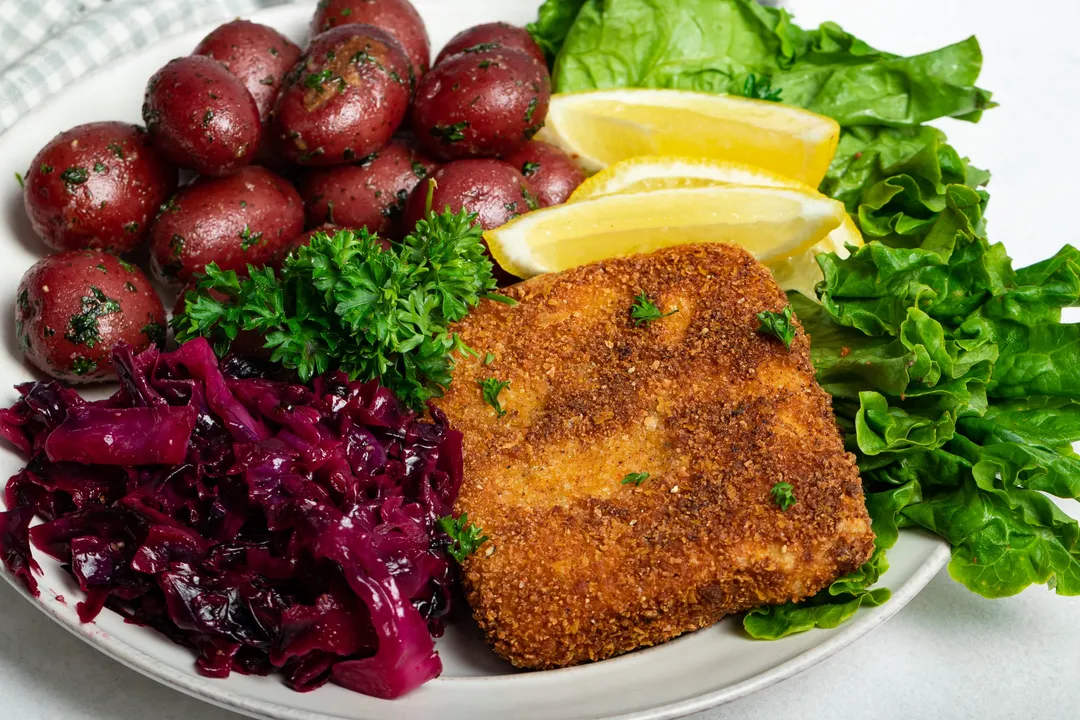
Potatoes and noodles form the ballast of the German plate, providing the necessary caloric base for historic working life. [5][10] The preparation of the potato varies dramatically enough to serve as a marker for regional identity itself. Consider Kartoffelsalat (potato salad): in the south, it often appears dressed with a warm mixture of oil, vinegar, and broth, served warm or at room temperature. [9] Conversely, the northern style frequently incorporates mayonnaise, lending it a creamier texture reminiscent of salads popular in neighboring countries. [9]
Then there is Spätzle, the ubiquitous egg noodle/dumpling that is essential, especially in Swabia. [5] These irregularly shaped strands can be served simply tossed in melted butter, or they can form the basis for a richer dish like Käsespätzle—layers of the noodles interspersed with strong cheese and often topped with crispy fried onions. [9] The sheer variety in how a simple starch is transformed across state lines highlights the difficulty in pinning down a single "authentic" side dish. [5]
# Everyday Staples
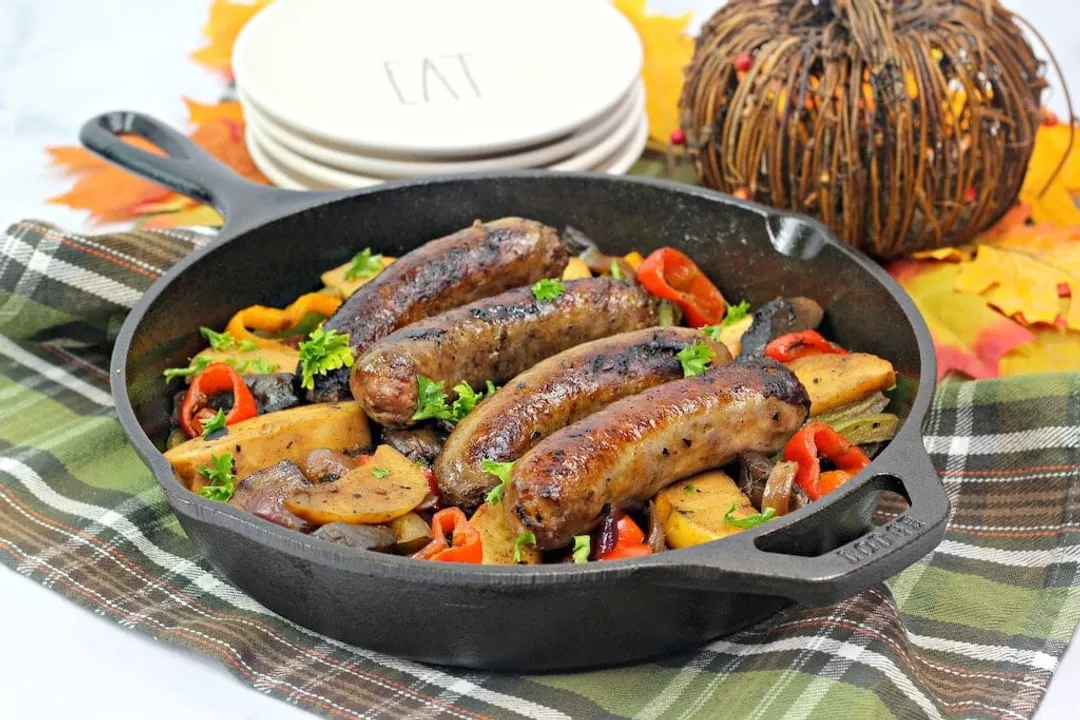
To truly gauge authenticity, one must look past the restaurant showpieces to the everyday fare, the Hausmannskost (home cooking) that sustains families. [10] This category is dominated by Eintopf—the German term for a hearty, thick stew. [10] These one-pot meals, such as lentil stew (Linseneintopf) or bean stew, were historically economical, designed to stretch ingredients and feed many people with minimal effort after the initial preparation. [10] They represent a practical, resourceful aspect of the cuisine often overlooked when focusing on heavier, meat-centric meals. [10]
Another critical, non-negotiable element is the bread culture. Germany is renowned for its variety of high-quality loaves. [1] The dark, dense, rye-heavy breads, often packed with seeds and grains, are far more representative of daily German eating habits than the lighter rolls served to tourists. [1] A truly authentic experience involves pairing these dark breads with simple toppings or using them to scoop up the remnants of a thick stew. [1]
In examining these common preparations, a pattern emerges that speaks volumes about authenticity: many foundational dishes rely on slow processes, whether it is the long marinade of Sauerbraten, the low simmer of an Eintopf, or the fermentation inherent in making Sauerkraut. [5][10] This suggests that culinary authenticity in Germany leans toward patience and transformation, taking inexpensive or tougher ingredients and refining them through time rather than speed. [5] It’s a cuisine built on making the most of what is available, a valuable perspective that often gets lost when focusing only on premium cuts of meat. [10]
# Bread and Pastry
The baker (Bäcker) holds a place of reverence in the German food landscape. [1] The sheer density and variety available at a local bakery cannot be overstated; loaves are often deeply flavored with sourdough starters and contain mixtures of whole grains, rye, and spelt. [1] If one seeks an easily accessible, universally authentic German snack, the Brezel (pretzel) is a strong candidate. [9] While pretzels are found elsewhere, the classic lye-dipped, dark-crusted Bavarian style, often served large and soft with a smear of butter (Butterbrezel) or alongside a sausage, is uniquely central to the German culinary experience. [9]
When navigating the vast options available, travelers often default to the familiar—bratwurst and beer—but the real depth lies in asking locally informed questions. [7] For instance, if you are visiting a small Gasthaus outside a major city, asking specifically for the Tagesgericht (the dish of the day) often reveals what the kitchen is preparing using local, seasonal ingredients, bypassing the standardized fare found on the main menu. [7] This approach rewards the curious diner with food that is perhaps only authentic to that specific village on that specific day.
Ultimately, defining the authentic German dish is an exercise in mapping a national preference rather than identifying a single product. [7][9] It is a cuisine where the process—marinating, slow cooking, and careful baking—often defines the character more than the ingredients themselves. [5][10]
Related Questions
#Citations
dirndl kitchen: Authentic German Recipes
German Food Made Simple | Just Like Oma's Easy German Recipes
18 German Recipes That Are Comfort Food Favorites - Allrecipes
What are some classic yet delicious German dishes? - Reddit
45 Delicious Traditional German Dishes to Make at Home
Authentic German Recipes - Germanfoods.org
Best Food in Germany: 21 Top Traditional Dishes You Need to Try
The Oma Way: Authentic German Recipes
List of German dishes - Wikipedia
All Tastes German: Authentic German Recipes