What is a classic German dish?
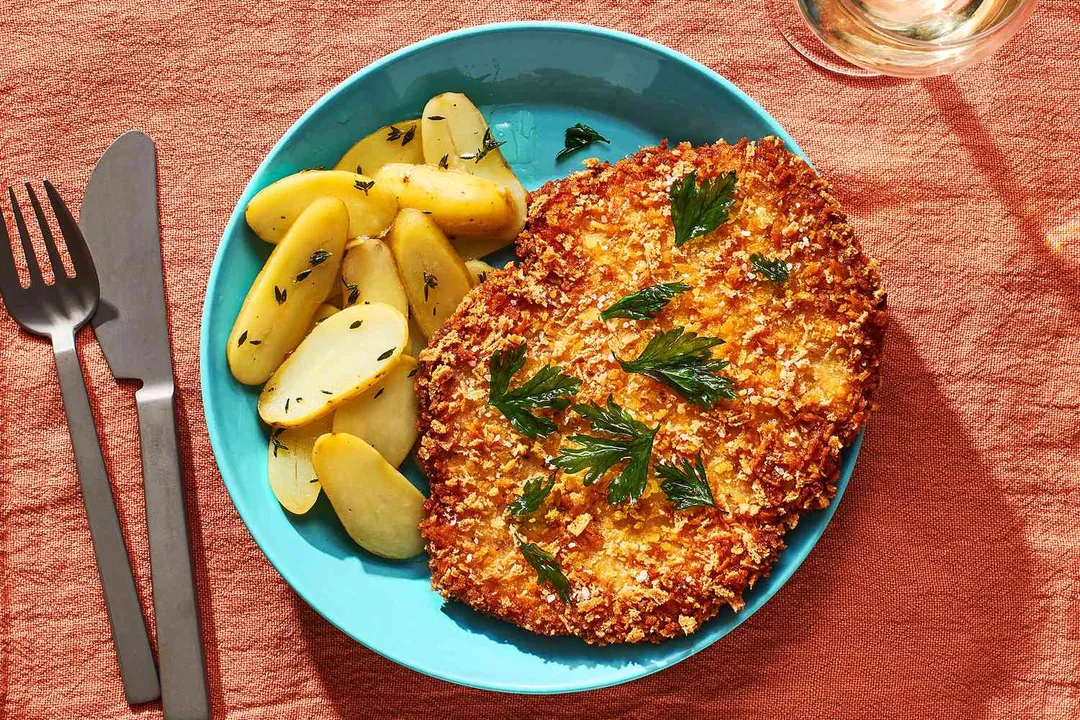
The question of what constitutes a "classic" German dish quickly reveals that German cuisine is less a singular entity and more a collection of deeply rooted, hearty regional traditions. It is a food culture that emphasizes substance—meat, potatoes, and robust flavors—that feels familiar and incredibly comforting, much like American comfort food, yet it maintains distinct characteristics, such as a frequent embrace of sweet-and-sour combinations. To pinpoint the German dish is to begin a culinary tour across the country, from the coastal north to the Alpine south, where specialties reflect local history, proximity to water, or agricultural output.
# Meat Centerpiece
If there is a universal constant across the German plate, it is meat, often slow-cooked or expertly prepared, and almost always accompanied by a savory side.
Sausages are perhaps the most immediate association for many. Germany boasts over 1,000 varieties of sausage, making any single recommendation feel inadequate, yet certain types stand out as iconic. The Bratwurst, composed typically of veal, pork, or beef, is a traditional German standard, distinct from the famous Berlin street food staple, the Currywurst. Currywurst, invented after the war in the early 1950s in Berlin, involves slicing a fried or grilled sausage and dousing it in a seasoned, tangy curry ketchup, usually served alongside French fries. While the sausage itself might be Bockwurst-style or Bratwurst-style depending on the Rhine-Ruhr region or Berlin, the final preparation is distinctly its own.
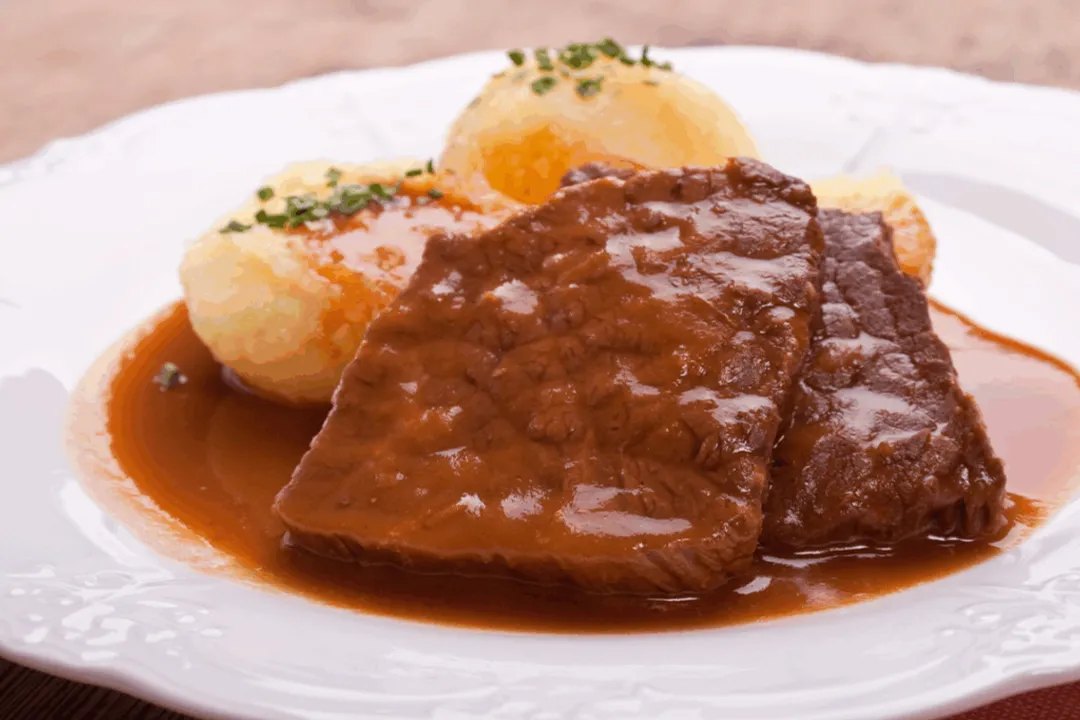
Beyond the quick eats, slow-cooked roasts define festive or family gatherings. The Sauerbraten, often cited as the national dish of Germany, exemplifies this patience. It is a pot roast, traditionally beef but sometimes horse meat historically, marinated for days—sometimes a week—in a mixture of vinegar, water, wine, and spices to achieve its signature tender texture and tanginess. The resulting gravy often requires balancing sweetness, sometimes achieved with gingerbread or raisins, offering that essential sweet-and-sour contrast. A similarly beloved, though less marinated, main is Rinderroulade, thin slices of beef wrapped around bacon, onions, and pickles before being braised in a brown gravy. These elaborate roasts are often served with rich sauces that are perfect for soaking up starchy accompaniments.
Then there is the satisfying heft of the Schweinshaxe, or pork knuckle, particularly celebrated in Bavaria. The contrast in preparation regionally is telling: in the south, it is often roasted to achieve a crispy, crunchy crust while remaining juicy inside. Conversely, in the North, especially associated with Berlin, the Eisbein uses the same cut but is slow-simmered until tender, rather than crispy. This difference—roasting for crust versus simmering for tenderness—highlights a core divergence in German regional cooking techniques.
Another critical, albeit less globally known, savory dish is Königsberger Klopse, which originated in East Prussia. These are cooked meatballs served in a white cream sauce flavored with capers, resulting in a slightly sweet and sour profile. This dish showcases a slightly more delicate, refined flavor profile compared to the heavy roasts, providing a taste of historical Eastern influences.
# Starch Foundations
German meals are fundamentally grounded by potatoes and dumplings, serving as vehicles for the rich gravies and sauces.
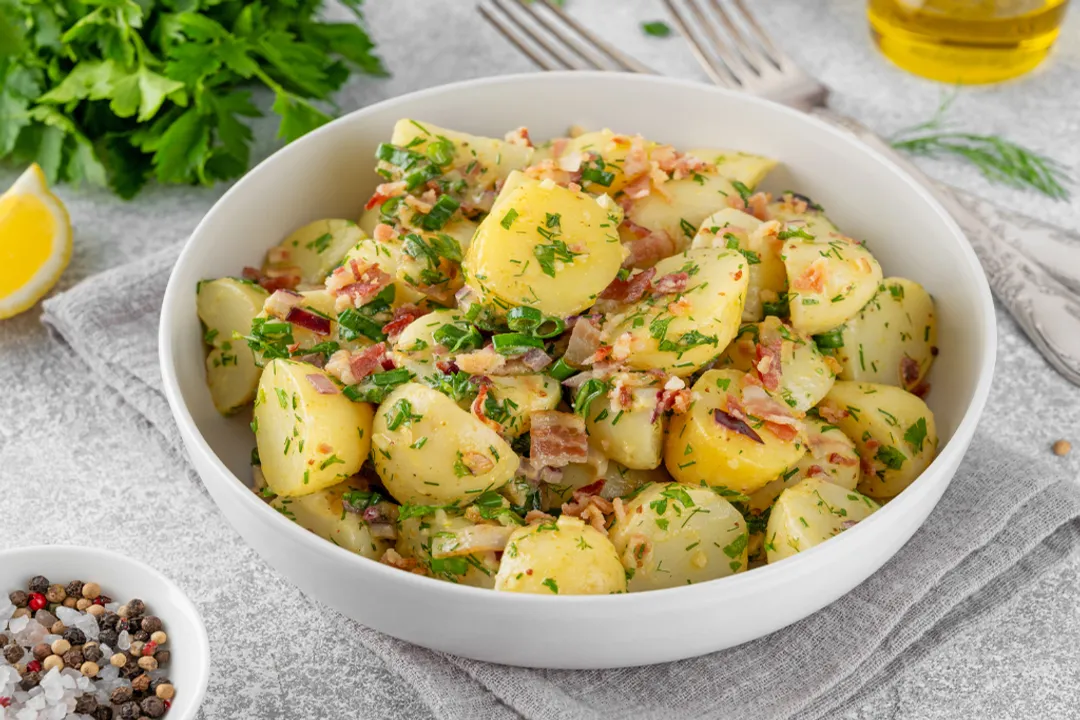
The humble potato takes many forms. Bratkartoffeln are simple fried potato slices, frequently accompanied by diced bacon or onions. In contrast, Pellkartoffel are just boiled or steamed potatoes, often eaten unpeeled, served simply with Quark (a fresh cheese/curd) and linseed oil.
However, the realm of German starch is defined by the Knödel, or Klöße (depending on the region). These dumplings are a fundamental component of any serious roast dinner.
| Knödel Type | Primary Ingredient Base | Notable Feature/Serving Suggestion | Citation |
|---|---|---|---|
| Kartoffelklöße | Potato (raw, cooked, or mixed) | Perfect partner for rich gravies like Sauerbraten | |
| Semmelknödel | Bread crumbs (day-old bread) | Superior accompaniment to roasts with gravy | |
| Pretzel Dumplings | Day-old pretzels | Utilizes stale bread; homage to Bavarian flavors |
The texture of the potato dumpling itself is a subject of regional pride and variation. In Thuringia, the dumpling often uses a 50-50 mix of raw and cooked potatoes, yielding a firmer result, whereas Bavarian Klöße might be softer and creamier. This reliance on texture means that even within a single category like "dumplings," significant culinary expertise is required. An interesting adaptation involves using stale pretzels to create dumplings, an excellent way to repurpose day-old bakery goods.
If one moves away from potatoes, the hand-made egg noodles known as Spätzle become paramount, especially in Southern Germany. Spätzle are wonderfully versatile, often served simply with browned butter, or incorporated into signature dishes like Käsespätzle. This cheesy delight features the soft noodles smothered in melted cheese—often Gruyère or Emmental—and topped liberally with crispy fried onions, making it Germany’s rich, filling answer to macaroni and cheese.
The focus on starch is so intense that it leads to an interesting observation: many German meals are built around an accompaniment that has become a main course in its own right. Käsespätzle isn't a side; it’s a destination dish. Similarly, the preparation of the accompanying vegetables is often complex enough to merit its own recognition. Take Rotkohl (braised red cabbage), frequently prepared with apples, bacon, and wine or vinegar, creating that hallmark sweet-and-sour profile that cuts through rich meats. This attention to balancing the heavy main course with acidic or sweet sides is a mark of true German culinary balance.
# Regional Identities
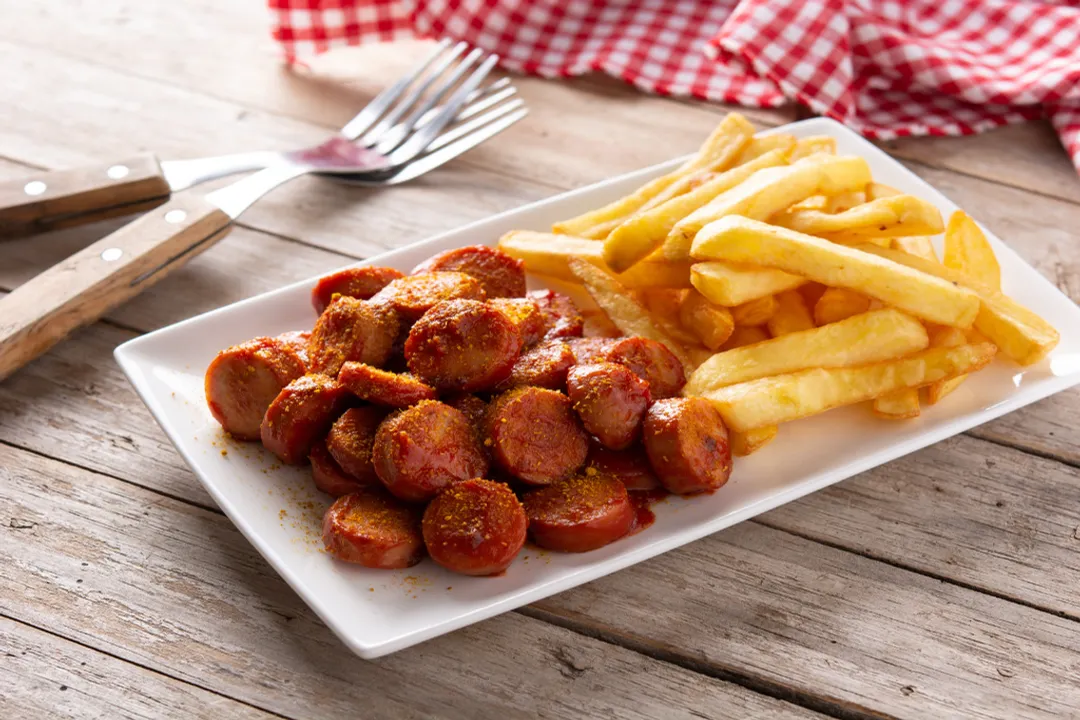
The true character of German cooking lies in its sharp regional divisions, which often leave visitors surprised by the variety outside the stereotypes of bratwurst and beer halls.
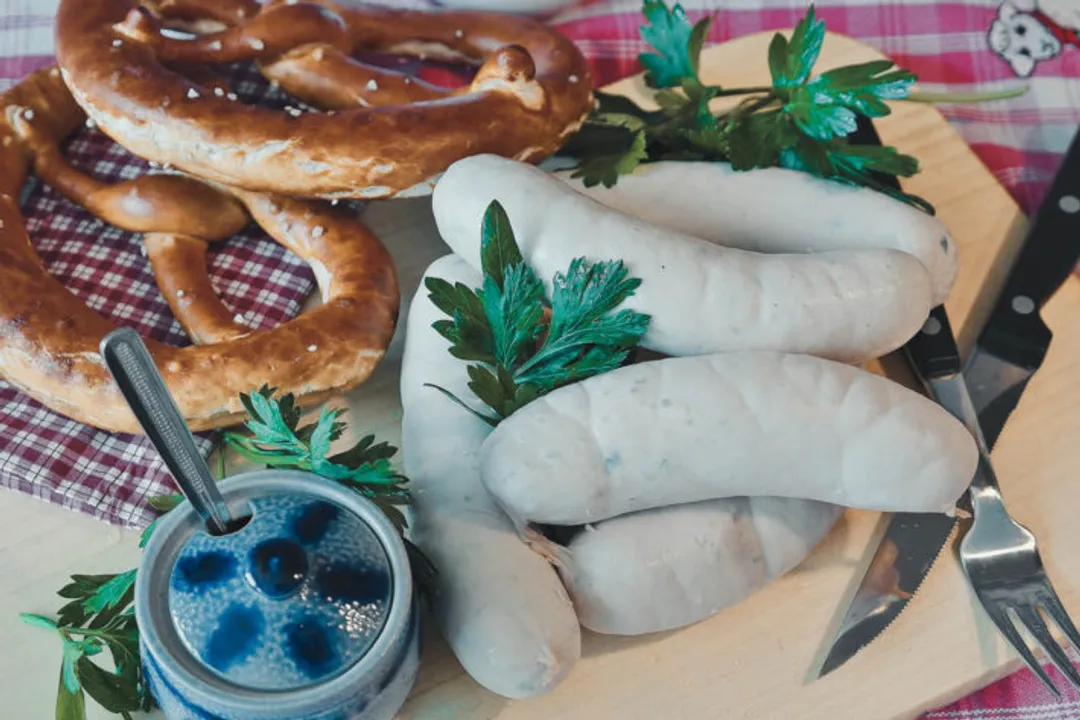
In the South, particularly Bavaria, the experience often centers around the Weißwurst Frühstück. These white sausages, traditionally made from veal and pork, are served with sweet mustard and Laugenbrezeln (pretzels). The tradition dictates they are eaten before noon, though this historical rule, stemming from the lack of refrigeration, is less strictly observed today.
Heading north, the cuisine incorporates more seafood and kale. The Fischbrötchen, a sandwich filled with pickled or fried fish like herring (Matjes) or shrimp, is a coastal delicacy, best enjoyed near the water, perhaps on one of the North Sea islands. Further north and east, you find heartier winter fare like Grünkohl mit Mettwurst (stewed kale served with boiled aromatic sausage) or the specific pairing of Pinkel mit Grünkohl, where Pinkel is a salty sausage, traditionally served after winter walks. This Northern love for kale and smoked meats contrasts sharply with the vinegar-marinated roasts prevalent in the West and South.
The Rhineland offers Rheinischer Sauerbraten, while the Palatinate claims Saumagen, a hearty, savory filling of pork and potatoes encased in a pig’s stomach casing. These dishes embody a resourceful, almost rustic approach to cooking, using what the local environment provides.
It is fascinating to note how frequently dishes migrate and morph. Labskaus, a distinctive dish of corned beef, herring, mashed potatoes, and beetroot, shows up on lists for both Bremen/Lower Saxony and Hamburg, indicating a strong Northern maritime culinary tradition. Meanwhile, Flammkuchen, sometimes called German pizza, has a contested origin but is a classic in regions near the French border, featuring a thin crust topped with cream, bacon, and onions.
A useful way for a home cook to approach this variety is to understand that while recipes are passed down, adaptation is constant. For example, a recipe might call for Quark, a fresh curd cheese that isn't always easily accessible outside Germany, prompting home cooks to seek substitutes. The willingness of cooks to simplify methods—such as skipping a yeast rise for a Bienenstich cake—shows that German cooking, even for traditional items, is adaptable for the modern kitchen, provided the essence of the flavor remains intact.
# The Sweet Side
German culinary classics are not complete without their sweet counterparts, which range from rustic fruit bakes to elaborate, world-famous cakes.
The classic cake, Kuchen, is a broad category, but two stand out. Apfelstrudel, with its layers of spiced apples, raisins, and flaky pastry, is ubiquitous, best served warm with cream or ice cream. Then there is the showstopper: Schwarzwälder Kirschtorte, or Black Forest Gateau. This creation layers chocolate sponge, whipped cream, and cherries, famously infused with Kirschwasser (cherry schnapps). It is a symbol of celebration, often served during birthdays and holidays.
For Christmas traditions, Stollen reigns supreme. This dense, buttery fruit bread, typically studded with dried citrus peel and nuts, is dusted with powdered sugar to mimic snow, with the most famous iteration hailing from Dresden. Lebkuchen, the gingerbread-like cookie often heart-shaped and iced, is another festive staple.
Yet, German desserts offer surprises that defy simple categorization. The Spaghettieis is a playful mid-century invention from ice cream parlors: vanilla ice cream extruded through a ricer to look like spaghetti, topped with strawberry sauce (tomato sauce) and grated white chocolate (Parmesan). This whimsical dish underscores that German food culture, while deeply traditional, also possesses a sense of humor and modern creativity.
# Culinary Nuance and Adaptation
The depth of German dishes often lies not just in the primary ingredients, but in the specific execution techniques. When considering a dish like Schweinebraten, the difference between a successful and merely adequate version hinges on managing the pork fat cap. The ideal roast requires a specific technique to yield crackling—a crispy exterior—while keeping the meat fork-tender inside, often achieved by rubbing the skin with caraway, cumin, and mustard seeds before slow roasting, sometimes using beer in the braising liquid.
Consider the potato salad debate—a matter of fierce regional pride. While some regions favor a creamy, mayonnaise-based preparation typical of Northern Germany, the Southern, particularly Bavarian, Kartoffelsalat relies on a sharp, warm dressing made from vinegar, mustard, and often hot bacon grease or meat broth. This divergence can be traced back to necessity and local agriculture: the broth-based, served-warm style was historically practical in areas where heavy creams were less of a staple compared to the vinegar-heavy dressings used closer to vinegared sides like sauerkraut. If one were to attempt a German meal, understanding this regional preference for potato salad—creamy/cold or acidic/warm—is crucial to achieving authenticity for that specific location.
It's also worth noting that several dishes often labeled "German" have roots or parallels elsewhere, yet the German interpretation solidifies them as classics. Maultaschen, the large, square filled pasta parcels, are Swabian in origin, comparable to Italian ravioli, but their preparation—simmered in broth or pan-fried with eggs—is distinctly regional. Similarly, Schnitzel, while often claimed by Austria (Wiener Schnitzel), is thoroughly adopted in Germany, usually made with pork or veal and served with lemon, often accompanied by Jäger sauce (mushroom and cream). The sheer ubiquity of these adopted or adapted dishes means they have been integrated so deeply that they are now undeniably part of the German culinary canon.
# Beyond the Main Plate
Even simple staples command respect. German bread, or Brot, is often considered superior to bread found elsewhere, largely due to the type of wheat used, leading some expats to miss a simple Brötchen (roll) with butter more than any grand dish. The Brötchen is the anchor of Abendbrot (evening bread), a lighter meal consisting of bread, cold cuts, cheese, and spreads. This tradition itself highlights a different rhythm of eating than a heavy, singular main course.
Even the drinks are intertwined with the food identity. Whether it’s Weizenbier (wheat beer) accompanying a Bavarian breakfast, or the ritual of having Federweißer (young wine) with Zwiebelkuchen (onion cake) in the Palatinate, beverages are not afterthoughts; they are integral components of the classic dining experience.
Ultimately, a classic German dish is defined by its heartiness, its regional heritage, and its ability to connect people, whether through the effort of marinating a Sauerbraten for a holiday or the simple pleasure of a warm Fischbrötchen by the water. It’s food designed to be enjoyed with friends over a beer, embodying warmth and tradition in every substantial bite.
#Videos
5 classic German foods you should give a try - YouTube
Related Questions
#Citations
18 German Recipes That Are Comfort Food Favorites - Allrecipes
What are some classic yet delicious German dishes? - Reddit
Best Food in Germany: 21 Top Traditional Dishes You Need to Try
German Food Made Simple | Just Like Oma's Easy German Recipes
22 German Specialties From Pretzels to Schnitzel - Food & Wine
List of German dishes - Wikipedia
5 classic German foods you should give a try - YouTube
10 Classic German Dishes You Need to Try Once! - La Vie En Marine
German recipes - BBC Good Food