What is the most French cuisine?

Defining the "most French cuisine" is akin to attempting to capture the entirety of the nation's diverse geography and history in a single flavor. It is not one dish but a vast, celebrated spectrum of culinary traditions, recognized by UNESCO as part of the world's intangible cultural heritage. [3] French food encompasses everything from the opulent, butter-laden creations of haute cuisine to the humble, deeply satisfying meals prepared in farmhouses across the countryside. [3][6] A true understanding requires looking past the single, perfect crêpe or the quintessential baguette and appreciating the regional specialization that dictates what is truly “French” at any given moment. [3][4][5]
# Heritage Identity

The historical reputation of French cuisine precedes it globally, often setting the benchmark for fine dining standards worldwide. [3] Its structure—the meticulous layering of sauces, the emphasis on high-quality, seasonal ingredients, and the formalized structure of a meal—has influenced kitchens across continents. [3] Yet, this formality is only one facet. The most authentically French experiences often occur in simpler settings, where technique is applied to local produce without pretense. [6] Consider the stark difference between a sophisticated Parisian restaurant and a rustic auberge in the Southwest, yet both are pillars of what defines the nation's food. [9]
The very definition shifts based on what you value: the technique, the ingredient, or the setting. [3] While many associate French food immediately with butter, cream, and complexity, the cuisine of the Mediterranean south, for instance, leans heavily on olive oil, herbs, and sun-ripened vegetables, offering a brighter, lighter profile. [3] This geographical contrast means that while certain dishes gain international fame, the actual most common food eaten by French citizens daily might look very different depending on where they live. [4]
# Regional Variance

The concept of a singular national cuisine struggles when confronted with the reality of France’s distinct administrative regions, each possessing its own culinary accent forged by climate and local agriculture. [3] This patchwork of flavors is perhaps the most accurate representation of the national palate. [3]
In Burgundy, the rich, wine-infused traditions come to the forefront, making dishes like Boeuf Bourguignon—slow-cooked beef stewed in red wine with mushrooms and onions—a regional emblem. [1][2][5][7] Contrast this with the Southwest, where duck reigns supreme. Here, one finds Confit de Canard (duck preserved and cooked in its own fat), a deeply flavorful preparation that speaks to the region’s agricultural heritage. [1][5][8]
Moving toward the Alps and Eastern regions, the cuisine becomes heartier, often featuring cheese and potatoes more prominently. Think of Tartiflette, a comforting bake of potatoes, reblochon cheese, lardons, and onions. [1] Conversely, along the Mediterranean coast, particularly Provence, dishes showcase lighter flavors. Here, Ratatouille, a vibrant stew of summer vegetables like zucchini, eggplant, and tomatoes, is king, seasoned liberally with local herbs. [2][8]
If we were to map the frequency of dish preparation across the entire country on a given Tuesday evening, the sheer volume of regional cassoulets, simple roasted chicken with herbes de Provence, and local vegetable preparations would easily overshadow the more famous, complex classics reserved for holidays or tourist menus. This everyday reality is the true core of French eating.

# Iconic Savory Staples

When outsiders think of French food, several heavy hitters consistently rise to the top, usually representing classical technique applied to provincial ingredients. [2][4][8]
- Boeuf Bourguignon: As mentioned, this showcases Burgundy's wine prowess, transforming tough cuts of beef through long, slow braising into fork-tender meat saturated with deep flavor. [1][5]
- Coq au Vin: Similar in spirit to the beef dish, this uses chicken simmered in wine (often Burgundy or Beaujolais) with mushrooms, onions, and bacon. [1][5] It’s a testament to making humble ingredients magnificent through time and careful simmering.
- Cassoulet: Hailing from Languedoc in the Southwest, this is a substantial, slow-cooked casserole featuring white beans, duck or goose confit, and various sausages. [1][2][8] It is often cited as a deeply traditional, almost sacred dish of rustic French cooking. [2]
These dishes share a common DNA: they transform inexpensive or hardy ingredients through patient cooking methods, a hallmark of authentic French gastronomy long before modern convenience. [3] They require time and respect for the ingredients, traits that differentiate them from faster, modern preparations. [3]
# Simpler Fare

While the slow-cooked stews capture the imagination, arguably the "most French" items are those consumed most frequently across all social strata, bridging the gap between the everyday and the celebrated. [4]
Soupe à l'oignon (French Onion Soup) is a perfect example. [2][6] Its beauty lies in its simplicity—caramelized onions, beef broth, topped with a slice of toasted bread and melted Gruyère cheese. [6] It’s a dish that utilizes basic pantry staples to create something profoundly comforting and complex in flavor. [6]
Then there is the ubiquitous Steak Frites, often seen as the quintessential bistro meal. [4][9] While simple—a grilled steak served with a mound of crisp, golden french fries—its perfection relies entirely on execution: the quality of the beef, the exactness of the sear, and the crispness of the frites. [4]
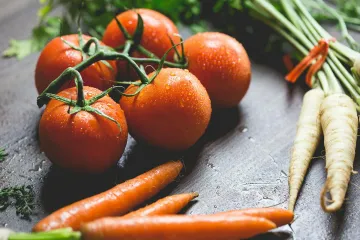
For vegetable lovers, Ratatouille embodies the vibrant simplicity of the South. [2][8] Unlike the heavy sauces of the North, this vegetable mélange relies on the pure flavor of eggplant, squash, peppers, and tomatoes cooked until tender yet distinct. [8]
# Dairy Bread
No discussion of French cuisine can proceed without dedicating serious attention to the non-negotiable supporting cast: cheese and bread. [5] These elements are not side dishes; they are the structural components of countless meals and snacking traditions. [3]
France boasts hundreds of distinct cheeses, with estimates suggesting over 1,000 varieties. [3][5] Cheeses like Brie, Camembert, Roquefort, and Comte are world-renowned, but the local cheese board (le plateau de fromages) served after the main course but before dessert is a deeply ingrained cultural practice. [5] The choice of cheese often reflects the region the meal is being eaten in, tying back to the theme of culinary geography. [3]
The Baguette is perhaps the single most recognizable French food item globally. [5] Its very structure is protected by tradition, requiring specific ingredients and methods to earn the title. [5] It is consumed with nearly every meal, used to sop up sauce, eaten with cheese, or enjoyed simply with butter. [5] The ritual of buying a fresh baguette daily speaks volumes about the French reverence for terroir and immediacy in food preparation. [5] If one item represents daily French life on a plate, the baguette, closely followed by butter and cheese, must be it.
An insightful way to gauge a local French bakery’s quality, particularly outside of major tourist hubs, is to observe the boulangerie's clientele. If you see local residents purchasing their morning pain au chocolat or afternoon baguette in larger quantities than tourists buying souvenirs, it's a strong indicator that the establishment prioritizes genuine neighborhood quality over fleeting visitor appeal. This focus on the routine consumer is where true culinary authority resides.
# Sweet Arts
The final, glorious act of any French meal is dedicated to pâtisserie and desserts, areas where precision meets artistry. [8] The famed pastry shops of Paris exemplify the technical mastery that defines this culinary high-water mark. [6][8]
Dishes like Crème brûlée, with its characteristic smooth custard base contrasting sharply with the brittle, caramelized sugar crust, are celebrated globally. [1][8] The contrast in texture is as important as the taste. [8]
Then there are the molded masterpieces:
- Macarons: Delicate meringue-based sandwich cookies filled with ganache or buttercream, known for their vibrant colors and subtle flavors. [1][8]
- Mille-feuille: Meaning "a thousand leaves," this is a construction of three layers of puff pastry alternating with rich pastry cream. [8]
- Tarte Tatin: An upside-down caramelized apple tart, born of happy accident, which showcases how simple fruit can be transformed through careful caramelization. [1][8]
These sweet preparations are often intricate, demanding specialized skills that separate the boulanger from the pâtissier. [8] They represent the pinnacle of French dedication to technique, where even a small dessert is treated with the seriousness of a grand architectural project. [8]
# Experiencing France
To genuinely answer what the most French cuisine is, one must adopt a flexible perspective. It is not a single dish but the commitment to terroir—the sense of place—that binds the cuisine together. [3] Whether it is the strong flavors of the southwest, the creamy richness of the Normandy dairy regions, or the sunny produce of Provence, the connection to the land is the constant thread. [3][5]
If forced to select the most representative style of cooking, it would be the philosophy underpinning the classics: taking simple, high-quality regional ingredients and applying time-honored techniques to maximize their inherent flavor potential. [3] A tourist enjoying Escargots de Bourgogne (snails cooked in garlic butter) or a local biting into a fresh jambon-beurre sandwich on a baguette embodies different, equally valid aspects of French gastronomy. [1][4][5] The beauty is in the variety, making any definitive choice an incomplete portrait of a magnificent culinary nation. [3]
Related Questions
#Citations
The Best French Food: 29 French Dishes to Enjoy - Dreamer at Heart
What are famous French dishes? : r/Cooking - Reddit
French cuisine - Wikipedia
Most common French dishes in a nutshell: - Left Bank Brasserie
French Food: The Iconic Dishes And Where To Eat Them
16 Best Traditional French Food in Paris - wit & whimsy
What are some of the most popular French foods? - Quora
29 French Dishes You Need To Try At Least Once - Tasting Table
The 21 Best Food In France That You Must Try - Eating Europe