Health Benefits of French Bean
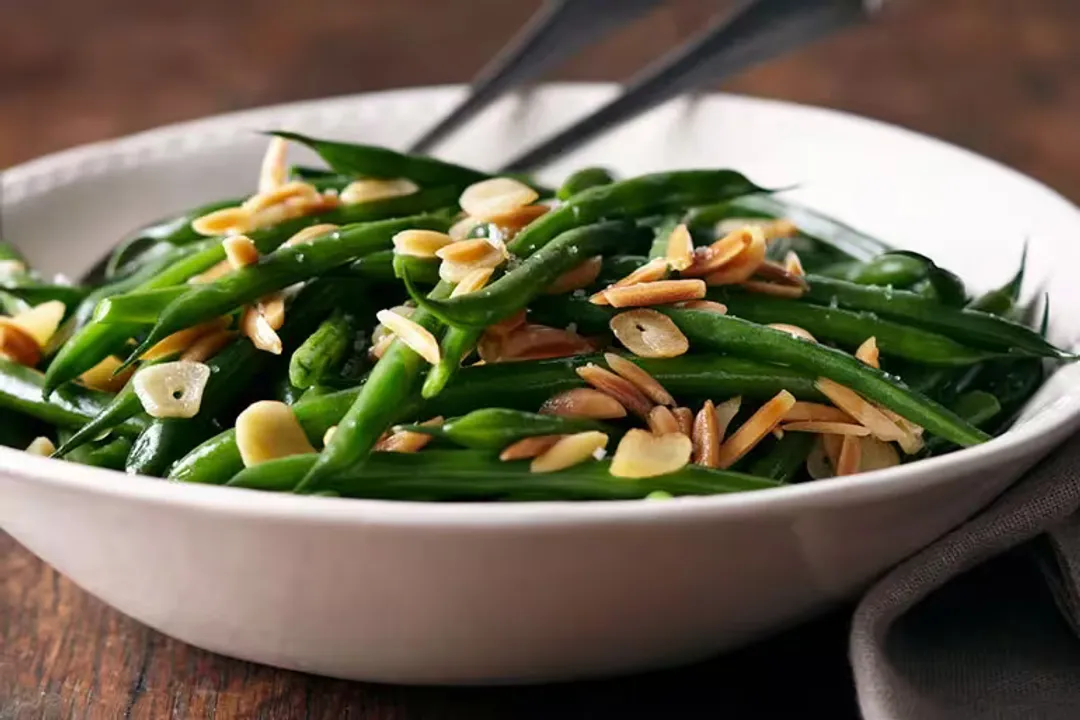
The humble French bean, also known as the string bean or haricot vert—the latter often describing a thinner, more tender variety—is a vegetable staple that offers far more than just a vibrant splash of green on the plate. These immature pods of the common bean (Phaseolus vulgaris) are harvested before the seeds fully develop, making the entire pod edible and delightfully tender. Whether you find them in their signature green hue, or in yellow or purple variations, their nutritional density is exceptional, making them worthy of year-round inclusion in the diet, not just holiday side dishes.
# Nutritional Foundation
French beans arrive with a surprisingly strong nutritional profile, despite being inherently low in calories, fat, and natural sodium. A typical cup serving contains approximately 31 calories, with little to no fat. This low-energy density, coupled with significant fiber content, is the bedrock of many of their observed health advantages.
When examining the mineral landscape, French beans provide a spectrum of essential elements. Research analyzing various homegrown samples found the elements organized into macroelements and microelements. Potassium (K) stood out as the most abundant macroelement, followed by Phosphorus (P), Calcium (Ca), Sulfur (S), and Magnesium (Mg). Notably, this vegetable is a good way to boost intake of magnesium, a mineral where a significant portion of the American population falls short of adequate consumption. Microelements detected included Iron (Fe), Zinc (Zn), and Manganese (Mn).
The vitamin contribution is equally important. They are highlighted as an excellent source of Vitamin K, providing a substantial portion of the daily value in a single cup. They also supply a good measure of Vitamin C, an essential antioxidant, and Folate (Vitamin B9). While definitive nutritional figures vary depending on the specific variety, growing conditions, and measurement methods (fresh weight vs. dry weight), the consensus is clear: they deliver significant micronutrients in a low-calorie package. For instance, one review indicated that a single cup supplies about 36% of the daily Vitamin K need and around 18% of Vitamin C.
# Fiber's Role
The dietary fiber found in green beans is key to supporting a well-functioning digestive system. This indigestible plant material works in two primary ways: by softening stool to maintain regularity and by feeding beneficial bacteria in the gut, thus supporting the overall microbiome.
The nature of this fiber provides a distinct advantage over many processed snacks. Foods high in processed sugars, even if low in fiber, can cause rapid blood sugar spikes followed by sharp drops, which often trigger renewed hunger sensations. Green beans, by contrast, offer a better nutritional balance, containing similar amounts of natural sugar and fiber, which slows digestion. This slower transit time helps sustain feelings of fullness for longer, potentially helping to sidestep that mid-afternoon energy slump where hunger often dictates poor food choices, a benefit that goes beyond simple calorie restriction. Furthermore, the soluble fiber present acts like a sponge in the colon, capable of soaking up cholesterol before it enters the bloodstream, which is a direct pathway to promoting better heart health.
For those managing specific digestive sensitivities, the low-FODMAP nature of green beans is a significant point of comparison. FODMAPs are short-chain carbohydrates that can cause gas, bloating, and pain in susceptible individuals, like those with Irritable Bowel Syndrome (IBS). Because green beans are generally low in these fermentable compounds, they can be included in the diet more comfortably than many other legumes or vegetables.
# Bone Structure
Strong bones rely on a few key players, and green beans deliver several of them, primarily through their high Vitamin K content. Vitamin K is indispensable for proper bone matrix formation, a factor often overlooked when discussions focus solely on calcium.
However, they contribute more than just Vitamin K. Green beans pack a combination of bone-building minerals: calcium, magnesium, and phosphorus. When these minerals work in concert with Vitamin K, they can boost overall bone mass and potentially reduce the risk of fractures and conditions like osteoporosis. It’s important to remember that while calcium gets the spotlight, having sufficient co-factors like K and Mg is what allows the body to effectively integrate that calcium into the skeletal structure. This comprehensive mineral package provides better support than relying on a single nutrient supplement.
# Heart Function
Maintaining a healthy cardiovascular system involves managing blood pressure and cholesterol levels, areas where the nutrient composition of green beans is advantageous.
The soluble fiber previously mentioned aids in lowering harmful LDL cholesterol levels. Simultaneously, the presence of potassium and folate contributes to blood pressure regulation when incorporated into an overall healthy lifestyle. For those concerned about heart rhythm, the high potassium content in green beans is often viewed as beneficial in addressing issues like arrhythmias and general chest pain by improving overall blood flow. Furthermore, one study noted that French beans boast a very low cholesterol content inherently, making them a safe, frequent addition to heart-conscious eating plans. It’s worth noting that one specialized analysis found a very strong positive correlation between Potassium (K) content and Ash content in the pods, suggesting that mineral-rich soil directly translates to higher levels of this critical electrolyte.
# Immune Defense
Keeping the body’s defenses sharp is a year-round task, and eating nutrient-dense produce like green beans plays a role in supporting immune efficiency. The substantial amount of Vitamin C is crucial for immune function, helping the system respond optimally when the body encounters pathogens.
Beyond Vitamin C, the presence of minerals like zinc and copper further aids in bolstering immune responses. While eating green beans won't stop you from catching a common cold, ensuring your immune system is well-supported by these necessary micronutrients means it can work more efficiently when it needs to fight off an invader. The antioxidant properties found in the phytonutrients, such as quercetin and kaempferol, also contribute by neutralizing free radicals that cause cellular damage, which is a foundational aspect of disease prevention.
# Metabolic Balance
The relationship between French beans and metabolic health, particularly weight management and blood sugar control, stems from their fiber and low glycemic index. As noted earlier, the fiber slows digestion, which prevents sharp blood sugar peaks that often lead to subsequent crashes and subsequent cravings. This quality makes them a favorable choice for individuals managing diabetes, as they are not considered a high glycemic index food.
One specific insight shared is that the juice of French beans may assist in the secretion of insulin, which is particularly useful for diabetic management, an effect that is reportedly enhanced when consumed alongside cabbage juice. For weight management, the satiety effect provided by the fiber means you feel full longer, naturally supporting efforts to reduce overall calorie intake.
# Preparation Cooking
How you treat your green beans significantly influences how much nutritional benefit you receive. Thermal processing—cooking—is standard for palatability, enhancing digestibility, and eliminating potential anti-nutrients.
One notable compound present in all beans, including green beans, is lectin. While lectins can cause digestive distress, thorough cooking effectively deactivates them. Another compound to be aware of is phytic acid, which can bind to certain minerals and reduce their absorption; proper cooking and preparation methods can help mitigate this effect.
When cooking, the method matters immensely for preserving water-soluble vitamins like Vitamin C and B vitamins. Boiling in large amounts of water can cause these nutrients to leach into the cooking liquid, which is often discarded. To maximize nutrient preservation, it is best to use minimal water or no water at all. Recommendations include:
- Steaming until they are barely tender.
- Roasting in the oven.
- Sautéing, often with healthy fats like olive oil, which can aid the absorption of fat-soluble vitamins like Vitamin K.
It is important not to overcook them, as excessive heat and water exposure can diminish nutrient value. If canned beans are your only option, they are still nutritious, but always opt for low-sodium varieties or rinse them well before heating to remove excess salt.
# Sourcing and Variation
It is fascinating to note that the nutritional composition of these vegetables is not static. A scientific examination of pods grown under different conditions in Slovenia revealed significant differences in macronutrient and mineral content between samples. This finding suggests that the soil composition, growing methods (irrigation, fertilizer), and even the specific genotype of the bean variety can alter the final nutritional makeup.
This inherent variation presents an opportunity for the informed consumer or gardener. While food composition databases offer useful averages, the reality on the ground is more dynamic. If you are a dedicated gardener, understanding that pest resistance and the "stringless" trait are highly valued characteristics by growers might guide your variety selection, but be aware that the mineral density you gain may fluctuate year-to-year based on local growing conditions and weather patterns. Furthermore, for those concerned about maximizing mineral intake, considering beans sourced from regions known for rich, diverse soil—or simply rotating the varieties you grow annually—is a practical way to ensure a broader spectrum of trace elements, as nutrient variation was shown to be significant across the board, even for highly abundant elements like Potassium.
Finally, on the topic of food grouping, while botanically a legume, green beans are generally classified nutritionally as a vegetable because the pod is the primary part consumed and the seed is underdeveloped. However, because they still contain protein and fiber characteristic of legumes, they are unique in that they can often count toward both vegetable and protein servings in certain dietary frameworks. In short, these tender pods are a powerhouse, deserving attention for their fiber, vitamins K and C, and essential minerals like magnesium and potassium.
Related Questions
#Citations
The Health Benefits of Green Beans
Health Benefits of Green Beans - WebMD
How Nutritious Are French Beans (Phaseolus vulgaris L.) from the ...
French Beans – Health Benefits, Uses and Important Facts
The Health Benefits of Green Beans - AANMC
French Beans - Alpine Fresh
What is the nutritional value of vegetable French beans? - Quora