What is Tosa cuisine?

Tosa cuisine is far more than a collection of recipes; it represents the distinct culinary identity forged in the historically significant Kochi Prefecture, formerly known as Tosa province. [1][4] Nestled on the southern coast of Shikoku, this region is characterized by its rugged geography—dense, green mountains covering 84% of the land rising sharply to meet the warm flow of the Kuroshio Current in the Pacific Ocean. [1] This unique environment provides an exceptional bounty, drawing equally from the sea, the clear rivers, and the high mountain terrain. [1][3] Tosa-jin, the people of Tosa, possess a "merry community mindset" deeply rooted in gathering, sharing food, and enjoying life, which is the true secret ingredient behind their regional fare. [1]
# Kochi Geography

The environment dictates the menu in Tosa. The proximity of towering peaks to the ocean ensures that ingredients are intensely flavorful, whether sourced from the cool rivers like the Shimanto and Niyodo, or harvested from the vast Pacific. [1][7] This richness in natural resources means Tosa cuisine relies heavily on showcasing the ingredient's original flavor, often favoring simplicity over heavy saucing, a characteristic shared by many traditional Japanese styles but refined here through local bounty. [1]
# Katsuo King

When discussing Tosa food, the conversation inevitably centers on katsuo, or skipjack tuna (bonito). [1][7] The Kuroshio Current is the migratory path for this highly prized fish, making it a staple of the local diet. [4] The way katsuo is caught significantly impacts its quality, and Tosa prides itself on the traditional ippon-zuri method. [7] This pole-and-line technique involves catching each fish individually using long poles, a process that requires years of experience and minimizes stress on the fish, preserving its flesh quality far better than mass-trawling methods. [4][7]
# Seasonal Flavors
The seasonality of katsuo brings forth two distinct culinary experiences. [7] In the spring, the fish caught are known as hatsugatsuo, or "first bonito." These are lean, firm, and offer a lighter, refreshing taste. [7] Conversely, the autumn run sees the return of modorigatsuo. These fish have fattened up during their northward swim and consequently possess a richer, more intense flavor, making them highly sought after. [4][7] This dedication to seasonality demonstrates an expertise where chefs must know the "good and bad of each ingredient" to truly maximize its potential. [1] Considering the effort involved in sourcing fish via ippon-zuri—a sustainable, artisanal approach—it’s an insightful reflection of Tosa’s commitment to quality over quantity, ensuring that the resulting flavor profile is clean and inherently superior to fish handled with less care. [1][7]
# Tataki Secrets
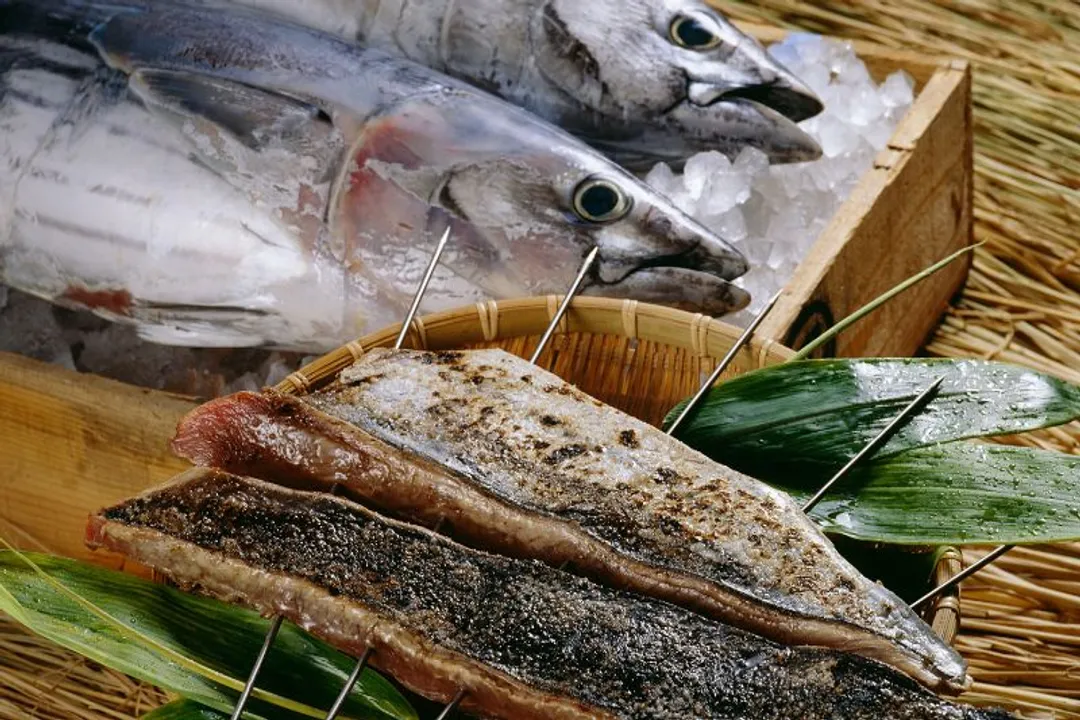
The undisputed signature dish of the region is Katsuo no Tataki. [1][4] This preparation involves searing only the surface of the bonito fillet, leaving the interior raw, akin to a quick-seared sashimi. [4][7] Traditionally, the searing was performed over burning straw, which provided a fast, hot burn. [1][4] However, some modern practitioners, like Chef Ito of Tsukasa, prefer charcoal fire for its intense heat (up to Celsius), which crisps the skin instantly while keeping the inside tender. [1] The debate lies in the level of smoke; while traditional methods used straw heavily, which imparted smoke, purists argue heavy smoke can mask the natural flavor of very fresh katsuo. [1] At Tsukasa, they use charcoal primarily and add straw only at the very end for a subtle aromatic boost, suggesting a focus on purity of flavor when the ingredient quality is paramount. [1]
The resulting tataki is often sliced thickly and served with a sauce that highlights the fish’s inherent qualities. [4] While accompaniments vary, authentic Kochi-style service mandates the inclusion of garlic. [4] The flavor composition of Katsuo no Tataki is fascinating, hitting all five tastes: sweetness from the enhanced amino acids, bitterness from the light char, saltiness from pre-treatment seasoning, sourness from ponzu sauce, and rich umami inherent to bonito. [1]
# Platter Artistry
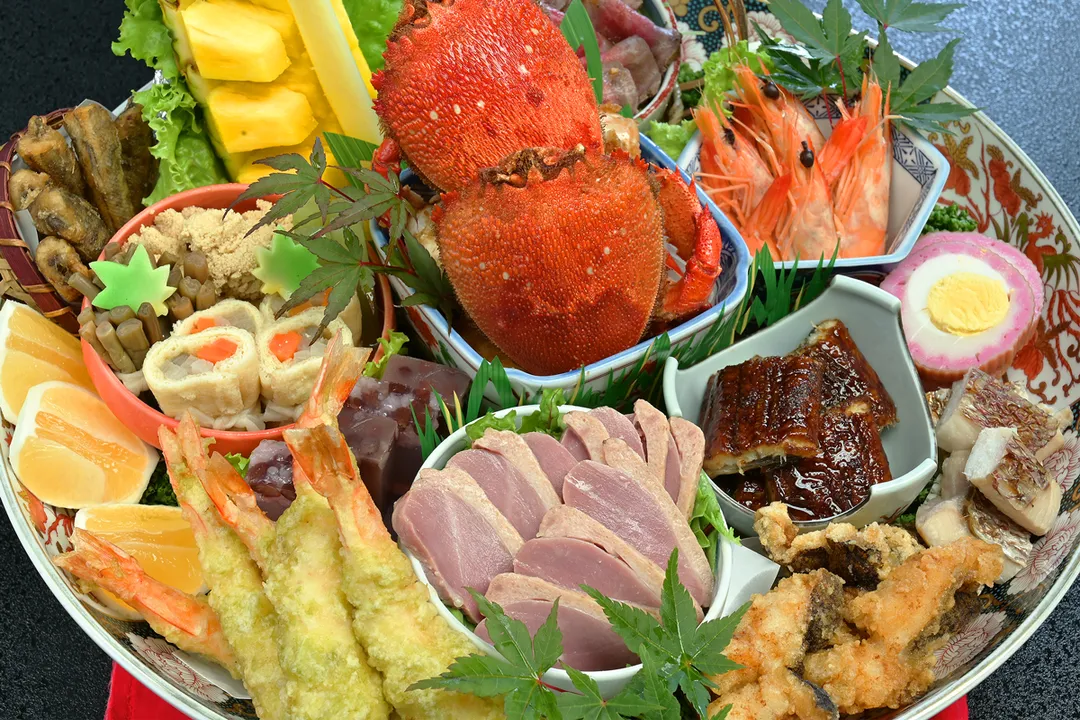
Moving from the sea's bounty to the communal table, Sawachi Ryori stands out as a centerpiece of Tosa hospitality. [1][4] Sawachi translates loosely from the Tosa dialect to "heaped plate cuisine," and it involves arranging a massive platter with a diverse assortment of local delicacies. [4] The philosophy behind Sawachi Ryori is described as having "not to follow any rules," focusing instead on vibrancy, color, and showcasing the best of what the mountains, rivers, and ocean offer. [1][6]
A typical Sawachi presentation might feature a striking centerpiece, like a whole spiny lobster, surrounded by sashimi, steamed items, and fried dishes, ensuring seasonal variety. [1][6] Restaurants like Tokugetsurou offer this style alongside traditional Kaiseki, [3] while others, like Ryotei Hamacho, integrate it with the local Okyaku drinking party experience, which involves traditional games and interaction with geishas. [6] The emphasis remains on the dynamic presentation and sharing of abundant, local flavors. [3][6]

# Mountain Rice
Not all Tosa delicacies rely on the ocean. Tosa Inakazushi (literally "country sushi") showcases the wisdom of people living in the mountainous areas where seafood was scarce. This hand-shaped sushi uses wild vegetables and mountain delicacies for toppings, often served on special occasions like weddings and festivals.
Inakazushi is distinctive because the vinegared rice is seasoned with yuzu vinegar, lending it a characteristic refreshing and simple taste. The toppings are diverse and non-seafood based, commonly including:
- Ryukyu (pickled Indian taro stems).
- Japanese knotweed (sorrel) pickled in salt.
- Shiitake mushrooms simmered in a sweet preparation.
- Bamboo shoots (like the seasonal Shiho-chiku, or square bamboo shoot). [1]
Interestingly, this preparation often avoids meat, eggs, and seafood, leading to its recent recognition as a vegan-friendly option. The rice can be topped, or in a style similar to inarizushi, stuffed inside konnyaku or bamboo shoots. While the name Tosa Inakazushi was only formalized in 1986, the practice is ancient, born from necessity and preserved through local pride.
To appreciate the scope of Tosa's non-seafood items, one can observe how the ingredients mirror the terrain, creating a contrast with the ocean-centric Tataki. While Katsuo no Tataki balances sweet, bitter, salty, sour, and umami through searing and seasoning, Inakazushi achieves its refreshing simplicity primarily through the bright, acidic lift of yuzu vinegar and the earthy texture of mountain vegetables. [1] This duality highlights a core strength of the cuisine: its ability to create complex flavors from highly localized, season-specific materials. [1]
# Tosa Drink
The culinary experience is incomplete without mentioning Tosa Sake. Kochi Prefecture is known as a "Land of Sake," boasting 19 breweries actively pursuing quality and innovation. [2] A defining characteristic shared by many Tosa brews is their pronounced dryness. [2][4] This dryness stems from a low glucose level, resulting in a crisp acidity, clean finish, and minimal off-flavors. [2]
This profile is highly functional within the local dining culture. As one manager noted, the dry sake pairs exceptionally well with the rich flavor of katsuo. [4] The sake is not just dry; it possesses a well-defined freshness and umami, allowing for sessionable drinking without the palate becoming fatigued. [2] Examples of this style include the Honjo Karakuchi from Tosatsuru, which is bone-dry yet mild, and Suigei, a crisp, light-bodied sake. [4]
# Party Culture
The intense focus on making sake sessionable is directly tied to the social rituals of Tosa, the Tosa Okyaku (party). [2] This gathering is defined by Nakama, a concept meaning "sharing". [2] In an Okyaku, sake cups are shared, often using special vessels like the bekuhai, which features a hole in the base, demanding the drinker finish their cup before setting it down. [2][4] The sake, the Sawachi cuisine, and the convivial atmosphere all combine to break down social barriers, welcoming strangers into the Nakama circle instantly. [2]
The collaboration among Tosa brewers is also remarkable. They operate under the "Kochi System," where the local industry group commissions the Prefectural Industrial Technology Center to monitor quality across all breweries, sharing data on yeast, koji, and moromi. This collective commitment to quality control is unique among Japanese prefectures and is cited as a reason why any Tosa sake is reliably delicious. [2]
# Tokyo Echoes
While rooted deeply in Shikoku, the taste of Tosa has successfully traveled to major metropolitan areas like Tokyo. [4] Restaurants like Neboke have established presences, bringing the regional specialties to a wider audience. [4] In these outposts, set menus often feature core Tosa elements, such as Katsuo no Tataki served with ponzu, garlic, daikon radish, and shiso. [4] They also showcase tosa-ten, a local variation of satsuma-age (fried fish cake), and sometimes offer Sawachi Ryori for those seeking a more spectacular, albeit expensive, group meal. [4] Furthermore, Tosa's influence extends to the Izakaya scene, where dishes like Tosa Maki (or Tosa roll) appear, integrating local flavors into more casual dining formats. [5] Even in restaurants in Kochi City, like Ryotei Hamacho, the experience often blends the food with traditional entertainment like ozashiki play, combining fine dining with interactive cultural moments. [6]
The enduring appeal of Tosa cuisine lies in this complete package: the freshest ingredients extracted with artisanal care, combined into visually stunning dishes meant for generous sharing, all accompanied by a distinctively dry, social lubricant in the form of local sake. [1][2][6]
Related Questions
#Citations
Tosa Dish: A Hidden Treasure from Kochi Prefecture - Umami Insider
Top_en
Cuisine|Tokugetsurou - 得月楼
The taste of Tosa in Tokyo - The Japan Times
Tosa's Katsuo: A Taste of Japan's Finest - japan village
Ryotei Hamacho 料亭 濱長 - Japan Travel with Tabiiro
Tosa Inakazushi | Traditional Foods in Japan : MAFF