What is a Tosa dish?

The culinary world often presents terms that sound identical but refer to vastly different traditions, and "Tosa dish" is a prime example of this linguistic crossover. When encountering this term, one must first determine the cultural context, as it frequently points toward two distinct gastronomic regions: the maritime cuisine of Japan's former Tosa Province (modern-day Kochi Prefecture) or, less accurately but quite commonly, the South Indian staple known as Dosa. For those seeking the authentic Japanese culinary definition, a Tosa dish is intrinsically linked to the Pacific Ocean and one specific, powerful ingredient: katsuo, or skipjack tuna. [6]
# Tosa Province Identity
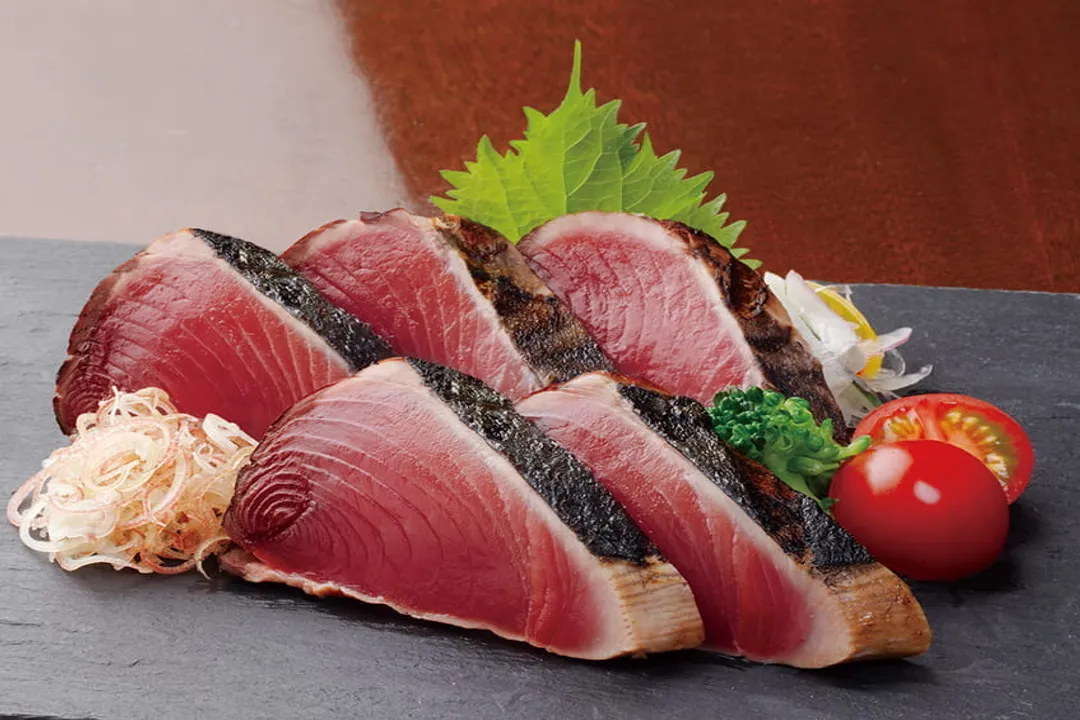
The name "Tosa" immediately anchors the dish to a specific geographical origin in Japan, which is now known as Kochi Prefecture. [6] This region, situated along the southern coast facing the Pacific, has a history deeply intertwined with the sea, making seafood the cornerstone of its local diet and culinary identity. [6] The local cuisine reflects this environment, emphasizing freshness and preparation methods that honor the bounty of the ocean. Therefore, when a dish is labeled "Tosa," it typically implies that the preparation honors the traditional methods or features the characteristic ingredients of this area, most notably skipjack tuna. [6]
# Katsuo Significance
The undisputed king of Tosa cuisine is katsuo. [6] This fish is not just a local staple; it is an icon of Kochi. The region is famous for its methods of harvesting and processing this fish, which often involves smoking and drying it to create katsuobushi—the dried, fermented, and smoked skipjack tuna used globally as a potent source of umami, often shaved into paper-thin flakes. [6]
However, Tosa cuisine utilizes katsuo in various forms beyond the dried flakes. Freshly caught katsuo is highly prized, especially when lightly seared on the outside while remaining raw inside, a preparation known as katsuo no tataki. [6] This preparation highlights the natural flavor and texture of the fish itself. If a dish is described as Tosa-style, it’s a very strong indicator that katsuo—whether fresh, seared, or preserved—is a primary component. [6] The utilization of the whole fish reflects a deep respect for the resource and a commitment to flavor preservation passed down through generations of local cooks. [6]
Considering the economic reality of island nations and coastal communities, it makes perfect sense that a defining regional cuisine would center on its most abundant protein. In Kochi, that protein is undeniably katsuo. It is a culinary heritage built on seasonality and preservation techniques designed to manage a rich, but sometimes volatile, local harvest.
# Preparation Styles
The "Tosa style" isn't just about the ingredient; it also describes a method of cooking or presentation that incorporates those signature ingredients or flavors.
# Simmered Shoots
One specific example of this style involves vegetables simmered in a broth flavored by bonito products. For instance, Tosani, or Tosa-style simmered bamboo shoots, involves cooking the shoots in a dashi flavored heavily with katsuobushi. [4] This technique involves gently simmering ingredients, allowing them to slowly absorb the deep, savory notes imparted by the bonito flakes, resulting in a tender and intensely flavorful side dish. [4] This preparation underscores the pervasive influence of the dried fish product in everyday Tosa cooking, often serving as the base flavor profile for many savory items. [4]
# Maki Rolls
Another common appearance of the Tosa name in modern Japanese menus is found in izakaya (Japanese pubs). Here, you might encounter a Tosa Maki or Tosa Roll. [1] While the exact contents can vary between establishments, the defining characteristic of a Tosa Maki is usually the generous coating or inclusion of katsuobushi flakes on the outside or mixed within the filling. [1] This provides a strong, smoky, and savory textural element to the sushi roll. For instance, some versions feature ingredients wrapped with fish, then topped with dried bonito flakes. [1] It’s a simple textural addition that instantly signals the Tosa influence, contrasting the delicate rice and fillings with the potent flavor of dried fish.
# The Dosa Distinction
A significant point of confusion arises because the spelling "Tosa" is visually and phonetically close to the South Indian dish Dosa. [2][3] It is crucial to recognize that Dosa has absolutely no connection to Japanese Tosa cuisine, ingredients, or geography. [2][3]
Dosa is a thin, savory crepe originating from South India, often associated with states like Tamil Nadu and Karnataka. [2][3] Its primary components are a fermented batter made from rice and black lentils (urad dal). [2][3] The preparation involves pouring a ladle of this thin batter onto a hot griddle (tava), spreading it thinly, and cooking it until crisp and golden brown. [2]
Here is a basic comparison to highlight the differences:
| Feature | Tosa (Japanese Cuisine) | Dosa (South Indian Cuisine) |
|---|---|---|
| Origin | Kochi Prefecture (Tosa), Japan [6] | South India [2] |
| Primary Ingredient | Katsuo (Skipjack Tuna) [6] | Fermented Rice and Lentil Batter [3] |
| Texture/Form | Varies: Seared fish, simmered dish, sushi roll component [1][4] | Thin, crisp, savory crepe [2] |
| Flavor Base | Umami from katsuobushi (bonito flakes) [6] | Slightly sour from fermentation [3] |
The confusion is understandable in a global context where similar-sounding names get intermingled, but the fundamental chemistry and history are worlds apart. While a Tosa dish celebrates umami derived from dried fish, a Dosa relies on the tangy complexity developed through natural fermentation. [2][3]
# Other Sound-Alike Terms
To add another layer to the terminological puzzle, the spelling similarity extends slightly further, though these are far less common in international culinary discourse than Dosa. Some Indian recipe databases show a dish called Tosha, which appears to be a regional recipe, potentially from Northwest India, that might involve ingredients like milk or perhaps lentils, suggesting yet another distinct food item entirely. [7] While specific details on Tosha are scant in comparison to the well-documented Dosa and the established Tosa cuisine, its existence reinforces the fact that the phonetic sound "Tosa" is not exclusive to one culture. [7]
The key takeaway for any diner is to establish context immediately. If the setting is a Japanese restaurant, particularly one specializing in regional fare, "Tosa" refers to the flavors of Kochi, dominated by bonito. [6] If the setting is South Indian, the spelling error or phonetic similarity points to the fermented crepe, Dosa. [2]
# Culinary Context and Authenticity
Understanding what makes a Tosa dish authentic reveals a deep appreciation for resourcefulness. In Kochi, where fishing is central, nothing about the katsuo goes to waste. From the savory stock made by boiling the bones and flakes to the intensely flavored, seared flesh, the ingredient dictates the preparation. [6] The Tosa style, therefore, is less about a fixed recipe and more about a philosophical approach: maximize the flavor derived from the sea's main offering.
This philosophy contrasts sharply with the Dosa, which relies on a time-intensive, careful process of fermentation to achieve its characteristic texture and slight tang. [3] While both represent regional mastery—one through mastery of preservation and immediate flavor extraction (Tosa), the other through mastery of fermentation science (Dosa)—their paths to the plate are entirely different.
When encountering a dish labelled Tosa in a Japanese context, consider the preparation method. Is it dry-cured (like katsuobushi sprinkled over a cold item), lightly cooked (like tataki), or simmered deeply (like Tosani)? Each method extracts a different facet of the katsuo's rich flavor profile, making the term a surprisingly specific identifier for the cuisine of Kochi Prefecture. [1][4][6] For instance, if you are served a platter of appetizers in an izakaya, noticing a slightly smoky, umami-rich item served alongside sashimi or grilled skewers is often the most immediate clue that you are experiencing a touch of Tosa tradition. [1]
#Videos
What is the Indian Dosa ? - YouTube
How to Make Traditional Sindhi Tosha - 100 Years Old Recipe
Related Questions
#Citations
Izakaya Menu #3 - Tosa-Maki (Tosa Roll)
What is a Dosa? All About This Indian Crepe - Sukhi's
Dosa (food) - Wikipedia
Tosani (Tosa Style Simmered Bamboo Shoots)
What is the Indian Dosa ? - YouTube
Our Dishes | Traditional Japanese Cuisine Restaurant
How to Make Tosha Recipe - Times Food
TOSA coconut curry noodle dish was really tasty! - Instagram