Health Benefits of French Sorrel
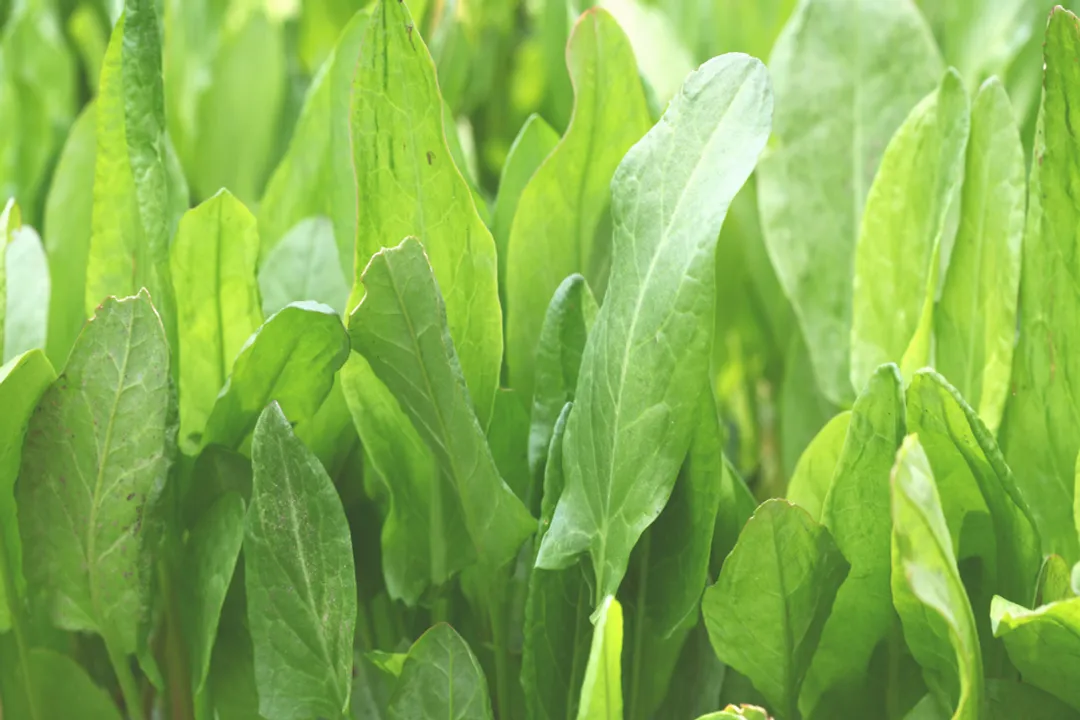
French Sorrel, scientifically known as Rumex scutatus, possesses a unique profile that makes it a prized ingredient, particularly in European cooking, far beyond its simple appearance as a green leaf. Its immediate hallmark is a sharp, distinctively lemony tang that cuts through richer ingredients, setting it apart from the generally milder flavors found in other leafy greens. [2][9] While often grouped with other edible Rumex species, understanding the benefits tied to this specific plant requires looking closely at its nutritional makeup and traditional applications.
# Flavor Profile
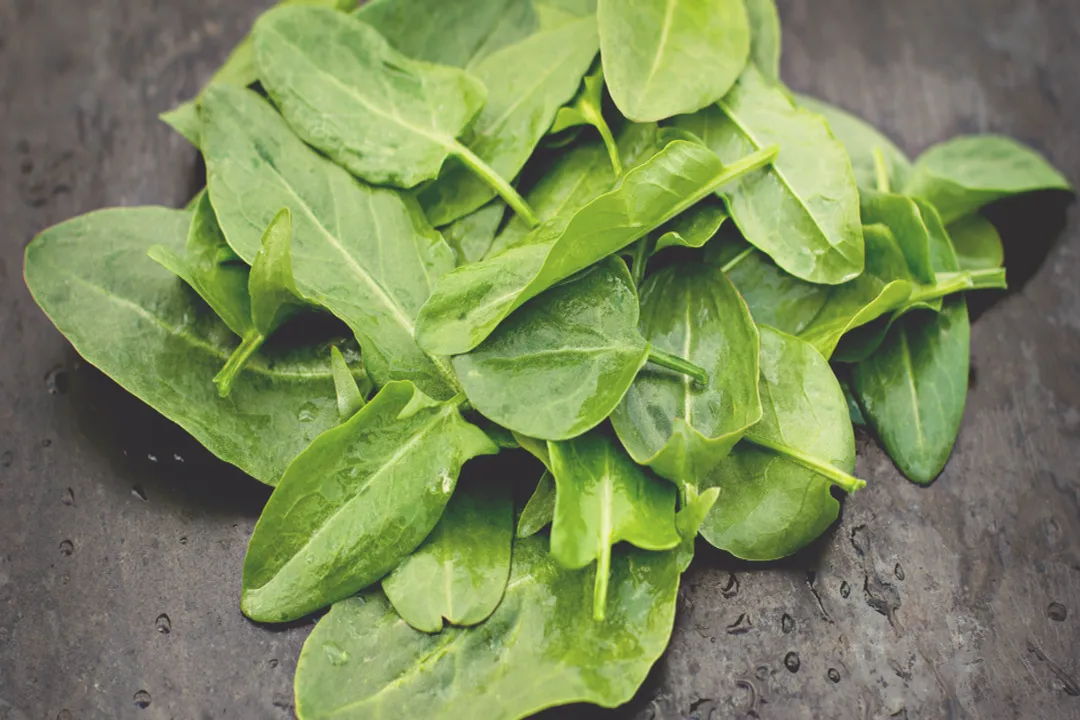
The culinary reputation of French Sorrel rests almost entirely on its acidity. This bright, citrusy flavor is not merely an accent; it is the defining characteristic that dictates how it is best used in the kitchen. [2] Unlike spinach, which wilts to a neutral background flavor, sorrel actively contributes a sour note reminiscent of lemon juice, but with the textural appeal of a tender leaf. [9]
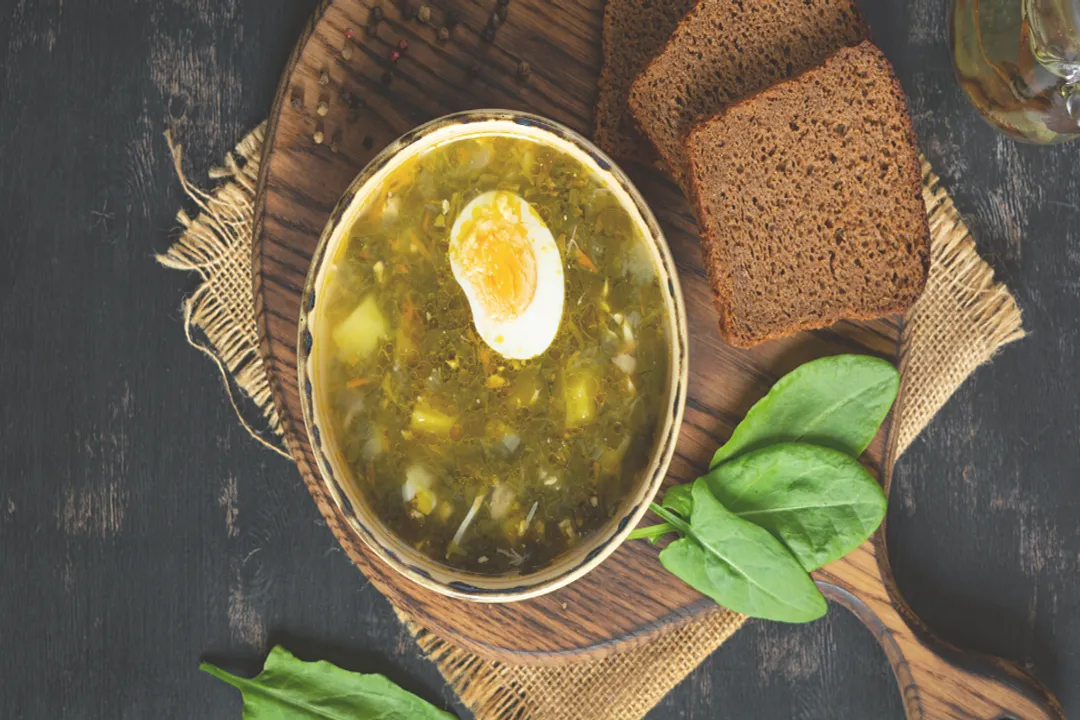
It is an incredibly low-calorie food item, offering significant flavor impact without adding substantial caloric load to a meal. [1] Traditionally, it shines when paired with creamy or fatty elements. For example, a classic French preparation involves blending the leaves into a smooth, pale green sauce often served alongside salmon or veal. This pairing isn't just about taste; the fat in the sauce naturally softens the sharp edge of the leaf while the acidity brightens the overall profile, creating a balanced dish that feels both light and deeply flavored. [2]
If you are working with French Sorrel for the first time, consider this simple adjustment: when making a cold salad, lightly dress it with a neutral oil and a touch of honey or maple syrup. This small addition of sweetness prevents the inherent tartness from dominating the palate, allowing the vegetal notes to come forward subtly. [1][2] This technique respects the leaf’s natural acidity while making it more approachable for those unfamiliar with its sharp character.
# Core Nutrients
Despite its delicate appearance, French Sorrel packs a notable punch of essential vitamins and minerals, making it a nutrient-dense addition to the diet. [1][8] The concentration of certain micronutrients is particularly high, often rivaling or exceeding more commonly consumed vegetables. [5]
A significant component of its nutritional value is its Vitamin C content. [5][9] Vitamin C is vital for supporting the immune system and acts as a powerful antioxidant within the body. [5][8] Furthermore, the leaves supply substantial amounts of Vitamin A, which is crucial for maintaining healthy vision and skin integrity. [5][9]
Beyond the primary vitamins, sorrel is a good source of minerals necessary for various bodily functions:
- Potassium: Important for maintaining healthy blood pressure levels by balancing the negative effects of sodium. [1][8]
- Iron: Necessary for the formation of red blood cells and oxygen transport throughout the body. [1][5]
- Vitamin K: Essential for proper blood clotting and bone health. [1]
When comparing the nutritional output to bulkier greens, it is important to remember that while the absolute volume of nutrients per gram of sorrel might be slightly less than, say, spinach, the flavor profile of sorrel means you use less of it to achieve a desired taste effect in a recipe. Therefore, the effective nutritional delivery per dish can be quite high, especially considering how often it is used as a powerful flavor accent rather than a primary base ingredient. [2]
# Disease Fighters
Like many intensely flavored plants, French Sorrel contains various phytochemicals that act as antioxidants, helping the body manage oxidative stress caused by free radicals. [3][5][8] These compounds are what often give brightly colored or sharply flavored plants their reputed health-promoting qualities.
The presence of flavonoids and other polyphenolic compounds is central to this protective action. [3] By neutralizing these unstable molecules, these antioxidants help support overall cellular health, which is foundational to long-term wellness. While research on sorrel specifically can sometimes overlap with studies on other Rumex species, the general consensus points toward a high antioxidant capacity in plants of this family. [1][5]
# Wellness Support
Historically, plants with strong diuretic properties have been incorporated into traditional medicine practices, and sorrel is no exception. [9] Traditional uses often pointed toward supporting the liver and kidneys, largely attributed to its gentle diuretic effect, which can aid in flushing out excess water and potentially mild toxins. [9]
For individuals focused on maintaining healthy circulation, the mineral profile supports this goal. The Vitamin C supports the integrity of blood vessel walls, while the potassium content plays a role in blood pressure regulation. [1][5] Furthermore, the high Vitamin A content directly contributes to eye health, assisting in the maintenance of the cornea and retinal function. [5]
It is interesting to note how the chemical makeup supports its traditional uses. The presence of compounds that encourage diuresis [9] works synergistically with the high Vitamin C content, which is often linked to general immune responsiveness. [5] When considering dietary supplementation or herbal remedies, it is always wise to consult with a healthcare provider, as interactions with existing medications are possible, especially given the known diuretic effects of some plant extracts. [6]
# Oxalic Acid Note
Any serious discussion of consuming large quantities of sorrel must address its oxalate content. Sorrel leaves contain significant amounts of oxalic acid, a naturally occurring compound that can bind with minerals like calcium. [2] In sensitive individuals or when consumed in very large, unmoderated amounts, high oxalate intake can be linked to kidney stone formation. [6]
This isn't a reason to avoid the herb entirely, but it demands mindful consumption. Unlike spinach, which is often consumed in large, cooked portions, sorrel's intense flavor usually limits its intake volume in a single sitting. [2] A recipe calling for a handful of sorrel in a soup or sauce is vastly different from eating a large bowl of cooked spinach.
If you are someone prone to kidney stones or are advised by a physician to limit oxalate intake, treat French Sorrel as you would other high-oxalate greens like rhubarb or purslane—enjoy it for its flavor, but practice moderation rather than using it as the bulk of your daily greens intake. [2][6] Cooking sorrel, like many greens, can help reduce the level of oxalic acid present, though the characteristic tartness, which is derived from other acids, will remain. [2]
# Usage Notes
The key to successfully incorporating French Sorrel into your routine lies in respecting its intensity. Given that its sharpness is due to acids, you can manage this intensity through preparation method and pairing. [2]
For a home cook looking to expand beyond the standard soup, consider creating a Sorrel Compound Butter. Finely mince about one part sorrel leaves to four parts softened, high-quality unsalted butter. Mix thoroughly with a pinch of salt and perhaps a whisper of finely minced shallot. Roll this mixture into a log using parchment paper and chill until firm. Slices of this compound butter, placed atop grilled white fish or simply melted over steamed asparagus, will impart that signature bright, lemony flavor without overwhelming the dish. This method allows you to measure the intensity precisely while enjoying the flavor benefits. [2][9]
Furthermore, while many sources discuss sorrel juice, be cautious when interpreting data related to "sorrel drinks," as these frequently refer to Hibiscus sabdariffa (Roselle) preparations, which have different chemical compositions and benefits than Rumex scutatus. [7] Focusing on the actual leaf, whether fresh or lightly cooked, is the most reliable way to ensure you are deriving the specific benefits associated with French Sorrel's unique nutrient blend. [2][9] It remains a niche but powerful culinary tool for adding brightness and nutrient support to the plate.
#Videos
Sorrel Drink! | 10 Benefits of Sorrel - YouTube
Related Questions
#Citations
Sorrel: Nutrients, Benefits, Downsides, and Recipes - Healthline
[PDF] sorrel (rumex acetosa) plant facts nutritional benefits growing ...
Sorrel Health Benefits, Nutrition Facts and How to Use - Dr. Axe
Sorrel Drink! | 10 Benefits of Sorrel - YouTube
What Are the Health Benefits of Sorrel? - Food Network
Sorrel: Health Benefits, Side Effects, Uses, Dose & Precautions
21 Benefits of Sorrel - OTC Beverages
15 Amazing Sorrel Benefits - Flora
French Sorrel - healing herbs - Herbs2000.com