What aesthetic factor in presentation is considered as important as the food itself, requiring strategic empty areas on the plate?
Answer
The deliberate use of Negative Space.
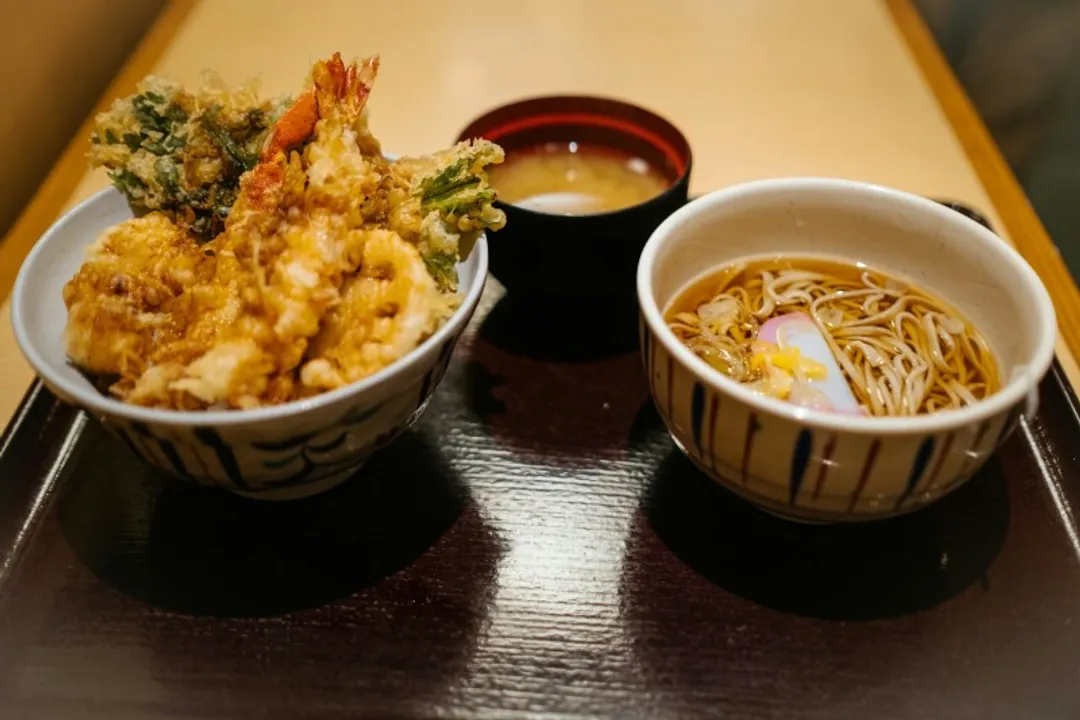
In the realm of authentic Japanese food culture, visual presentation is considered an inseparable art form that appeals to the eye before the palate. This attention to aesthetics involves several key factors, including color balance and careful vessel choice. Crucially, the strategic use of empty space on the plate, known as Negative Space, is treated with high importance, considered as significant as the food item placed upon it. This technique directs the diner's focus, implies restraint, and helps frame the prepared dish, often mimicking natural scenery. Furthermore, even small details like the placement of a single garnish can subtly communicate the seasonality of the dish being served.
Related Questions
What are the two primary ingredients used to create traditional dashi stock?What is the structural role of plain steamed rice, or gohan, in a traditional Japanese meal?What concept defines the strict adherence to consuming ingredients only when they are at their natural peak, known as shun?Which specific structure, centering around staple food, soup, and side dishes, defines a traditional Japanese meal presentation?What flavor characteristic do soy sauce (shoyu), miso, sake, and mirin contribute to the authentic flavor profile?In traditional sushi preparation, what critical distinction exists regarding how the neta (topping) is treated compared to modern interpretations?How does the physical preparation of the shari (vinegared rice) for nigiri demonstrate true craftsmanship?What is the primary philosophical objective of employing cooking methods like Nama, Yaku, and Musu in authentic cuisine?What aesthetic factor in presentation is considered as important as the food itself, requiring strategic empty areas on the plate?How does the culinary landscape of Hokkaido differ philosophically from the cuisine traditionally emphasized in Kyoto?