Is Japanese hibachi authentic?
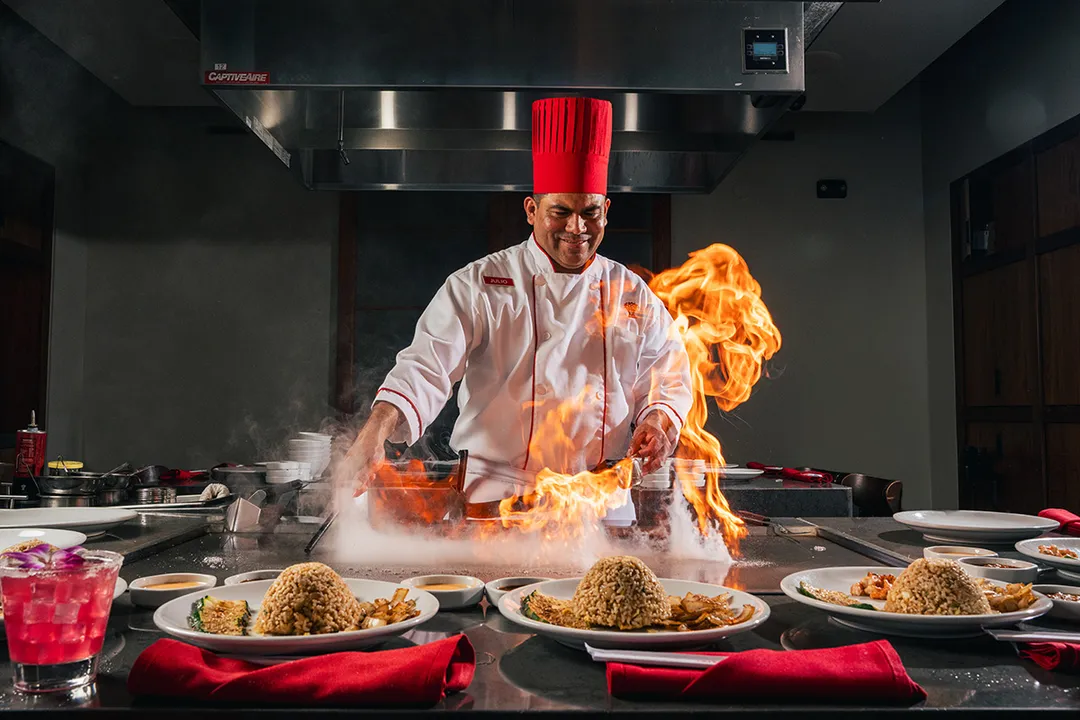
The experience of sitting down at a lively restaurant, watching a chef expertly prepare shrimp, chicken, and vegetables on a large, flat iron surface right before your eyes, is undeniably entertaining. Yet, for many diners in the United States, the term hibachi is intrinsically linked to this theatrical, communal cooking style. This immediate association prompts a common question: is the American "hibachi" experience truly authentic to Japanese culinary tradition? The short answer often involves untangling a web of history, linguistic adaptation, and clever marketing that has significantly altered the meaning of the term on this side of the Pacific.
# Traditional Fire Vessel
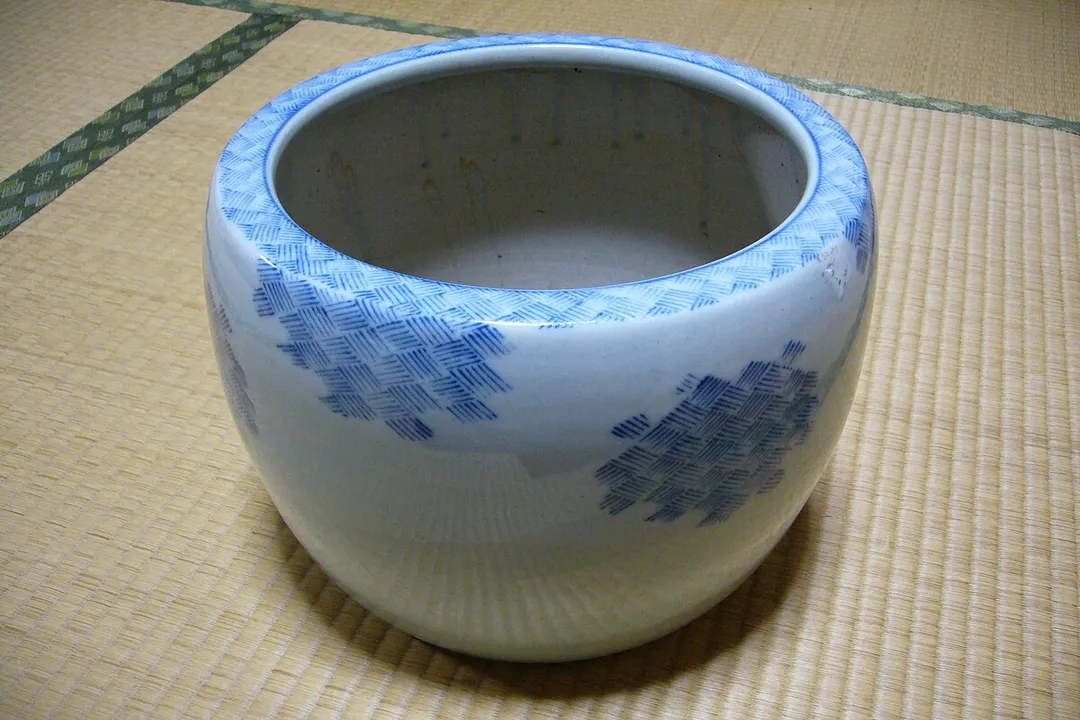
To understand the deviation, we must first look at the original Japanese meaning. In Japan, hibachi (literally meaning "fire bowl") refers to a traditional, small, portable heating device. [6][5] This device is essentially a small, open-topped container, often made of wood or ceramic, designed to hold burning charcoal. [6][5] Its primary purpose was historically for heating a room or providing a localized heat source, much like a brazier. [6] These traditional hibachi are not cooking appliances in the way they are presented in American steakhouse chains. [5][7] When cooking is done using a similar concept in Japan, it might involve a small grill that sits over the charcoal, but the device itself remains distinct from the large cooking surface associated with the American concept. [5] Some traditional Japanese cooking yakitori (skewered chicken) or kushiyaki (skewered items) might use small charcoal braziers, but again, the cooking surface is typically a grate placed over the heat source, not a solid steel griddle. [5][7]
# Surface Cooking Styles

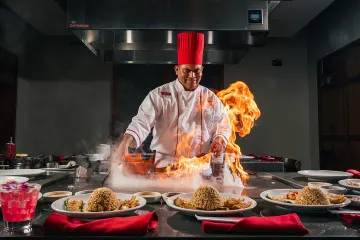
The cooking style most commonly mistaken for authentic hibachi in the West actually bears a much closer resemblance to teppanyaki. [4][7] Teppanyaki translates to "grilling on an iron plate," with teppan meaning iron plate and yaki meaning grilled, broiled, or pan-fried. [4][7] This method involves cooking food directly on a thick, flat iron griddle, which is heated from underneath—often using gas burners in modern settings. [4] This is the style where chefs often perform tricks with salt shakers or knives. [2] Authentic teppanyaki restaurants in Japan focus on cooking fresh ingredients, like high-quality Kobe beef or seafood, right on that hot plate. [4][7]
The distinction between these methods is significant in terms of heat transfer and resulting texture. A traditional hibachi, if adapted for cooking, might involve an open flame or glowing charcoal, which cooks via radiant heat and smoke, imparting a distinct char or smokiness. [5] In contrast, teppanyaki cooking relies on direct conductive heat from the solid metal plate, which requires a layer of oil or fat to prevent sticking and achieve a specific sear. [4]
# American Evolution

The concept that migrated to the United States and became known as "hibachi" is largely an Americanized creation, deeply influenced by mid-20th-century culinary trends and immigration patterns. [2][3] While some sources suggest the concept was influenced by early Japanese immigrants, particularly those in Hawaii who might have adapted cooking styles, the widespread popularity in the mainland US is often pinpointed to the 1960s. [3][4][7] Restaurateurs like Rocky Aoki, the founder of Benihana, are credited with popularizing the teppanyaki style of cooking in America, often branding it under the more accessible, though technically incorrect, term hibachi. [3][4]
The success of these early American-style restaurants hinged on creating an engaging dining event. [3] The focus shifted from purely the flavor profile to the interactive performance—the flipping of shrimp tails into hats, the onion volcano, and the quick chopping of ingredients. [1][2] This entertainment factor, combined with serving generous portions of rice, vegetables, and steak, appealed strongly to American diners. [1][3] This adaptation effectively combined the teppan cooking style with a specific brand of dinner theater that resonated well in the American marketplace. [4]
The terminology shift is a fascinating case study in cultural marketing. It appears that "hibachi," being a simpler, perhaps more exotic-sounding word, was adopted by early pioneers of the style, even though the cooking apparatus and method were functionally teppanyaki. [4] This created a lasting misnomer where the public now equates the entertainment-focused flat-top grilling with the name hibachi.
# Culinary Divergence
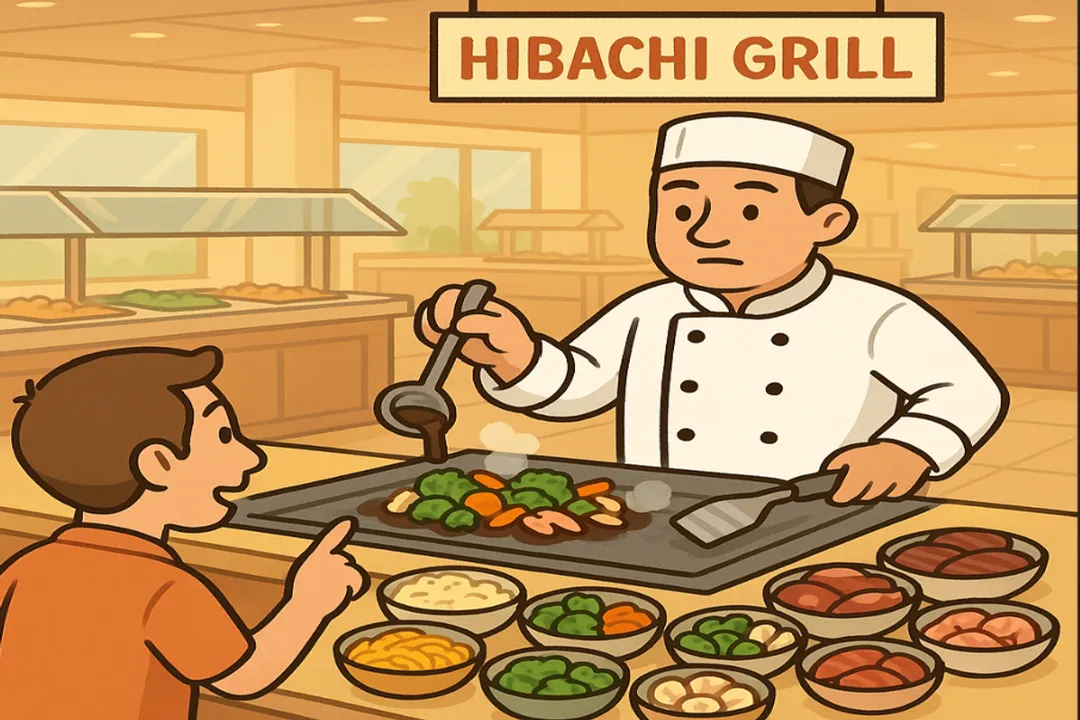
The food served at a typical American hibachi steakhouse differs markedly from small, traditional Japanese grilling or even authentic teppanyaki establishments in Japan. [7]
Consider the ingredients and preparation:
- American "Hibachi" (Teppanyaki Style): Food is cooked on a large, flat steel surface. [4] Ingredients are often cooked together, sometimes doused in sauces or cooked with large amounts of oil and butter. [7] The emphasis is often on the flavor imparted by the cooking oil and accompanying dipping sauces, such as mustard or white ginger sauce. [7][8] The sheer volume of rice, often fried with soy sauce and egg, is also a hallmark of the American adaptation. [1]
- Traditional Japanese Cooking: When actual hibachi (charcoal braziers) are used for cooking, the focus is often on yakitori or robatayaki (fireside cooking). [5][7] These methods emphasize the natural flavor of high-quality, simply seasoned ingredients, letting the charcoal smoke and intense heat define the taste, rather than heavy sauces or oils. [5] Even in authentic teppanyaki, the goal is often to showcase the quality of the main ingredient, using minimal seasoning to highlight its inherent taste. [7]
The portions are another area of contrast. American steakhouse culture favors large portions, which is reflected in the heaping servings of fried rice and main courses seen at hibachi tables. [1] Traditional Japanese meals tend to feature smaller, more varied plates where the balance of flavors and textures across the entire meal is paramount. [7]
# Seeking Authenticity
For a diner looking for a taste closer to the traditional Japanese grilling arts, knowing what to ask for or look for is helpful. [5] If the cooking is happening on a large, flat, solid steel surface with the chef performing tricks, you are experiencing American-style teppanyaki, which is an authentic style of cooking, just mislabeled as hibachi. [4][7]
If one seeks the genuine charcoal experience, one might need to look for restaurants specializing in robatayaki or yakitori. [5][7]
| Feature | American "Hibachi" (Teppanyaki Style) | Traditional Japanese Hibachi | Authentic Japanese Teppanyaki |
|---|---|---|---|
| Appliance | Large, flat, built-in iron griddle (teppan) [4] | Small, portable charcoal brazier/bowl [6][5] | Large, flat iron griddle (teppan) [4] |
| Heat Source | Gas or electricity under the plate [4] | Burning charcoal [5][6] | Gas or electricity under the plate [4] |
| Cooking Focus | Showmanship, large portions, rich sauces [1][3] | Simple grilling, often skewered items (yakitori) [5] | Showcasing ingredient quality, precise searing [7] |
| Authenticity Level | A unique American culinary adaptation [2] | True Japanese heating vessel [6] | Authentic Japanese flat-top grilling [4] |
Note: This comparison summarizes the distinctions commonly drawn between the various concepts found in the source material [4][5][7].
If you are at a restaurant and want to gauge the level of authenticity, try observing the prep work. Does the chef primarily use seasonings that are tossed directly onto the hot metal, or are they using pre-mixed batters and heavy glazes? The latter is much more characteristic of the popular American format. [7] Furthermore, the sheer quantity of butter or oil used often indicates a move away from the Japanese preference for allowing the natural quality of the protein or vegetable to shine. [5]
# The Rise of Fusion Dining
The history of how this style became entrenched in the US is a story of cultural fusion itself. [3] Post-World War II, there was a growing curiosity about Japanese culture in America. Restaurants that introduced the theatrical element capitalized on this interest. [3] The Hawaiian influence on this transition is also noteworthy, as many early establishments drew inspiration from the Japanese communities and culinary adaptations present in Hawaii, which provided a unique bridge between the US mainland and traditional Japanese cuisine. [7]
This blending created a dining niche: it offered the excitement of watching your meal prepared live, something akin to a performance, while delivering familiar, comforting flavors presented in large servings. [1][3] This hybridization is what makes the American hibachi experience a legitimate, popular form of dining, even if its name is technically a misnomer when compared to its Japanese roots. [2] It’s less an authentic Japanese dish and more an authentic American Japanese Steakhouse dish.
# Mastering the Plate
Even within the framework of the American hibachi experience, diners can sometimes find ways to nudge the meal closer to a preferred style, focusing on technique rather than just the label. [8] For instance, if you prefer less oil or a cleaner flavor, you can often request that your food be cooked separately from the main stir-fry elements or ask the chef to use less cooking oil on the teppan surface. [8] This requires clear communication, but chefs accustomed to the performance often accommodate specific requests when the rush is manageable. [8]
Another small adjustment relates to the rice. While the heavily soy-sauced, buttery fried rice is a staple, requesting the rice be cooked with very little to no soy sauce, or asking for steamed white rice instead, can significantly lighten the meal and allow the flavor of the grilled meat or seafood to stand out more distinctly, echoing the simplicity valued in other traditional Japanese cooking methods. [5][7] This subtle request shifts the balance back slightly towards the ingredient itself, providing a small nod to traditional restraint amid the spectacle. [7]
Ultimately, recognizing the difference between the traditional hibachi heating bowl, the teppanyaki flat-top grilling, and the American hibachi steakhouse experience allows diners to appreciate each for what it is. One is a piece of Japanese cultural history, one is a specific, high-heat Japanese cooking technique, and the third is a beloved, entertaining, and flavor-forward American innovation built upon that technique. [2][4] The American version is authentic to its own history—a successful cultural translation—even if it is not an authentic reflection of the portable charcoal burner from which it borrowed its name. [3]
Related Questions
#Citations
TIL that in America, Japanese "Hibachi" steakhouses actually use ...
Is Hibachi authentic Japanese or an Americanized thing? - Quora
History of Japanese Hibachi & Popularity in America
Hibachi vs Teppanyaki: What's the Difference? - Benihana
What Is Hibachi? A Guide to Japanese Grills and BBQ Culture
Hibachi - Wikipedia
Teppanyaki vs. American Hawaiian Hibachi Style
What is Hibachi: A Culinary Journey Traditional Japanese Roots
Chinese Hibachi vs Japanese Hibachi (Teppanyaki)