Is hibachi actually done in Japan?
The cooking style most North Americans associate with the word "hibachi"—the dramatic, tableside preparation of steak, shrimp, and vegetables atop a large, flat iron griddle, often involving flaming onion volcanoes—is generally not what you will find being performed daily in restaurants across Japan. The simple answer to whether hibachi is done in Japan is complicated by a case of mistaken identity spanning decades and continents. What the West celebrates as the "hibachi steakhouse experience" is, more accurately described by its cooking method, teppanyaki.
The term hibachi itself has a much older, smaller, and fundamentally different meaning within Japanese culinary tradition. To understand why this confusion exists, one must look at the original equipment and how it traveled and morphed in an American setting.
# Real Grills
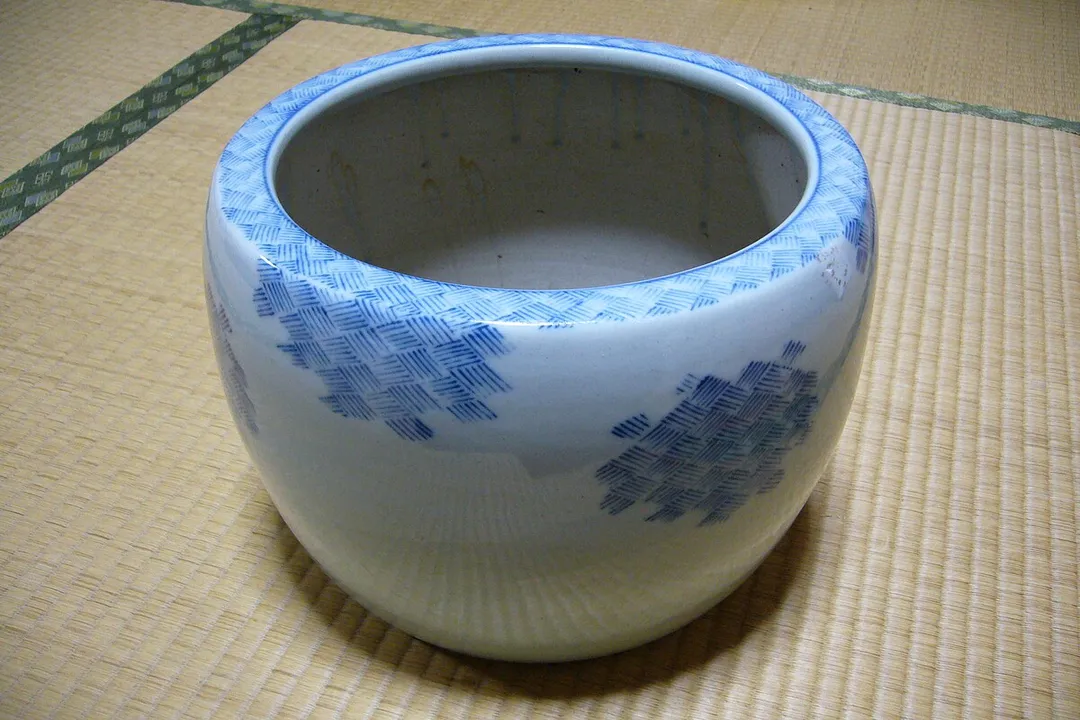
A genuine hibachi (火鉢) translates literally to "fire bowl". Historically, in Japan, this refers to a traditional, portable brazier or small grill, usually made of ceramic or cast iron, designed to hold hot charcoal for heating a room or for very small-scale cooking. They are small, often decorative, and utilize charcoal as the heat source.
When used for cooking, the true hibachi is far more modest than its namesake counterpart in American steakhouses. It is typically used for grilling small portions of food, like skewered meats or vegetables, often over a bed of glowing charcoal. This process allows the food to absorb a subtle, smoky char that is characteristic of charcoal grilling. Think of it as the Japanese equivalent of a small, personal charcoal kettle grill, not a large, communal cooking surface.
It is essential to recognize this functional difference. Because the heat comes from charcoal underneath a grate, the cooking is indirect in many ways, allowing for smoke infusion, which is distinctly different from the direct, conductive searing achieved on a flat metal plate.
# Iron Surface Cooking
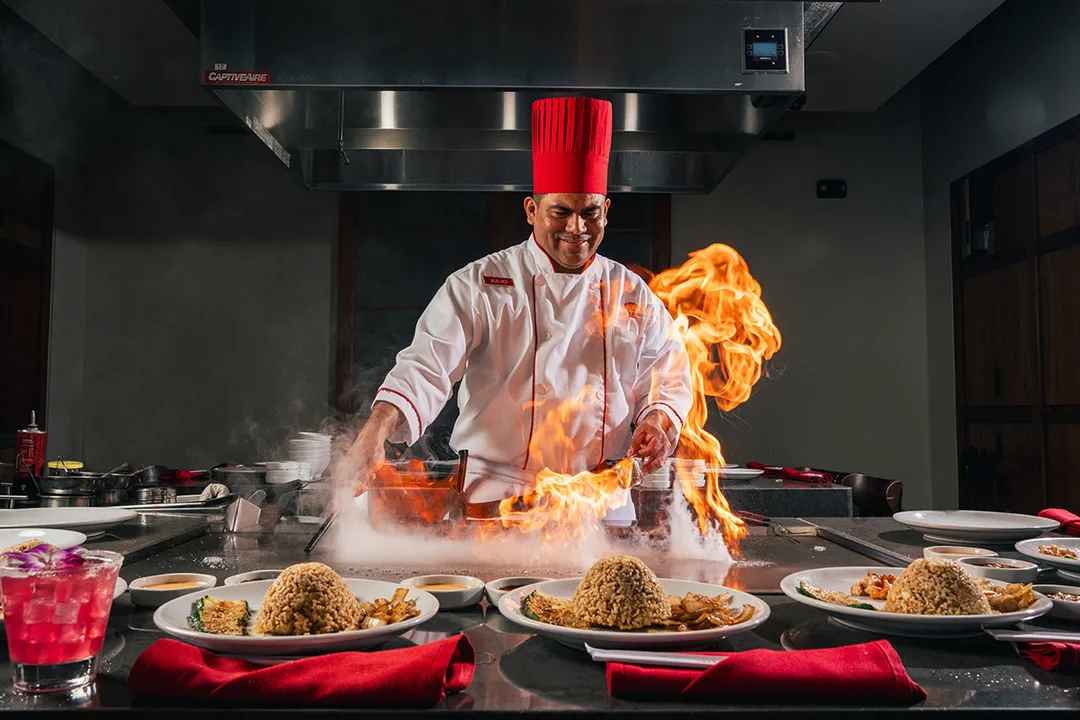
The theatrical style of cooking that the West calls hibachi actually employs a teppan (鉄板), which means "iron plate". The correct term for the method used in those chain restaurants is teppanyaki (鉄板焼き), meaning "grilling on an iron plate".
In a teppanyaki setting, a thick slab of iron is heated directly, and the chef cooks the ingredients right on top of it. This method provides intense, direct heat transfer, allowing the chef to achieve quick searing and precise temperature control for different items simultaneously on the same surface. The emphasis here is less on smoke flavor and more on the texture and caramelization achieved through direct contact with the hot metal.
The rise of teppanyaki as a public spectacle seems to have gained traction in Japan starting in the mid-20th century, often associated with Kobe beef establishments. However, it remains a distinct category from the small, charcoal-fired hibachi brazier.
# The Show Starts
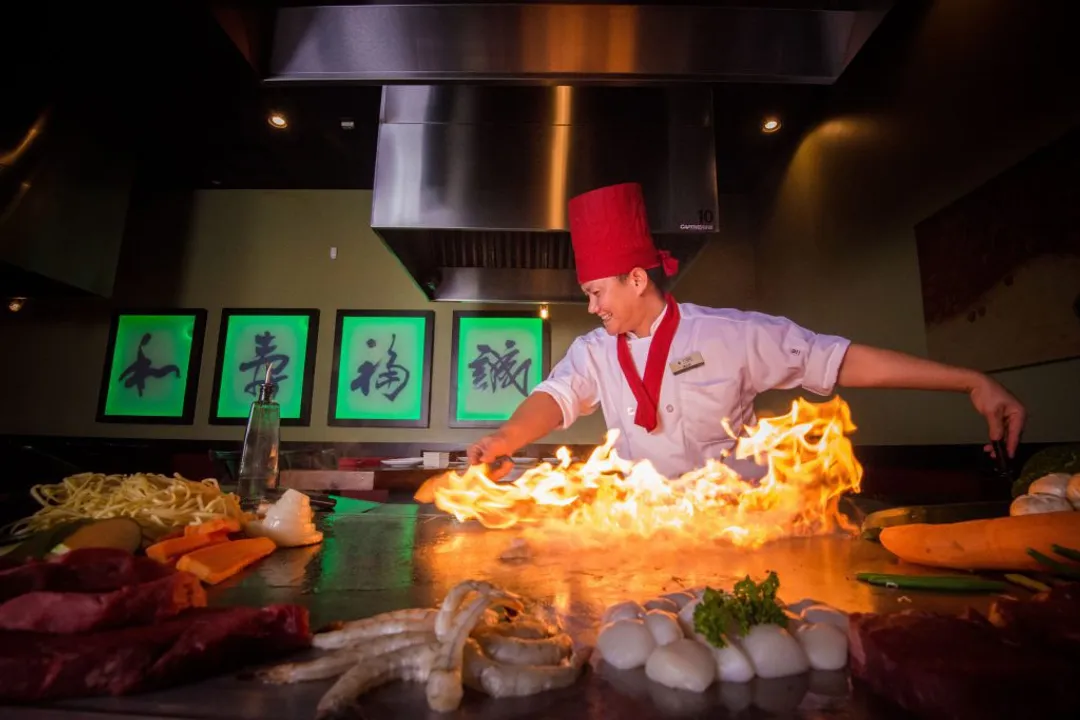
The widespread adoption and renaming of teppanyaki cooking in the United States can be heavily credited to specific restaurateurs and cultural exchange in the mid-20th century. For instance, the establishment of Benihana in New York City in 1964 played a significant role in popularizing this dining experience for American audiences.
When this style of cooking was brought to the US, the term hibachi—a shorter, perhaps more exotic-sounding word—was frequently applied to the performance cooking on the teppan grill. This created a durable cultural association where "hibachi" meant the large grill and the chef's performance, even though the equipment and cooking style were technically teppanyaki.
This culinary evolution wasn't just a linguistic slip; it was an adaptation designed for the American dining expectation. The Americanized version integrates entertainment—the knife tricks, the fire tricks, the rapid-fire banter—directly into the meal preparation. While Japanese chefs are certainly skilled, the level of over-the-top showmanship associated with the US steakhouse is often considered an American addition to the teppanyaki tradition.
# In Japan Now
So, if you walk into a restaurant in Tokyo or Osaka expecting the exact experience you get in a city like Las Vegas or Houston, you might be surprised.
If you are looking for the teppanyaki experience—the flat-top grill with the chef performing right in front of you—that does exist in Japan. You will find excellent teppanyaki establishments, particularly those specializing in high-quality beef or seafood, where the focus is on masterful cooking and the quality of ingredients. These places might involve a chef preparing food in front of seated patrons, but the flamboyant, high-volume theatrics are usually scaled back in favor of refined technique. The experience is generally more subdued and focused purely on the culinary execution.
If you ask for a hibachi restaurant in Japan, you are far more likely to be directed toward a place that serves food grilled over charcoal, perhaps yakitori stands or small eateries featuring traditional tabletop charcoal grills. These are very different environments, often featuring much smaller portions and different menu items than the US "hibachi" repertoire of shrimp, chicken, and fried rice.
One way to look at this is through the lens of context. The American establishment blends cooking with dinner theater; the traditional Japanese hibachi is about intimate, smokey flavor at home or in a very small eatery. The Japanese teppanyaki is about focused, high-heat searing performance in a dedicated restaurant setting.
# Distinction Summary
To clarify the persistent confusion, it helps to draw a sharp line between the three related concepts:
| Feature | Real Hibachi (Japan) | Teppanyaki (Japan/Global) | American "Hibachi" |
|---|---|---|---|
| Equipment | Small, portable brazier/grill | Large, flat iron griddle (teppan) | Large, flat iron griddle (teppan) |
| Heat Source | Charcoal | Gas or electric element beneath the plate | Gas or electric element beneath the plate |
| Primary Flavor | Smokey, charred | Seared, rich crust, distinct searing | Seared, often with added sauces/garlic butter |
| Atmosphere | Home heating/small cooking | Restaurant dining, often chef-focused | Dinner theater, high entertainment value |
The core confusion stems from the fact that the performance aspect of the American version draws diners in, yet the name used for that performance—hibachi—actually refers to the equipment that produces the least similar result.
When evaluating the difference in the final product, consider the heat. A charcoal fire imparts volatile aromatic compounds as fat drips onto the embers, creating smoke that adheres to the food—this is hibachi flavor. Conversely, the teppan heats the metal directly; any flavor change comes from the Maillard reaction on the flat surface, often enhanced by the butter or oil the chef uses as a cooking medium. The result is texture and sear versus smokiness.
This difference in heating mechanics translates directly to the diner's experience. A diner expecting the flavor of charcoal grilling from their "hibachi" meal will actually receive a seared, flat-top flavor, which is why some purists note the taste doesn't align with traditional Japanese outdoor grilling.
# Dining Insights
For travelers heading to Japan, understanding this distinction can guide your dining choices. If you are seeking the performance art, look specifically for teppanyaki restaurants. If you are interested in authentic, small-scale Japanese charcoal grilling, ask locals for suggestions on yakitori places or shops that feature shichirin (a smaller, tabletop version of a charcoal grill) rather than asking for hibachi in the American sense.
Furthermore, the etiquette surrounding the cooking style differs significantly. In the US, the entire table is focused on the chef's performance for entertainment value. In a traditional Japanese setting, whether it's teppanyaki or a home charcoal grill, the focus remains highly centered on appreciating the inherent quality of the ingredient being cooked, with any interaction being secondary to the food itself. The expectation of continuous banter and spectacle is heavily weighted toward the American presentation of the cuisine. Observing this subtle shift in focus—from chef-as-entertainer to chef-as-craftsman—is perhaps the most insightful part of comparing the two dining philosophies.
In essence, while the name hibachi has become globally associated with the high-energy, flat-top grilling performance, that specific performance is a distinct teppanyaki style adapted overseas. The true hibachi endures in Japan as a quiet testament to traditional, charcoal-based cooking methods, waiting patiently for those who know to look for the small fire bowl rather than the big iron plate.
Related Questions
#Citations
Do Hibachi chefs in restaurants in Japan do the same act as ... - Reddit
Is Hibachi As We Know It Authentically Japanese? - Bokksu
History of Japanese Hibachi & Popularity in America
Hibachi - Wikipedia
Is Hibachi authentic Japanese or an Americanized thing? - Quora
How Hibachi Became an American Favorite
Hibachi vs. Teppanyaki: What's the Difference?
Hibachi vs Teppanyaki: What's the Difference? - Benihana
History of Hibachi | Voted #1 Japanese Restaurant