How does the heat source for a genuine *hibachi* fundamentally differ from the equipment used for *teppanyaki* in restaurants?
Answer
Hibachi uses charcoal, while teppanyaki uses a gas or electric element beneath the plate.
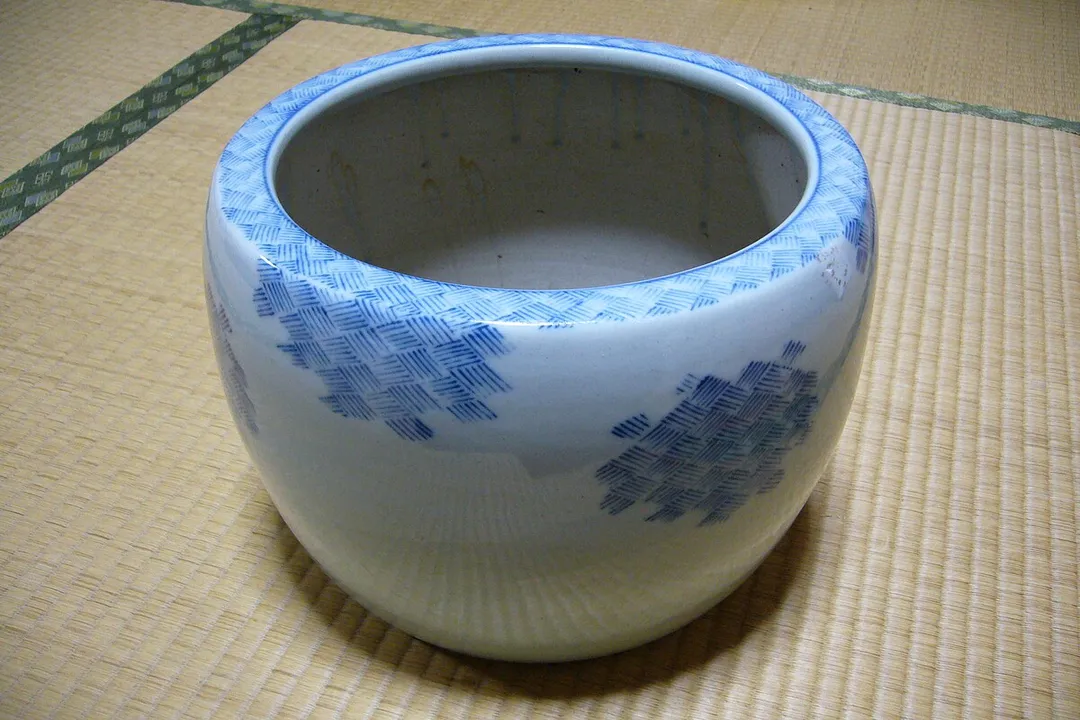
The crucial difference in heating mechanics lies in the fuel source. A genuine *hibachi* relies exclusively on charcoal as its heat source, which allows for indirect heat transfer and the infusion of smoky aromatic compounds into the food. Conversely, *teppanyaki* utilizes a large, flat iron plate heated by an underlying gas or electric element. This difference means *hibachi* imparts smoke flavor and subtle char, while *teppanyaki* delivers intense, direct conductive searing, leading to textural differences in the final product.
Related Questions
What is the literal translation of the Japanese term *hibachi* (火鉢)?What cooking method accurately describes the theatrical style the West calls hibachi, utilizing an iron plate?Which specific establishment played a significant role in popularizing the performance cooking style in the United States starting in 1964?What primary flavor characteristic is imparted to food cooked on a genuine Japanese *hibachi*?What fundamental piece of equipment defines a genuine *hibachi* used historically in Japan?In the distinction summary table, what is listed as the equipment for *Teppanyaki* (Japan/Global)?What term, meaning 'iron plate,' is the foundation for the cooking surface used in *teppanyaki*?How does the heat source for a genuine *hibachi* fundamentally differ from the equipment used for *teppanyaki* in restaurants?When traveling in Japan, what specific dining option should one seek if interested in the authentic, small-scale charcoal grilling experience associated with *hibachi*?What element of the Americanized 'hibachi steakhouse experience' is often considered an American addition to the *teppanyaki* tradition?