What is local food?

The very notion of "local food" seems simple on the surface—it's food grown nearby—but upon closer inspection, the definition shifts, bending with geography, policy, and consumer perception. [2][5] Generally, it describes food produced within a relatively short distance from where it is eaten, often operating outside the large-scale, globalized supermarket supply chain. [2] For some, being "local" means food grown within a 100-mile radius. [1][7] Others adopt broader interpretations, suggesting food grown within the same state or region qualifies. [2][7] For instance, some definitions, like that found in the 2008 American Food, Conservation, and Energy Act, allow for transportation up to 400 miles or simply within the producing state. [2] However, in densely populated areas like New York City, "local" might be constrained to a single neighborhood, while in Alaska, a couple of hundred miles might be considered local due to population distribution and agricultural realities. [5]
The term also encompasses more than just mileage; it touches upon the social and supply chain characteristics of the food. [2] This means local food systems often involve a direct relationship or intermediate marketing between the producer and the consumer, rather than passing through numerous processors, suppliers, and marketers. [1][8] The Northeast Indiana Local Food Network, for example, defines local food as that which is grown, raised, produced, sold, and eaten within their specific 11-county area, emphasizing the system that connects production to consumption within that region. [4]
# Defining Proximity
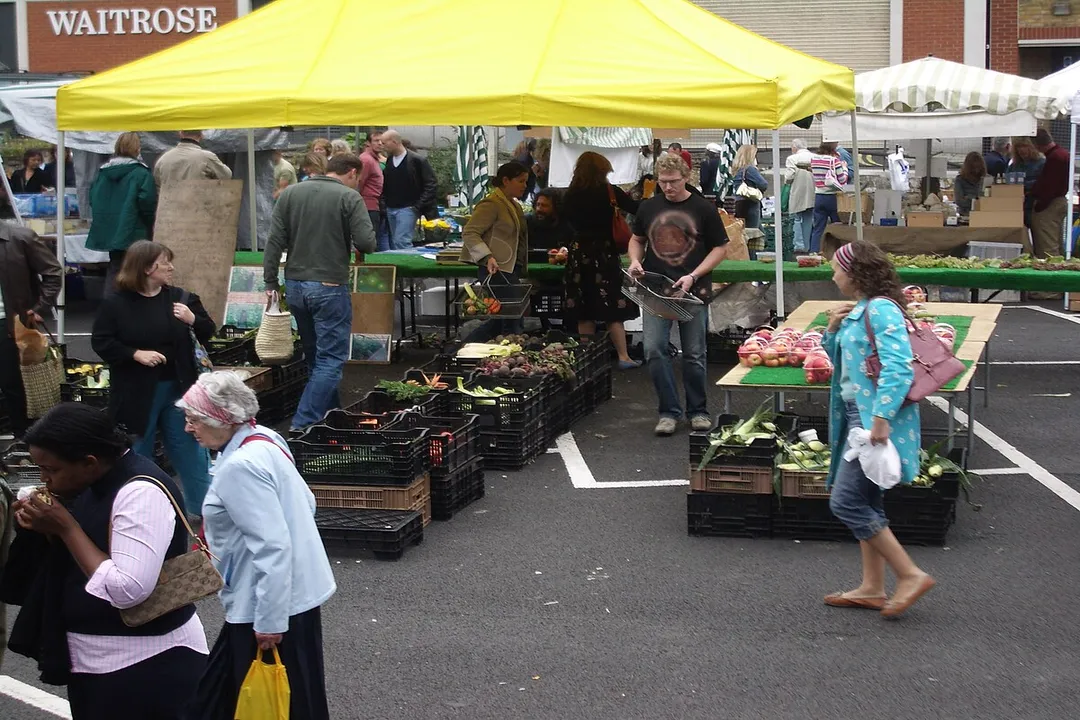
The concept of locality in food sourcing can be viewed through different lenses, creating necessary distinctions for consumers and policymakers alike.
# Geographic Boundaries
The most common understanding relies on physical distance. [2] A 100-mile radius often serves as a popular, though informal, benchmark for a locavore—someone who actively seeks to eat food produced within that sphere. [1][7] This contrasts sharply with the modern mainstream system, where the average food item in the U.S. might travel between 1,200 and 2,480 miles before reaching the kitchen. [1]
# Statutory Limits
Legislative bodies have attempted to formalize the term, though definitions vary by jurisdiction. [5] The federal standard provided in the 2008 Farm Act offers a flexible range: less than 400 miles from the origin or simply within the same state. [2] States often adopt their own standards, frequently using "local" or "native" in procurement policies to mean food produced within state lines. [2] This variation means a product labeled "local" in one state might not qualify under another's guidelines, which is a significant point of ambiguity for consumers. [5]
# Ecological Framing
Beyond political lines or miles, some definitions look at the concept ecologically, utilizing the idea of a "foodshed". [2] A foodshed, much like a watershed, is defined by the ecological unit of climate, soil, and local agrisystems, tracking where food originates and where it ultimately goes. [2] This perspective suggests that true locality is about fitting into a specific regional ecology. [2]
# Access Points
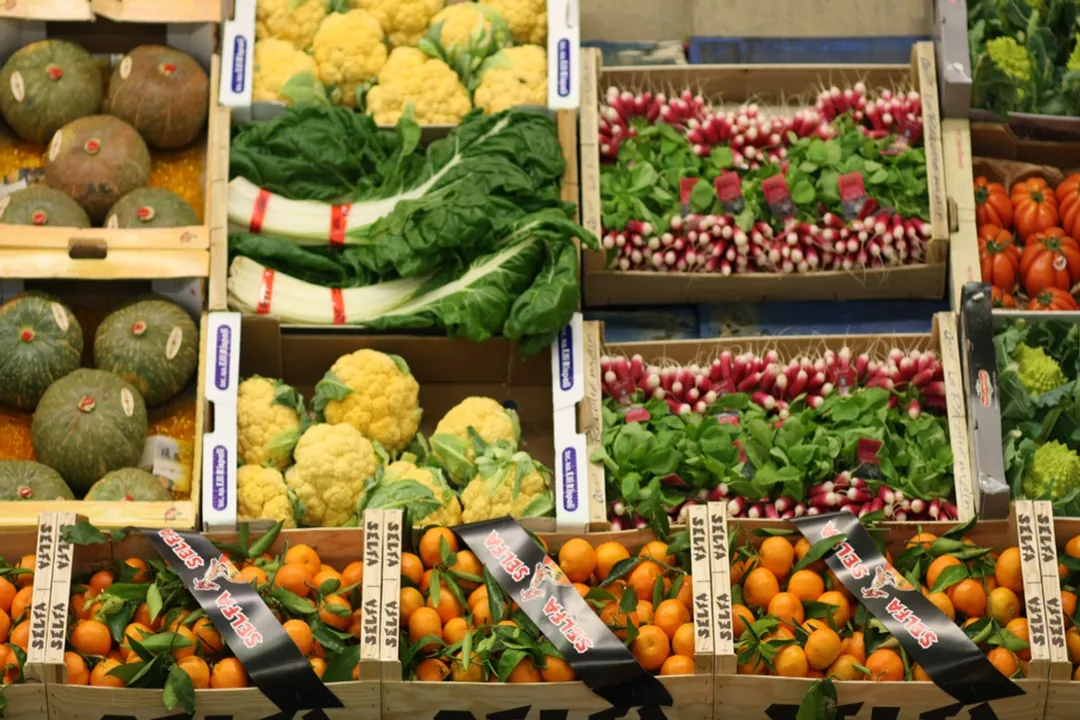
How consumers interact with local food systems dictates the structure of the purchase. These systems generally facilitate access in two primary ways: direct marketing or intermediated sales through local businesses. [5][8]
# Direct Marketing
This is the cornerstone of many local food initiatives, characterized by the fewest intermediaries between the farmer and the eater. [5][7]
- Farmers' Markets: These venues allow producers to sell directly to the public. [3][5] They also serve as community hubs; shoppers at farmers' markets report significantly higher rates of interaction with fellow shoppers and farmers compared to traditional grocery stores. [2]
- Community Supported Agriculture (CSA): Consumers buy a "share" of a farm's anticipated harvest, receiving regular boxes of produce. [5][8] This model requires commitment from the buyer, who must have a plan for using and storing the often substantial amounts of food received. [1]
- Farm Stands and Pick-Your-Own: These options offer consumers the ability to visit the farm property directly to buy or harvest their food. [5]
# Intermediated Sales
Local food is increasingly making its way into mainstream retail, suggesting the supply chain is adapting. [5]
- Retailers and Restaurants: Grocery chains, even large ones, are dedicating sections to locally grown products. [2][5] Similarly, restaurants increasingly feature "locally sourced" items on menus, which the National Restaurant Association noted as a top culinary trend in 2009. [5]
- Food Hubs: These distributors act as facilitators, aggregating products from multiple small producers so they can supply larger entities like restaurants or institutions more efficiently. [8]
- Institutional Purchasing: Local, state, or federal entities, including schools (through farm-to-school programs), hospitals, and government bodies, are actively seeking locally sourced food. [5]
If one's goal is truly to support the nearest producer, knowing the difference between a product explicitly labeled "local" and one branded with a locality name (like "Utah's Own") is important; the latter often source nationally or internationally, despite the local branding. [7] A simple, actionable step for any shopper is to develop a personal "cheat sheet" listing favorite local resources—CSAs, farms, markets, and restaurants that prioritize local sourcing—and keep it handy for shopping reference. [1]
# Motivations for Support
The enthusiasm behind the local food movement stems from a mix of personal, community, and planetary concerns. [2][7]
# Taste and Health
A primary driver for many consumers is the perceived superior quality of the food itself. [7] Local food is often harvested when it is perfectly ripe, allowing it to develop maximum flavor, unlike out-of-season produce shipped long distances, which must often be picked prematurely and may require chemical assistance to ripen. [1] Food harvested at its peak is also often more nutritious, as nutrient content can degrade during prolonged transport. [1] Furthermore, direct purchasing allows consumers to inquire about growing methods, such as the use of pesticides or hormones, fostering a higher degree of confidence in what they are eating. [2][7] The ultimate local action—growing one's own food—is associated with increased physical activity and greater fruit and vegetable consumption. [7]
# Economic Impact
Supporting local agriculture keeps money circulating within the community's economy. [5][7] When food travels far, a significant portion of the food dollar goes to processors, shippers, and marketers, with farmers retaining a smaller share—sometimes as little as 3.5 cents of every dollar spent. [1] By purchasing directly, farmers retain a greater portion of the value-added costs, which helps sustain small farms and maintain rural community vitality. [7] This economic support translates directly into job creation in local production, processing, and distribution sectors. [5] Interestingly, while proponents often assume local food is cheaper, studies have shown that small-scale operations using specialized methods (like organic farming) might result in a higher consumer price than conventionally grown alternatives. [5]
# Environmental Stewardship
One of the frequently cited, yet most debated, benefits of local food is its reduced environmental footprint, primarily tied to "food miles". [2][6] The logic suggests that shorter transport distances reduce fossil fuel use, air pollution, and greenhouse gas emissions. [7] Local systems can also make it easier to trace resource flows and recycle nutrients within a specific area, and support local biodiversity and open landscapes. [2][5]
However, this is where complexity enters the discussion. While reduced transport emissions exist, academic research often cautions that the emissions from production far outweigh those from transportation. [2][6] One study noted that food miles might account for nearly 20% of total food-system emissions, an estimate that is higher than previously thought, suggesting their impact is not negligible. [2][6] Yet, the consensus remains that what food is eaten—such as shifting toward plant-based diets—is generally a far more effective strategy for reducing overall climate impact than simply focusing on food miles. [2][6] For example, one analysis suggested that a shift in diet could reduce a household's food-related climate footprint more effectively than simply "buying local". [2]
# Systemic Differences
Local food systems are not monolithic; they represent a spectrum of approaches that have differing outcomes, a fact often overlooked when comparing them broadly to the global model. [6]
# Local vs. Locality
It is critical to distinguish between food that is local and food that is merely branded with a locality name. [7] A product may carry a regional brand, indicating it meets certain standards for that area, but still be sourced nationally or internationally. [7] True local engagement often involves farming techniques that differ from large industrial operations, such as using crop rotation, which preserves soil quality and reduces the need for certain pesticides. [2]
# The Role of Scale
The global food system has achieved massive efficiency through technological advances, skyrocketing productivity over the last seventy years. [5] Critics argue that emphasizing small-scale, local production might negatively affect overall production efficiency, echoing historical concerns about subsistence farming. [5] Furthermore, a comparative study noted that a supermarket supply chain sometimes performed better regarding food miles and fuel consumption per pound than some farmers' markets, illustrating that the structure of distribution matters as much as the distance. [2]
This points toward an essential insight: The local food movement is perhaps better understood as a collection of diverse intentions rather than a single, unified standard. One system might prioritize maximum community engagement and equitable access, perhaps through subsidized CSAs, while another might be a high-end, market-driven outlet selling premium goods at a high price point. When researchers lump these differing systems together to evaluate the overall benefits of "local food," the positive impacts (like increased access in one system) can cancel out the negative ones (like higher prices in another), obscuring the real value derived from specific, well-defined local structures. [6]
# Regulatory Landscape
The lack of a single, federally established definition for "local food" has created regulatory complexity. [5] While federal laws apply, most regulation concerning local food—such as zoning for urban agriculture, specific food sampling rules, and liability concerns—occurs at the state or county level. [5] For instance, rules around selling raw milk or handling meat and poultry across state lines are subject to specific, varying state statutes. [5] This regulatory patchwork means that a producer or seller must be acutely aware of local ordinances, especially regarding land use in urban or fringe areas. [5] Furthermore, the ambiguity surrounding the term "local" can lead to false advertising claims if producers are not careful about how they market their goods. [5]

# Building Local Resilience
The health of a local food system involves more than just buying and selling; it involves developing the infrastructure and social capital to maintain it. [4]
# Community Infrastructure
To ensure the system thrives, infrastructure beyond the farm gate is necessary. This includes food hubs and local processors that can handle the volume and specific requirements of smaller producers, connecting them effectively to restaurants and institutions. [8] The rise of Food Policy Councils (FPCs) across regions illustrates a movement to address systemic issues—hunger, land preservation, food security, and marketing—by bringing together stakeholders like farmers, consumers, retailers, and government entities. [5]
# The Societal Payoff
When consumers engage with local food networks, the social benefits are often immediate and palpable. It shifts the relationship from a narrow transaction to one based on trust and shared investment. [6] This closer connection can inspire participants to seek out more sustainable practices overall. [6] Imagine designing a food space—an eco food cafe, for example—where the decor features a map showing the actual farms that supplied the meal, clearly labeling compostable waste and illustrating bike routes for delivery instead of car transport. Such environments use the food itself as a medium for community education, moving beyond simple consumption toward active participation in the local ecosystem.
To maximize the chance that this local preference translates into lasting benefits, rather than just being a temporary trend, there must be interventions to support these systems, as the established market, infrastructure, and rules often favor the global supply chain. [6] Recognizing where tensions exist—for example, the balance between ensuring producers receive a fair price and ensuring the community has wide access to affordable, high-quality food—allows participants to shape resilient solutions based on mutual care, not just market dynamics. [6]
Ultimately, while the academic evidence on whether all local food is inherently better than all global food remains nuanced and subject to evolving research, the direct, tangible benefits to community well-being, producer support, and consumer connection remain a powerful argument for nurturing these place-based food networks. [6]
Related Questions
#Citations
Local food - Wikipedia
What is local food? - Northeast Indiana Local Food Network
The Local Food Movement: Definitions, Benefits & Resources | USU
What is 'local' food and why does it matter? - Sustainable Food Trust
All About Local Food - Precision Nutrition
Local Food Systems Overview - National Agricultural Law Center
Eating Local - NEXT.cc
What is a Local Food System? — NCLFC