What temperature can a pressure cooker reach, threatening water-soluble vitamins?
Answer
Around 250°F (or 121°C)
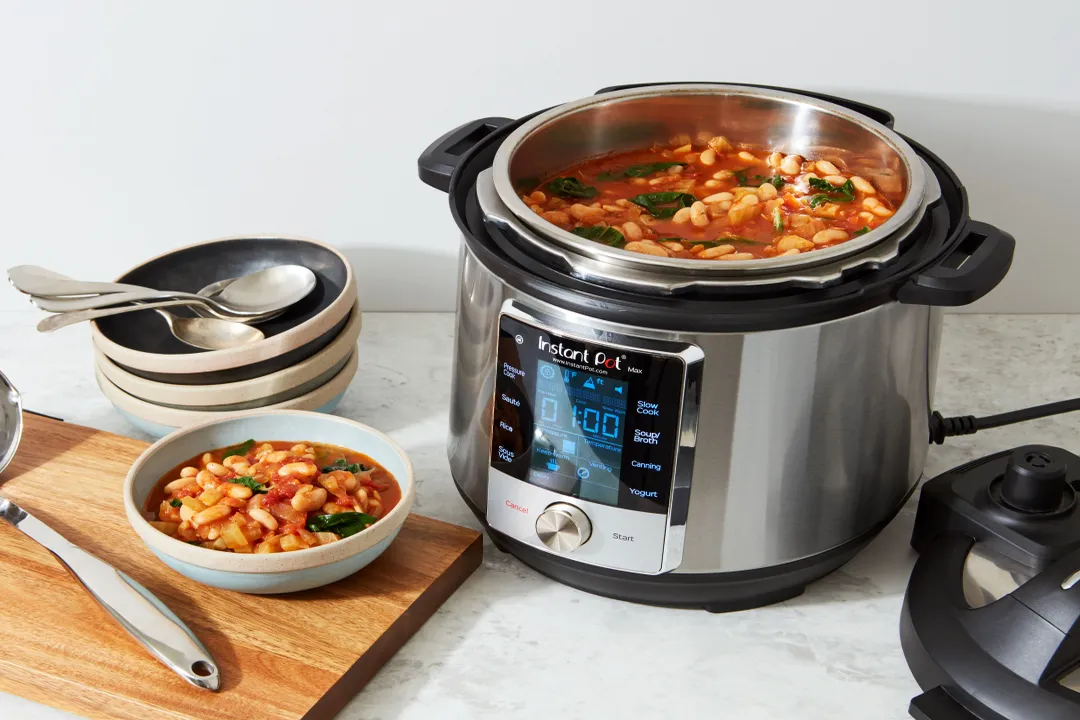
The interior environment of a functional pressure cooker achieves significantly higher temperatures than standard atmospheric boiling. While regular boiling occurs at 212°F (100°C) at sea level, the increased pressure inside the vessel elevates the boiling point, allowing temperatures to reach approximately 250°F (121°C). This elevated heat is a dual threat to delicate micronutrients; it directly causes the thermal destruction of heat-sensitive compounds like Vitamin C and various B vitamins, and when food is submerged, it accelerates the leaching of these same water-soluble compounds into the surrounding liquid.
#Videos
Is your Pressure Cooker Destroying Nutrients? - YouTube
Related Questions
What temperature can a pressure cooker reach, threatening water-soluble vitamins?Which cooking method retained the highest levels of cancer-fighting glucosinolates in greens?Why is a pressure cooker unsuitable for achieving a crisp, seared exterior via the Maillard reaction?How does the rapid denaturation of delicate proteins, like those in fish, affect the texture in a pressure cooker?What practical control is completely lost once a pressure cooker is sealed and pressurized mid-cycle?For thick recipes like chili or porridge, which pressure release method is necessary to prevent explosive rupture?When cooking expanding foods like grains or legumes, what is the critical maximum fill line?What hybrid approach mitigates the flavor development gap after pressure cooking?What methodological flaw in one comparison study likely caused artificial leaching of folates and Vitamin C?If vegetables are cooked submerged, what is the primary detractor causing loss of water-soluble compounds?